Kunstniku elulugu
Paul Cézanne: Kujude ja värvide revolutsioon
Paul Cézanne, sündinud 1839. aastal Aix-en-Provence'is, Prantsusmaal, on üks olulisemaid tegelasi kunstiajaloos, kes sillutas vahet impressionismi kiirelt muutuvate muljete vahel ja kubismi fragmentaarse vormi poole. Tema tee ei olnud kohene edu; pigem oli see kunstilise uurimistöö aeglane arenemine, märgistatud enesehätta perioodidega ja kriitiliste tagasilöökidega, mis lõppesid pärandiga, mis muutis pöördeliselt kaasaegset kunsti. Sündinud jõuka perekonna – tema isa algul mütsimeister, hiljem pankur – lapsena nautis Cézanne haruldusega finantsilist kindlust, mis võimaldas tal pühenduda oma kirgule ilma kohese ärisuhtsest tuleneva surveta. Kuigi tema isa esialgu soovitas talle õigusteaduslikku karjääri, osutus kunstilise väljenduse tõmme liiga tugevaks ning ta loobus õigusõppest, et pühenduda maalimisega tegelemisele – otsus, mis määras tema elu. Varased mõjud hõlmasid romantismi, mis valitses tema noorusajas, ja Barbizon kooli maastikukunstile pühendumist, kuid just kohtumised kunstnike Paul Gaugenini ja Georges Seurati ning nende innovaatsete värvi- ja vormilähenemistega alustas Cézanne oma eripärase tee rajamist.
Varjust struktuurini: stiili arenemine
Cézanne'i varajased tööd kajastasid sageli romantilise maalikorraldusega seotud dramaatilisi ja emotsionaalselt laetud teemasid – tema lõuandid domineerisid tumedad paletid ja väljendusrõngad. Kuid see algusaeg oli vaid samm edasi palju analüütilisema ja murrangulisema lähenemisviisi suunas. Impressioonistide poolt eelistatud kiirelt muutuvate valguse muljete jäädvastamisest rahulolematuna asus Cézanne otsima aluseks olevate objektide struktuuri mõistmist ja esitamine. Ta püüdis mitte ainult seda, mida ta nägi, vaid ka seda, kuidas ta tajus reaalsust moodustavaid põhivorme. See viis tema looduslike kujude lagundamiseni nende geomeetrilisteks ekvivalentideks – koonused, silindrid ja sfäärid –, eelnenud kubismi revolutsioonile aastakümneid varem. Tema tehnika iseloomustas väikesed, korrata-korrata värviprõõmad, mis hoolikalt kihverti moodustavad keerulisi värvi- ja tekstuurivälju, luues kindluse ja sügavuse tunde, mida maalil varem nähtud pole olnud. Ta ei huvitunud illusiooniruumi loomisega; pigem esitas ta sageli objekte mitmest vaatenurgast korraga, väljakutsetes traditsioonilistele perspektiiviideedele ja sundides vaatajat aktiivselt oma kompositsiooni konstruktiivse iseloomuga suhtlema. See teadlik moonutus ei olnud juhuslik, vaid katse edastada täielikuma arusaamise vormist, esindades mitte ainult ühte hetke ajas, vaid tajude süntesi.
Maastikud, stilleivid ja inimkuju: peamised tööd ja korduvad motiivid
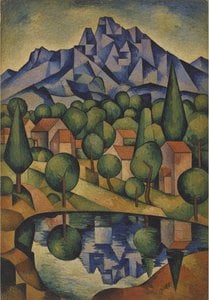
Cézanne'i looming on märkimisväärselt mitmekesine, hõlmates maastikke, stilleiweid, portreede ja ujujate kujutusi, kuid kõiki ühendab tema ainulaadne vormi- ja värvilahendus. Pond at Jas de Bouffan (1880) illustreerib tema maalikunsti, näidates tema võimekust jäädvustada looduse olemust kujude ja toonide hoolika paigutusega. Émile Zola portree (1866) paljastab tema areneva stiili ning annab veenva pilgu tema lähedase sõbra ja kirjaniku intellektuaalsele intensiivsele iseloomule. Tema stilleivid, näiteks õuntest ja muust puuviljast koosnevad, ei ole pelgud esitused objektidest, vaid mahu, valguse ja ruumisuhete uurimised. Mont Sainte-Victoire sarjast sai Cézanne'i obsessioon – korduv motiiv, mis võimaldas tal aastakümnete jooksul pidevalt uurida vormi ja perspektiivi. Need maalijad ei ole pelgud kujutused mäest; need on uuringud selle kohta, kuidas me tajume sügavust, mahu ja valguse ning varju vahelist koosmõju. Lõpuks esindavad tema ujujate seeriat, mis kujutab paljasid tegelasi idüllilistes maastikedes, sügavat uurimist inimkuju ja selle seost loodusega, sageli sisendatud ajatu ja vaikse kaalutlusega.
Innovatsioonist vormitud pärand: Cézanne'i mõju kaasaegsele kunstile
Paul Cézanne'i mõjuga järgnevatele kunstnike põlvkondadele on mõõdetav. Teda peetakse laialdaselt "kaasaegse kunsti isaks" tema murranguliste panuste poolest piltkeelele, mis rajas teed paljudele 20. sajandi suurematele kunstisuundadele. Pablo Picasso ja Georges Braque olid sügavalt võlgnud Cézanne'i geomeetriliste kujude ja mitmekordsete vaatenurgale pööratud tähelepanu, mis said kubismi keskseks põhimõtteks. Tema julge värvitasu ka inspireeris Fauvist liikumist, mida juhtisid kunstnikud nagu Henri Matisse, kes omaks võtsid eredaid, mitte-looduslikke toone. Isegi sürrealistid leidsid kõlakohaks Cézanne'i subjektiivse tajude ja psühholoogilise sügavuse uurimist. Spetsiifiliste liikumiste peale Cézanne'i kunstniku isikliku visiooni rõhutamine ja traditsiooniliste akadeemiliste piirangute keeldumisel vabanetasid põlvekunstnikke uuteks väljendusvormideks. Ta esitas küsimusi ise esindamise definitsiooni kohta, nihutades keskpunkti jäljendamisest visuaalse kogemuse konstruktiivse aluseks oleva struktuuri ja subjektiivse tajude põhjal. Tema surm 1906. aastal ei tähendanud lõppu, vaid algust – uue ajastu koitu kunstiajaloo jaoks, mida kujundas tema revolutsiooniline visioon.



 Eelvaade
 Osta käsitsi maalitud maal
 Saada
Saada Jaga
Jaga
 Teave teose kohta

 Laadi alla
 Sarnased teosed
 Röntgenuuring
 Slaidietendus
 Statistika


 Loe lähemalt






































 Klaasivalik on saadaval ainult suuruses kuni 110 cm