

Sellel lehel kuvatav kunstiteos on kaitstud autoriõigusega, mis tähendab, et meil ei ole seaduslikku õigust luua või müüa identset reproduktsiooni. Seda kaitset rakendatakse rahvusvaheliste kokkulepete alusel, nagu näiteks Berne konventsioon ning riiklike seadustega, sealhulgas nendega, mida on sätestatud USA autoriõiguse seadus – 17. peatükk.
See meetod järgib täielikult autoriõiguse reegleid, kuna see ei põhine kaitstud kunstiteose kopeerimisel või dupliteerimisel. Selle asemel on tegu loova reinterpreetatsiooniga – uue maaldisega, mis on algteosest inspireeritud, kuid ei ole sellest identiline.
Muuseumikvaliteediga giclée- või kangasprint kiire tootmisega ja paindlikud viimistlusvõimalused. ( Osta käsitsi maalatud teos Lülita digitaalse pildi juurde)





























Vali meie eelmääratud suurused, mis vastavad teose algupärastele proportsioonidele.

Sisestage vajalik laius ja kõrgus, et see sobiks teie raamile või seinale. Trükki saab ainult lõigata, seda ei saa kunagi pildist suuremaks teha, seega ka erineva mustega suurus kaotab osa pildist. Enne trükkimist saadame teile kinnitamiseks digitaalse näidisprojektsiooni. Sellel lehel näidatud pilt ei kujuta reaalset lõiget — seda näitab ainult näidisprojektsioon.
Ülemaailmne tarne () 2 nädala jooksul, tavalise 4/5 nädala asemel. (8 november)
Still-Life
Reproduktsiooni suurus
Pablo Picasso's “Still Life,” painted circa 1931, stands as a testament to the artist’s masterful command of Cubist principles while simultaneously conveying a profound sense of quiet contemplation. This deceptively simple composition—a tabletop adorned with apples, oranges, bananas, vases, and a potted plant draped beneath a crimson cloth—is far more than just an arrangement of objects; it is a deliberate investigation into the nature of perception and representation itself. Picasso’s approach aligns closely with the burgeoning Naive Art movement of his time, yet distinguishes itself through the subtle complexities inherent in its geometric dissection.
The painting presents a captivating scene where the organic meets the structured. The table holds two bowls filled with fruit, including apples and oranges, alongside three bananas placed thoughtfully across the surface. Interspersed among these natural elements are two vases, one positioned near the center and another towards the right, while a potted plant sits behind the table to add a touch of greenery. A bold red cloth is draped over the table, providing a striking visual anchor that injects warmth and passion into a palette otherwise dominated by muted greens and browns.
In this work, Picasso’s signature Cubist style is evident in the fractured planes that define each element within the scene. Rather than striving for realistic depiction, he dismantles objects into their constituent parts and reconstructs them simultaneously from multiple viewpoints, challenging traditional artistic conventions to prioritize conceptual exploration over visual accuracy. To achieve this, the artist employed oil paint on canvas with meticulous attention to detail, utilizing a layering process of thin glazes upon thicker undercoats to create remarkable tonal depth and luminosity. The careful manipulation of light creates shadows that accentuate the contours of each fruit and vase, contributing significantly to the overall visual impact.
Beyond its purely aesthetic qualities, “Still Life” carries profound symbolic weight. The fruit itself serves as a meditation on themes of life and decay: apples represent knowledge and temptation, while oranges symbolize optimism and vitality. These elements intertwine with the geometric precision of the composition to evoke a mood of serene introspection, inviting viewers to contemplate the beauty inherent in everyday objects. This mastery of color and form transcends mere representation; it aims to elicit an emotional response, using subdued hues to foster a sense of stillness and tranquility regarding the passage of time and the fragility of existence.
For the contemporary collector or interior designer, this piece offers unparalleled inspiration. The muted color palette and geometric composition serve as a valuable source for creating spaces characterized by understated elegance and intellectual curiosity. Whether viewed as a window into Picasso’s Surrealist phase or as a masterclass in structural rigor, this painting remains a powerful reminder that art can communicate profound ideas through deceptively simple visual language.
Teoses „Still-Life“, autor Pablo Picasso kohtuvad Cubist Still Life suunad ja Modernism ajastu.
Teos „Still-Life“, autor Pablo Picasso on lubaõiguslikult on endiselt autoriõiguse all under kaitse. See staatus reguleerib teose pildi reprodüseerimise võimalusi.
Teose „Still-Life“, autor Pablo Picasso värvikompositsioon ühendab endas Statement kontrasti ja Softly Mixed Palette harmooniat.


1881 - 1973 , Hispaania
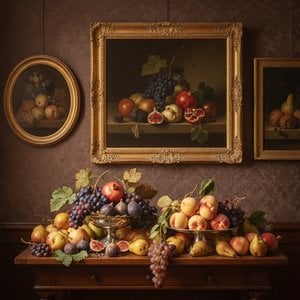
Discover the profound beauty of fruit still life paintings. Explore the rich symbolism, Baroque mastery, and timeless allure of nature's bounty through an art-historical lens, perfect for collectors and enthusiasts of classical fine art.

Explore the profound beauty of fruit arrangement masterpieces. From Dutch Golden Age opulence to Baroque chiaroscuro, discover the art history, symbolism, and timeless elegance of classical still life paintings for the discerning collector.

Explore the profound evolution of Cubist still life, from Cézanne's structural foundations to the fragmented brilliance of Braque and Léger. Discover how geometric abstraction redefined reality through a sophisticated lens of form, color, and modern artistic mastery.
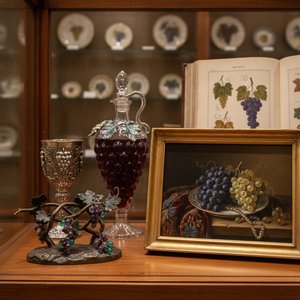
Embark on a visual journey through the world's most exquisite grape-themed masterpieces. Discover the technical brilliance of Baroque masters and learn how to curate timeless, hand-painted oil reproductions for your luxury collection with WahooArt.com.
 Eelvaade
 Saada
Saada Jaga
Jaga
 Teave teose kohta
 Juhend

 Laadi alla
 Sarnased teosed
 Röntgenuuring
 Slaidietendus
 KÜSIMUSED JA VASTUSID
 Statistika

 Loe lähemalt









 Klaasivalik on saadaval ainult kuni 110 cm suuruses teostes


