TASUTA KUNSTIKONSULTATSIOON

x
Tellimaks maali Tellimaks maaliOsta digipilt Osta digipilt SaadaSaada
DetailidDetailid Lisa lemmikutesse Lisa lemmikutesse Laadi allaLaadi alla Sarnased teosedSarnased teosed RöntgenuuringRöntgenuuring SlaidietendusSlaidietendus

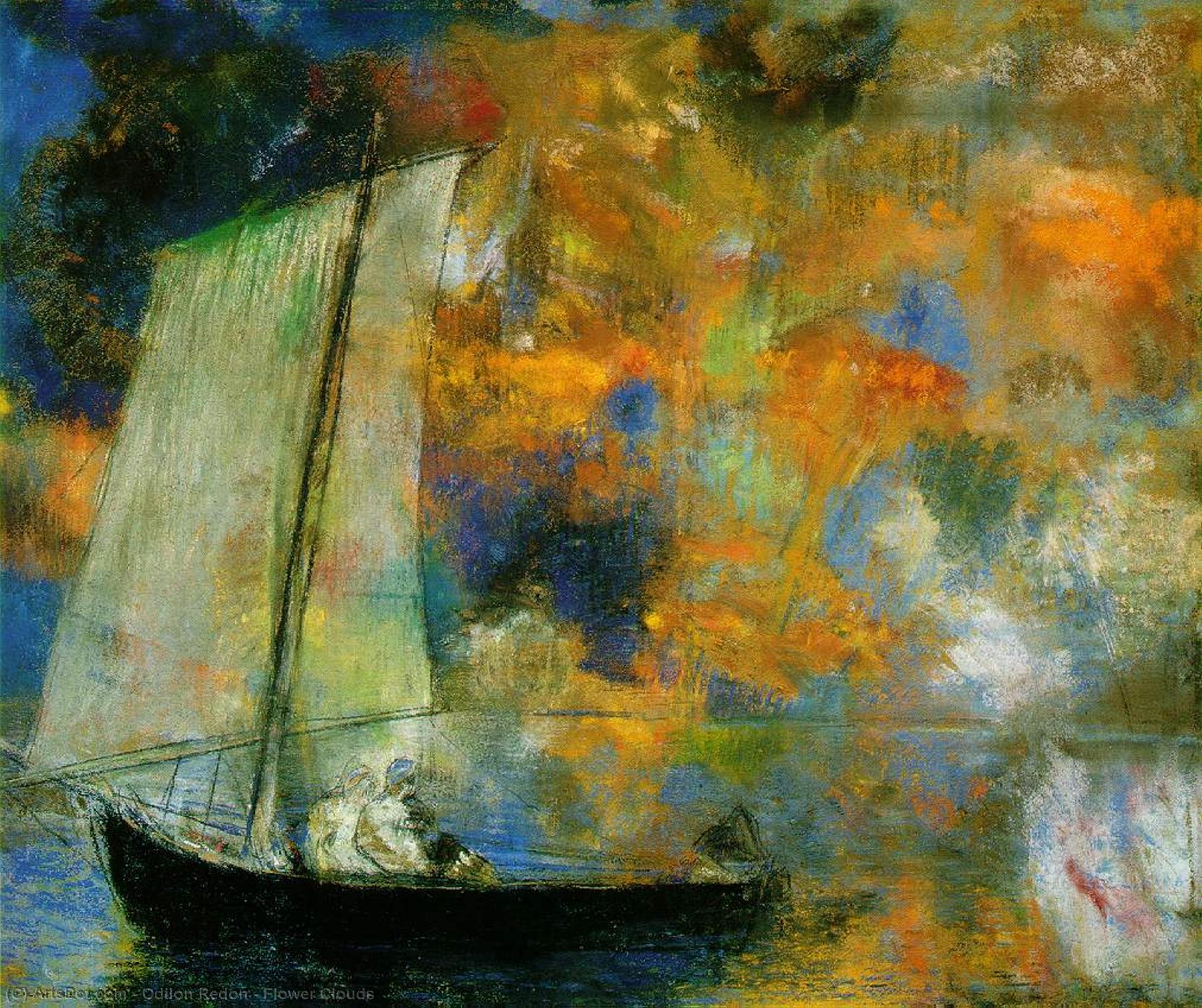
Flower Clouds

Experience Odilon Redon’s evocative ‘Flower Clouds,’ a 1903 masterpiece depicting a serene sailboat journey through atmospheric clouds with rich blues and oranges – perfect for art lovers seeking tranquility. Discover this unique artwork and bring it home.

Odilon Redon oli Prantsuse Symbolistlik kunstnik, kes tuntakse maailma suurima osa kunstiteoste käsitsi maalitud reproduktiooni platvormidel. Tema töö keskendus unenäolisele kujundusele ja sügavale hingele, ning mõjutas suurepäärselt Surrealismi liikmeid. Üsna noorena võttis ta vastu kunstniku karjäeri töökohtade õppe kohta esimeste suurte kunstiteoste valmistamise kohta osa Prantsuse kunstnikute

Giclée / Kunstiprint

Muuseumikvaliteediga giclée- või kangasprint kiire tootmisega ja paindlikud viimistlusvõimalused.

P118B $10
P118H $10
P118W $10
P438Z $10
P508JH $12
P508YH $12
P805H $10
P805Z $10
P919BZ $10
P919G $10
P919XJ $10
P959ZH $10
P968JZ $12
W106C $8
W218G $10
W218JH $8
W218Y $10
W307PJ $10
W316G $10
W316PJ $8
W316Y $10
W398PJ $8
W4111J $10
W500HY $15
W500JH $15
W692G $12
W849H $8
W940BG $15
W953PJ $8

Standard
custom
CM
INCH

Vali meie eelmääratud suurused, mis vastavad teose algupärastele proportsioonidele.

laius
kõrgus

Saate sisestada oma mõõdud, et need sobiks konkreetse raami või ruumi sisse. Kui valitud suurus ei vasta originaalteose proportsioonidele, lõigame teose ära või laiendame pilti peegeldatud või ühtlase servaga. Enne tootmisprotsessi algust saadetakse Teie kinnitamiseks digitaalne näidis.
Palun märka, et ekraanil kuvatav eelvaade ei kajasta tegelikku lõigamist või laiendamist. Ainult näidis kujutab täpselt lõplikku kompositsiooni.
Kuigi erimõõdu on saadaval, soovitame originaaproportsioonide säilitamiseks valida mõõt ette määratud nimekirjast.

Ülemaailmne tarne () 2 nädala jooksul, tavalise 4/5 nädala asemel. (2 juuli)

why_choose_icon
Tasuta ekspresssaatmine üle maailma
why_choose_icon
Kõrgekvaliteediline linakangas
why_choose_icon
Täielik transpordikindlustus
why_choose_icon
Tollimaksude tagastamise garantii
why_choose_icon
Värvitoime täpsuse garantii
why_choose_icon
60-päevane tagastusõig: ainult tootmisdefektide korral
why_choose_icon
100% raha tagasi garantii
why_choose_icon
Hulgusoodustus

Kogu summa

-

reproduction

Flower Clouds

Giclée / Kunstiprint

Reproduktsiooni suurus

-

Kogusumma

-

Teave teose kohta

  • Medium: Painting
  • Title: Flower Clouds
  • Year: 1903
  • Dimensions: 44 x 54 cm
  • Influences:
    • Gérôme
    • Bresdin
  • Artistic style: Dreamlike, evocative
  • Movement: Symbolism

Kogumuse kirjeldus

A Dreamscape in Blue and Orange: Exploring Odilon Redon’s “Flower Clouds”

Odilon Redon's "Flower Clouds," painted in 1903, is more than just a depiction of a sailboat on the water; it’s a profound meditation on the subconscious, rendered with the meticulous technique that defined the artist’s unique vision. This evocative work, measuring 44 x 54 cm, transports the viewer to a realm where reality and dream intertwine, reflecting Redon's lifelong fascination with exploring the hidden landscapes of the human psyche. The painting’s serene subject matter – a lone sailboat adrift in a turbulent sky – belies a deeper emotional resonance, hinting at themes of isolation, longing, and perhaps even the struggle for control amidst overwhelming forces.

  • Subject Matter: A solitary sailboat dominates the composition, suggesting vulnerability and dependence. The presence of two figures—one seated within the boat and another standing nearby—adds a layer of narrative ambiguity, inviting speculation about their relationship and shared experience.
  • Style & Technique: Redon’s style is characterized by its Symbolist tendencies, prioritizing emotional expression over literal representation. He employs a highly detailed technique, reminiscent of his early work in etching and lithography, to create a sense of depth and atmosphere. The use of layered brushstrokes and subtle color variations contributes to the painting's dreamlike quality.

The Symbolism of Cloud and Water

Redon’s masterful manipulation of light and shadow is central to the work’s impact. The swirling clouds, rendered in shades of blue, orange, and red, aren’t merely atmospheric effects; they function as potent symbols. Clouds have long represented the ephemeral nature of thought, memory, and emotion – concepts that were particularly resonant within Redon's artistic practice. Water, similarly, is a recurring motif in his oeuvre, often symbolizing the unconscious mind or the realm of dreams. The boat itself can be interpreted as a fragile vessel navigating these turbulent waters, representing the human condition’s inherent vulnerability.

  • Color Palette: The dominant blues and greens evoke feelings of melancholy and introspection, while the bursts of orange and red introduce an element of dramatic tension and perhaps even hope.
  • Compositional Elements: The placement of the sailboat off-center creates a sense of unease and imbalance, mirroring the emotional turmoil suggested by the subject matter.

Historical Context & Redon’s Vision

Created in 1903, “Flower Clouds” reflects the broader artistic currents of the late 19th and early 20th centuries. Redon was a key figure within the Symbolist movement, which sought to express subjective experiences through evocative imagery rather than objective representation. His work anticipated many of the developments in Expressionism that would emerge later in the century. Born in Bordeaux in 1840, Redon’s artistic journey was marked by a relentless pursuit of inner vision, influenced by masters like Gérôme and Bresdin but ultimately forging his own distinctive path – one dedicated to capturing the unsettling beauty of the unseen world.

  • Redon's Influence: Redon’s exploration of psychological themes and his innovative use of technique paved the way for subsequent generations of artists.
  • The Symbolist Movement: The painting exemplifies the Symbolists’ rejection of academic realism in favor of symbolic imagery that aimed to evoke emotional responses in the viewer.

Emotional Impact & Artistic Value

"Flower Clouds" possesses a haunting beauty and profound emotional depth, inviting viewers to contemplate themes of solitude, vulnerability, and the power of imagination. This hand-painted reproduction captures not only the visual details of Redon’s original masterpiece but also the artist's unique sensibility and artistic vision. It is an ideal piece for collectors seeking to add a touch of mystery and introspection to their spaces, or for interior designers looking to create a contemplative atmosphere.

Sarnased teosed


Kunstniku elulugu

Odilon Redon (1840-1916), Between Shadow and Light

Odilon Redon, born Bertrand Jean Redon in Bordeaux, France, was an artist perpetually drawn to translate the unseen realms of imagination and dream into tangible form. His artistic journey began not with grand ambition but with quiet observation; at just ten years old he won a drawing prize—a foreshadowing of the visual sensitivity that would define his life’s work. Though initially steered towards architecture by familial expectations, Redon's true calling lay elsewhere, illuminated by instruction from Jean- Léon Gérôme and, crucially, Rodolphe Bresdin, who guided him in the intricate arts of etching and lithography. These techniques became foundational to his early explorations, allowing him to delve into a world of shadowy figures and ambiguous forms that would soon captivate those seeking an alternative to academic realism. The interruption of the Franco-Prussian War saw Redon briefly serving in the military, but it was upon his return to Paris that his artistic vision truly began to coalesce.

Early Life and Influences

Redon’s childhood was marked by a profound connection with nature—specifically the landscape surrounding Bordeaux and Peyrelebade vineyard estate near Listrac-Médoc where he spent summers. This formative experience instilled in him an enduring fascination with organic forms and textures, which would permeate his artistic output throughout his life. At seven, a visit to Parisian museums profoundly impacted his artistic sensibility, exposing him to the works of masters like Millet and Corot—artists who championed tonal landscapes and conveyed emotion through subtle shading. Formal art training began at age eleven under Stanislas Gorin, a pupil of Eugène Isabey, who introduced Redon to the Romantic and Symbolist traditions of painting. His father’s insistence on architectural studies ultimately proved unsuccessful in fulfilling his ambitions for a career in design, though he continued to pursue artistic endeavors alongside his professional pursuits. The influence of writers like Edgar Allan Poe and Charles Baudelaire—who shared a fascination with the macabre, the mysterious, and the power of suggestion—is palpable in Redon’s early works, shaping his stylistic choices and thematic concerns. Notably, he was deeply moved by Darwin's theory of evolution, which challenged prevailing scientific dogma and opened up new avenues for artistic exploration.

The Birth of Symbolism: ‘Noirs’ and Early Visions

Redon’s artistic breakthrough arrived in 1879 with the publication of *Dans le rêve* (In the Dream)—his first album of lithographs printed by Lemercier—a pivotal moment that cemented his position within the burgeoning Symbolist movement. These monochrome prints, executed primarily in charcoal and lithography, represented a radical departure from academic realism, prioritizing emotional resonance over visual accuracy. The “noirs,” as these works came to be known, weren’t merely studies in darkness; they were explorations of the subconscious mind—populated by unsettling creatures, disembodied eyes, and haunting figures emerging from swirling mists. Redon deliberately rejected conventional artistic conventions, seeking instead to evoke feelings of anxiety, wonder, and melancholy—themes that would recur throughout his oeuvre. The stylistic echoes of Poe and Baudelaire are unmistakable: a shared preoccupation with psychological horror and the unsettling beauty of decay. Critics initially dismissed Redon’s “noirs” as morbid fantasies, yet they quickly gained recognition for their expressive power and masterful technique.

Technique and Artistic Vision

Redon's mastery of etching and lithography—skills honed under Rodolphe Bresdin—became indispensable to his artistic process. He meticulously crafted each print, employing subtle tonal gradations and intricate textures to convey mood and atmosphere with remarkable precision. His use of charcoal was particularly distinctive, allowing him to capture the ethereal quality of dreams and visions—a stylistic hallmark that would define his signature style. Beyond technique, Redon possessed a profound philosophical outlook informed by scientific discoveries and literary influences. He believed in “placing the visible at the service of the invisible,” striving to represent not merely what he saw but what he felt—a principle that underpinned his artistic endeavors throughout his life. His fascination with mythology and Eastern religions—particularly Buddhism—manifested itself in symbolic imagery and compositional arrangements that reflected a desire for transcendence.

Legacy and Influence

Odilon Redon’s impact on the art world extends far beyond his own lifetime. He was awarded the Legion of Honor in 1903, recognizing his contribution to French culture and artistic innovation. His work gained wider acclaim with exhibitions at the New York Armory Show in 1913—a landmark event that introduced modern art concepts to American audiences—and Mellerio published *Odilon Redon: Painter, Engraver* in 1923. Most importantly, Redon’s exploration of dreams and irrationality profoundly influenced Surrealist artists like Marcel Duchamp and Max Ernst, who adopted his stylistic techniques and thematic concerns as inspiration. His legacy remains one of artistic courage—a willingness to challenge conventions and embrace the ambiguous—and a testament to the transformative power of art to illuminate hidden dimensions of human experience. He truly captured the essence of Symbolism, prioritizing emotion over realism and delving into realms beyond the observable world.
Odilon Redon

Odilon Redon

1840 - 1916 , Prantsusmaa

Lühikesed faktid

  • Artistic Movement Or Style: Symbolism
  • Artists Or Movements Influenced By This Artist:
    • Surrealism
    • Marcel Duchamp
  • Artists Who Influenced This Artist:
    • Jean-Léon Gérôme
    • Rodolphe Bresdin
  • Date Of Birth: 1840
  • Full Name: Odilon Redon
  • Nationality: Prantsuse
  • Notable Artworks:
    • Centaurs
    • Onnes
    • Portrait of Ari Redon
  • Place Of Death: Pariis
Avastage teoseid, mis on koondatud teemade, stiilide ja omaduste kaupa.