


Muuseumikvaliteediga giclée- või kangasprint kiire tootmisega ja paindlikud viimistlusvõimalused. ( Osta käsitsi maalatud teos Lülita digitaalse pildi juurde)





























Vali meie eelmääratud suurused, mis vastavad teose algupärastele proportsioonidele.

Sisestage vajalik laius ja kõrgus, et see sobiks teie raamile või seinale. Trükki saab ainult lõigata, seda ei saa kunagi pildist suuremaks teha, seega ka erineva mustega suurus kaotab osa pildist. Enne trükkimist saadame teile kinnitamiseks digitaalse näidisprojektsiooni. Sellel lehel näidatud pilt ei kujuta reaalset lõiget — seda näitab ainult näidisprojektsioon.
Ülemaailmne tarne () 2 nädala jooksul, tavalise 4/5 nädala asemel. (16 november)
Goat
Reproduktsiooni suurus
In the quiet stillness of the frame, Goat by Niko Pirosmani presents a singular encounter with a creature of the earth. This animal painting captures a goat in a moment of profound isolation, its form emerging from a dark, undefined space. The subject is a simple portrait, yet it carries a weight that feels heavy and immediate. There is a certain raw honesty in the way the animal stares out, its presence stripped of any unnecessary surroundings. It exists alone against a backdrop of deep greens and blacks, a solitary figure in a vast, shadowy void.
The style of the work belongs to the Naïve Art (Primitivism) movement, where the artist bypasses formal academic rules to reach a direct, unadorned truth. Niko Pirosmani does not rely on the complex mathematics of perspective or the polished finish of traditional training. Instead, the goat is rendered with a certain unsophisticated grace, its features defined by a lack of refined detail that feels deeply personal. The jagged lines of the horns and the loose application of paint suggest a vision born of direct observation rather than studied imitation.
A sense of melancholy clings to the animal's expression, a quiet sadness that seems to mirror the artist's own solitary existence. The goat does not move; it simply is. This stillness creates a tension between the living subject and the dark, amorphous environment surrounding it. Through this minimalist approach, the portrait achieves a heavy dignity, turning a common beast into a subject of intense, emotional focus. The viewer meets the gaze of the animal and finds a quiet, unsettling stillness that lingers long after the first look.
The goat occupies the center of the frame, held in a steady, unmoving gaze. There is no rush of movement here; the composition remains straightforward and quiet. The animal is rendered primarily in white, though soft grey shading traces the contours of its body to suggest a physical form. It exists in a space that feels both immediate and distant, stripped of any surrounding environment. The background is an undefined void, transitioning from deep, dark greens into a heavy black that pushes the subject toward the viewer.
A sense of flatness permeates the scene, as the animal lacks a deep sense of perspective. The goat appears somewhat flattened against the dark backdrop, existing almost on a single plane rather than within a wide, receding space. This lack of depth creates a stark contrast between the light fur of the creature and the shadows behind it. The jagged lines of the horns and the loose application of color around the legs give the figure a raw, direct presence. It is a portrait of stillness, where the subject is isolated within a dark, silent expanse.
The artist works with oil paint upon a canvas, applying the pigment with a directness that feels immediate and unmediated. There is no attempt to smooth the surface into a polished finish or to hide the hand that moved the brush. Instead, the paint sits upon the fabric with a raw, honest quality. Each stroke remains visible, leaving behind a textured record of the artist's movements. These marks define the animal's form, tracing the jagged lines of the horns and the heavy contours of the body without the need for delicate transitions.
A notable absence of blending or glazing defines the visual language here. The colors do not melt into one another through subtle gradations; rather, they meet with a stark, decisive clarity. This lack of traditional refinement creates a sense of flatness, where the subject exists on a single, unyielding plane. The application is straightforward, favoring the essential shape of the creature over the complex layering of light and shadow. It is a method of painting that relies on the weight of the oil and the physical presence of the brushstroke to convey life.
Teos "Goat" on saadaval kujundisena käsitsi maalatud õlireproduktsioon linaelapale. Tellimust saab esitada selle Käsitsi maalatud reproduktsioon lehel, kus on võimalik valida erinevad suurused.
Formaat (Landscape) ja soovitatav ruum (Restaurant) on teose „Goat“, autor Niko Pirosmani kohta kirjutatud kaks paigutusandmet.
Teose "Goat" on loonud Gruusia-s sündinud Niko Pirosmani, tuginedes Naïve Art suunale. Kunstniku päritolu seob teose Naïve Art stiiliga, mida praktiseerivad Gruusia kunstnikud.


Explore the profound emotional depth of Van Gogh's impasto technique. Discover how his sculptural brushstrokes and textured oil layers define Post-Impressionism through an expert art-historical lens, perfect for discerning collectors and fine art enthusiasts.
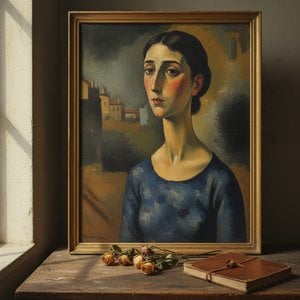
Delve into the haunting beauty of Amedeo Modigliani's portraits. Explore the intersection of Expressionism and Modernism through an expert analysis of his iconic elongated forms, melancholic gazes, and profound influence on art history.

Explore the profound spiritual depth of geometric abstraction. From Malevich's Suprematism to modern masters, our expert guide reveals how pure form and color command presence in fine art collections.

Explore the profound artistry of black and white photography. From historical mastery to the interplay of light and shadow, discover how monochrome captures timeless emotion and form through a sophisticated lens of art history.
 Eelvaade

 Saada
 Jaga
 Teave teose kohta
 Juhend


 Laadi alla
 Sarnased teosed
 Röntgenuuring
 Slaidietendus
 KÜSIMUSED JA VASTUSID

 Statistika


 Loe lähemalt









 Klaasivalik on saadaval ainult kuni 110 cm suuruses teostes


