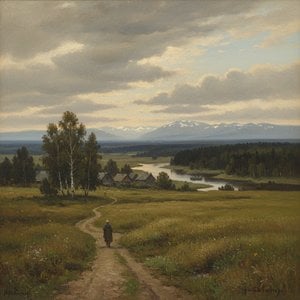
Nikolai Roerichi: Kunstnikuhinge teekond läbi aja ja ruumi
Nikolai Konstantinovitš Roerich, sündinud 1874. aastal Peterburis, oli kunstnik, kelle eluteekond ületas tavapärase looja piire. Ta oli arheoloog, kirjanik, filosoof ning vankumatu pooldaja rahu ja kultuuripärandi säilimisele pühendunud mees. Tema kasvatus, mis sisaldas nii intellektuaalset rangust – isa oli nimelt notar – kui ka kunstilisüdamlikkust tänu emale, loogis aluse erakordsele karjäärile. Roerich õppis üheaegselt õigust ja kunsti Peterburi Ülikoolis ning Keiserliku Kunstiakadeemias alates 1893. aastast, näidates oma varajast pühendumist maailma laiemale mõistmisele. See kahene tee ei olnud vasturääkiv; pigem peegeldas see veendumust, et kunstnikuvisioon vajab kinnitust ajaloolises kontekstis ja intellektuaalses distsipliinis. Ta sai kunstniku määramise 1897. aastal ning lõpetas õiguseõpingud järgmisel aastal, pannes aluse elule, mis pühendus nii loomingulisele avastamisele kui ka mõistlikule tegutsemisele.
Sümbolismi võlu ja teatrilisest innovatsioonist
Roerichi kunstiline areng kujunes vene sümbolismi voolude poolt, liikumise, mis püüdis tekitada emotsionaalseid ja vaimseid sügavusi elavate kujundite ja vihjavate vormide kaudu. Ta osales peagi Sergei Djagilevi mõjukas "Maailma Kunst" seltsis, võttes hiljem üle selle presidendi kohuse aastatel 1910–1916. See seotus osutus pöördeliseks, tutvustades teda innovaatiliste kunstnike, heliloojate ja mõtlejate võrgustikuga, kes olid ümber defineerimas vene kunsti maastikku. Tema varajased tööd näitasid fanaatikat arheoloogia ja lavakujunduse vastu, mis viis murranguliste koostööni Djagilevi Ballets Russesiga. Roerichi kujundused sellistele etendustele nagu Aleksandr Borodini *Prints Igor* (1909) ja eriti tuntud Igor Stravinski revolutsiooniline *Keivad kevad* (1913) ei olnud lihtsalt tausta; need olid lahutamatud osa teatrilisest kogemusest. Ta ühendas täpse ajaloolise uurimistöö julge kujutuslikku visiooniga, luues visuaalselt vapustavaid keskkondi, mis võimendasid muusika ja koreograafia emotsionaalset jõudu. Need kujundused ei olnud pelgalt dekoratiivsed; need olid katseid esile kutsuda algelisi jõude ja iidseid rituaale, kajastades sümbolistide huvi müüdi ja vaimu vastu. Tema tööd said mõjutusi ka apokriifsetest ja keskaegsete sektantlike kirjutustest nagu Vaimuraamat, mis lisasid tema kunstiliste loomingutele esoteerilisi tähendusi.
Põrutuse poole: Mystitsism ja Himaalaja vaated
Roerichi karjääri arenedes muutusid tema maalide teemad oluliselt, üha rohkem omandades mystilisi ja vaimseid teemasid. See nihkese oli tingitud kasvavast huvist Teosoofiast ja idareligioonidest, filosoofiad, mis rõhutasid kõigi asjade omavahelisust ning sisemise tarkuse otsingut. Tema *Arhitektuurikoolid* sarja (1904–1905) näitasid mitte ainult tema arhitektuurses oskust, vaid ka sügavat pühendumist kultuuripärandi säilimisele, ettekujundades hilisemat advokaati kunstivara kaitsemiseks konfliktiaegadel. Tema töödes hakkasid ilmuma korduvad motiivid: majesteetlikud maastikud, müsteeriumiga ümbritsetud muinaslinnad ja vaimse tähendusega tegelased nagu Panteleimon ja Kuan Yin. Tõenäoliselt kõige tuntumad on Himaalaja kujutused tema maalidel, mis esindavad mitte ainult geograafilist asukohta, vaid ka sügava vaimulise jõu ja valgustumisega seotud piirkonda. Ta astus laialdastele reisidele Kesk-Aasias, teostades arheoloogilisi uuringuid ning dokumenteerides iidseid kultuure, kogemused, mis süvendasid tema kunstnikuvisiooni ja tuletasid meeldet olulisust kultuurilise mõistmise jaoks.
Pärand: Säilimise advokaat ja jätkuva mõju
Nikolai Roerichi pühendumus ulatub kaugemale lõuendini; ta oli pühendunud advokaat kunstivara kaitseks sõjaaegadel. Tunnustades kultuurivarade haavatavust, algatas ta 1935. aastal Roerichi paktu – rahvusvahelise lepingu, mille eesmärk oli säilitada kunstiobjektid hävitamisest. See algatus tõi talle mitmeid Nobeli rahuauhindade kandideeringuid, rõhutades tema sügavat humanitaarset tegevust. Tema vankumatu pingutus näitas veendumust, et kultuuripärandi sälimine on oluline mitte ainult mineviku mõistmiseks, vaid ka rahumeelsema tulemuse ehitamiseks. Tänapäeval tähistatakse Roerichi tööd tuntud muuseumikogudes üle maailma, sealhulgas Astrakhani Riigipildigalerii ja eriti New Yorki Linna Roerichi Muuseumis. Tema mõju vene kunstile ja kultuurile on mõõdetav. Ta sillutas vahet kunstilise väljenduse ja vaimulise uurimise vahel, mõjutades põlveid kunstnikke ja mõtlejaid oma visionääriks lähenemisega.
Teda meenutatakse mitte ainult maalijana, vaid ka teadlase, humanitaristina ja lootustandena kultuuripärandi säilimisel.
Peamised tööd ja jätkuva tähendus
- Saint Nicholas: Detailne monokroomne seinamaal, mis kujutab keskaegset kunsti ja heraldilist sümbolism.
- City: Elavad kujutused muinaslinnade maastikest, mis peegeldavad tema arheoloogilisi huve.
- Lake of the Nagas: Temperamaal, mis ühendab sümbolismi ja loodust, näidates tema ainulaadset kunstnikuvisiooni.
Roerichi pärand kõlab täna päevagi. Ajastul, mida iseloomustavad kultuurikonfliktid ja keskkonnaprobleemid, on tema advokaat säilimise poolt eriti asjakohane. Tema kunst kutsub meid kaaluma eksistentsi müsteeriumeid, vaimu jõudu ning meie ühise inimliku pärandi sälimise tähtsust. Ta jättis maha teose, mis ei ole mitte ainult visuaalselt vapustav, vaid ka sügavalt tähendusrikas, pakkudes igavest sõnumit rahu, mõistmist ja kõigi kultuuride vastu austust.



 Eelvaade
 Lülita trükkitoodetele
 Saada
Saada Jaga
Jaga
 Teave teose kohta

 Laadi alla
 Sarnased teosed
 Röntgenuuring
 Slaidietendus
 Statistika

 Loe lähemalt






































 Klaasivalik on saadaval ainult suuruses kuni 110 cm