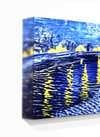
Found autor Max Klinger, meistri poolt käsitsi maalatud õlimaali reproduktsioon
Eelvaade AR-eelvaade Kvaliteetne kunstivõide Hand-painted õli-maal Digitaalne pilt Saada
Teave teose kohta Teosest infokaart Lisa lemmikutesse Laadi alla Sarnased teosed Röntgenuuring Slaidietendus KÜSIMUSED JA VASTUSID Esitlus Statistika

Found (Max Klinger) Käsitsi maalatud õlimaal reproducing

Hand-painted õlimaal alates €228 suuruses 36 x 28 cm

Kaasaartav fine art trükis alates €45

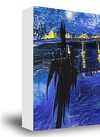
Two figures kneel in despair beneath a suspended form in this dramatic monochromatic etching filled with dense, swirling cross-hatching.

Tema teos Kummardus hansule oli inspiratsiooniks unenägu: uuri, kuidas kummardus hansus igal plaatil ilmub.

Käsitsi valmistatud õlimaalireproduktsioon

Meie kunstnike poolt tellimusel valmistatud käsitsi maalitud õli-kainaste teos teie soovitud suuruses ja raamis. ( Kvaliteetne kunstivõide Hand-painted õli-maal Digitaalne pilt )
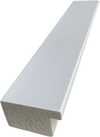
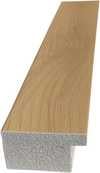
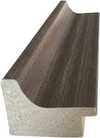
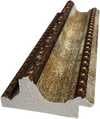
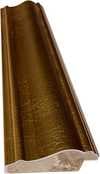
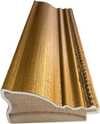
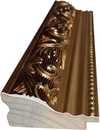
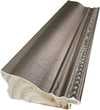
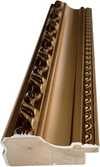
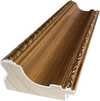
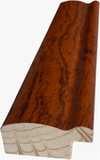
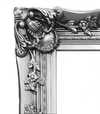
Näidis raami nurgast: P118B pildiraam, materjal: vormitud polüstüreen, laiuses 5 cm ja paksus 3 cm
P118B €10
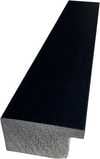
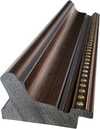
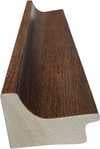
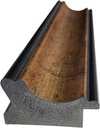
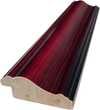
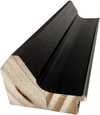
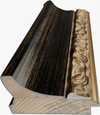
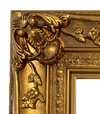
Näidis raami nurgast: P118H pildiraam, materjal: vormitud polüstüreen, laiuses 5 cm ja paksus 3 cm
P118H €10
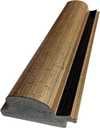
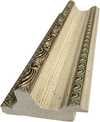
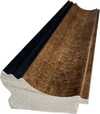
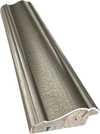
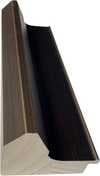
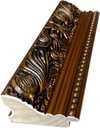
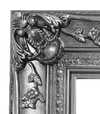
Näidis raami nurgast: P118W pildiraam, materjal: vormitud polüstüreen, laiuses 5 cm ja paksus 3 cm
P118W €10
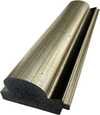
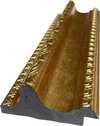
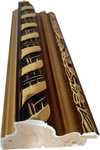
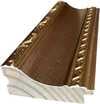
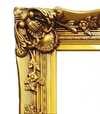
Näidis raami nurgast: P438Z pildiraam, materjal: vormitud polüstüreen, laiuses 5.5 cm ja paksus 3.5 cm
P438Z €10
Näidis raami nurgast: P508JH pildiraam, materjal: vormitud polüstüreen, laiuses 7 cm ja paksus 3.5 cm
P508JH €12
Näidis raami nurgast: P508YH pildiraam, materjal: vormitud polüstüreen, laiuses 7 cm ja paksus 3.5 cm
P508YH €12
Näidis raami nurgast: P805H pildiraam, materjal: vormitud polüstüreen, laiuses 5 cm ja paksus 3.5 cm
P805H €10
Näidis raami nurgast: P805Z pildiraam, materjal: vormitud polüstüreen, laiuses 5 cm ja paksus 3.5 cm
P805Z €10
Näidis raami nurgast: P919BZ pildiraam, materjal: vormitud polüstüreen, laiuses 7 cm ja paksus 3.5 cm
P919BZ €10
Näidis raami nurgast: P919G pildiraam, materjal: vormitud polüstüreen, laiuses 7 cm ja paksus 3.5 cm
P919G €10
Näidis raami nurgast: P919XJ pildiraam, materjal: vormitud polüstüreen, laiuses 7 cm ja paksus 3.5 cm
P919XJ €10
Näidis raami nurgast: P959ZH pildiraam, materjal: vormitud polüstüreen, laiuses 5 cm ja paksus 3 cm
P959ZH €10
Näidis raami nurgast: P968JZ pildiraam, materjal: vormitud polüstüreen, laiuses 6 cm ja paksus 4 cm
P968JZ €12
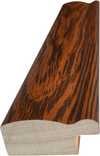
Näidis raami nurgast: W106C pildiraam, materjal: massivpuit, laiuses 5 cm ja paksus 3 cm
W106C €8
Näidis raami nurgast: W218G pildiraam, materjal: massivpuit, laiuses 5 cm ja paksus 3 cm
W218G €10
Näidis raami nurgast: W218JH pildiraam, materjal: massivpuit, laiuses 5 cm ja paksus 3 cm
W218JH €8
Näidis raami nurgast: W218Y pildiraam, materjal: massivpuit, laiuses 5 cm ja paksus 3 cm
W218Y €10
Näidis raami nurgast: W307PJ pildiraam, materjal: massivpuit, laiuses 6 cm ja paksus 3 cm
W307PJ €10
Näidis raami nurgast: W316G pildiraam, materjal: massivpuit, laiuses 6 cm ja paksus 3 cm
W316G €10
Näidis raami nurgast: W316PJ pildiraam, materjal: massivpuit, laiuses 6 cm ja paksus 3 cm
W316PJ €8
Näidis raami nurgast: W316Y pildiraam, materjal: massivpuit, laiuses 6 cm ja paksus 3 cm
W316Y €10
Näidis raami nurgast: W398PJ pildiraam, materjal: massivpuit, laiuses 5 cm ja paksus 3 cm
W398PJ €8
Näidis raami nurgast: W4111J pildiraam, materjal: massivpuit, laiuses 6.5 cm ja paksus 3.5 cm
W4111J €10
Näidis raami nurgast: W500HY pildiraam, materjal: massivpuit, laiuses 7 cm ja paksus 5 cm
W500HY €15
Näidis raami nurgast: W500JH pildiraam, materjal: massivpuit, laiuses 7 cm ja paksus 5 cm
W500JH €15
Näidis raami nurgast: W692G pildiraam, materjal: massivpuit, laiuses 8 cm ja paksus 4 cm
W692G €12
Näidis raami nurgast: W849H pildiraam, materjal: massivpuit, laiuses 5 cm ja paksus 3 cm
W849H €8
Näidis raami nurgast: W940BG pildiraam, materjal: massivpuit, laiuses 7.5 cm ja paksus 4.5 cm
W940BG €15
Näidis raami nurgast: W953PJ pildiraam, materjal: massivpuit, laiuses 6 cm ja paksus 3.5 cm
W953PJ €8

Vali meie eelmääratud suurused, mis vastavad teose algupärastele proportsioonidele.

laius
kõrgus

Sisestage vajalik laius ja kõrgus, et teos sobiks teie raamile või seinale. Kuna tegu on käsipainatud teosega, siis erineva kujuga suuruse korral võib kunstnik jätta pildi ümber veidi rohkem marginaali või lõigata osa ära — valik on teie. Enne maali alustamist saadame teile kinnitamiseks digitaalse näidisprojektsiooni. Sellel lehel näidatud pilt ei kajasta tegelikku tulemust — seda näitab ainult näidisprojektsioon.

Standardne suurus
kohandatud
CM
TOLLID

Näited muudetavatest elementidest: asenda nägu kliendi fotoga; lisa lemmikloom (nt asenda kass koeraga); lisa taustale peidetud sõnum; muuda tausta maastikku või elemente.
Pärast tellimust saadab WahooArt.com meeskond kliendile e-posti juhised ning esitab eelvaate kavandi

Maailmalıineline kohaletoimetamine riiki 3/4 nädala jooksul, mitte tavapärast 4/5 nädalat. (22 detsember). Kvaliteedis ei tehta kompromisse.

Tasuta ekspresssaatmine üle maailma
Kõrgekvaliteediline lina-kangas
Täielik transpordikindlustus
Tollimaksude tagastamise garantii
Värvitoime täpsuse garantii
100 päeva tagasimaksumise õigus ja raha tagastamine
100% raha tagasi garantii
Hulgusoodustus

Kogu summa

€ 320

Found

Reproduktsiooni tehnika

Reproduktsiooni suurus

-

Koguhind

€ 320

Teave teose kohta

  • Kunstnik: Max Klinger
  • Tehnika: Etching
  • Artistic style: Late 19th-century Expressionism
  • Artist: Max Klinger
  • Notable elements or techniques: Dense cross-hatching, monochromatic
  • Subject or theme: Anguish, despair, and emotional distress

Testi oma silma

Iga küsimuse kohta on ainult üks õige vastus.

Küsimus 1:
What is the primary technique used to create the texture and forms in this artwork?
Küsimus 2:
Which artistic movement is this artwork characteristic of?
Küsimus 3:
What is the color palette of the piece?
Küsimus 4:
How are the figures arranged in the composition?
Küsimus 5:
Which artist's style does the artwork share similarities with?

The Artwork Found by Max Klinger

In the quiet tension of Found, the viewer encounters a scene of profound emotional distress. Max Klinger, born in 1857 in Leipzig, Germany, presents a vision that feels caught in a moment of sudden, sharp anguish. The composition draws the eye upward through a pyramidal arrangement, where two figures kneel in supplication at the base. Above them, a third figure remains suspended on a rigid rectangular plane, creating a sense of unsettling verticality. The atmosphere is heavy with a feeling of helplessness, as if the figures are trapped within a swirling chaos of lines that refuse to settle.

The imagery suggests a narrative of torment or judgment, though the exact nature of the suffering remains a mystery. Shadows and highlights dance across the forms, emphasizing the intensity of the facial expressions and the physical strain of the subjects. There is a palpable sense of unease in the way the figures interact with the space around them. The scene does not offer the comfort of a clear light source, leaving the viewer to navigate the deep shadows and the turbulent, textured background that seems to pulse with internal turmoil.

Composition and Visual Elements

A heavy, pyramidal structure dictates the movement of the scene, pulling the eye upward through a tense arrangement of forms. At the base, two figures kneel in a state of supplication, their bodies anchoring the bottom of the triangle. Above them, a third figure remains suspended on a rigid, rectangular plane, creating a jarring contrast between the organic curves of the human forms and the unyielding geometry of the platform. This vertical tension holds the viewer in a state of suspended animation, caught between the grounded suffering below and the hovering presence above.

The background refuses to remain still. Dense, swirling lines churn through the space, suggesting a world in a state of constant, chaotic turmoil. These lines wrap around the figures, blurring the distinction between the subjects and the atmosphere surrounding them. Light and shadow dance unevenly across the scene, with deep, heavy blacks clashing against pale highlights to emphasize the emotional weight of the figures. The perspective feels strangely flattened, yet the layering of these dark, textured shapes creates a sense of depth that pulls the viewer into the center of the struggle.

Technique and Artistic Materials

The scene emerges from a monochromatic world, where every shadow and highlight relies on a careful dance of gray tones. This is the result of a meticulous printmaking process, likely an etching or an engraving. One can almost feel the physical resistance of the metal plate as the artist uses sharp etching needles to incise deep, deliberate lines into the surface. These marks do not merely outline forms; they build a dense, textured landscape through heavy cross-hatching that catches the light and holds the darkness in place.

The materials used in this creation speak to a tactile, hands-on labor. A metal plate, perhaps zinc or copper, receives the initial wounding of the needle, creating the channels that will eventually hold the ink. Once the incised lines are ready, ink is pressed into these grooves, transferring the soul of the plate onto paper. This method allows for a staggering level of detail, where the swirling, chaotic lines of the background and the sharp, angular contours of the figures emerge from the interplay of ink and fiber.

Style and Artistic Movement

The work breathes with the heavy, restless energy of late 19th-century Expressionism. Every line seems to vibrate with an internal tension, pushing beyond mere representation to capture a raw, psychological state. This approach finds a striking kinship with the visual language of Edvard Munch, where the external world bends and twists to mirror the turbulence of the human spirit. The figures do not simply exist in space; they appear caught in a moment of profound emotional upheaval, their forms shaped by the weight of what they feel rather than the strict rules of anatomy.

At its core, the piece is deeply rooted in the Symbolist movement. It moves away from the literalism of the natural world to explore the shadowy, subjective realms of the subconscious. Rather than depicting a clear, objective reality, the imagery functions through a language of signs and metaphors that point toward deeper, unseen truths. The atmosphere is thick with the sense of a dream or a nightmare, where the boundaries between the physical self and the internal psyche begin to dissolve into a swirl of dark, textured lines.

Emotional and Symbolic Themes

Anguish and fear pulse through the scene, casting a heavy shadow over the figures. A profound sense of desperation grips the viewer as the subject matter unfolds, depicting a moment of intense emotional distress and torment. The two kneeling figures at the base of the composition seem trapped in a state of supplication, their bodies conveying a deep-seated helplessness. Above them, a third figure remains suspended on a rigid rectangular plane, watching the suffering below. This triangular arrangement creates a palpable tension, suggesting a heavy power dynamic or the weight of an inevitable judgment.

Chaos swirls in the background, where dense, agitated lines churn like a storm. These movements suggest a state of inner turmoil or perhaps the presence of overwhelming external forces acting upon the souls depicted. The darkness and light do not merely define form; they heighten the psychological weight of the moment. Every line contributes to an atmosphere of unease, as if the very air around the figures is thick with their collective despair. The struggle feels immediate, caught in a perpetual state of spiritual or emotional crisis.

Related Works by Max Klinger

The shadows of the artist's imagination stretch into other graphic cycles, where the boundaries between reality and the subconscious continue to blur. In the series Paraphrase on the Finding of a Glove, a single lost object transforms into a potent fetish, triggering a sequence of dreamlike visions and unsettling encounters. This narrative exploration of desire and loss finds a musical counterpart in the Brahms Fantasies from 1894, where the artist translates the spirit of composition into visual form. These works reveal a mind preoccupied with the hidden currents of human longing and the irrational forces that govern our inner lives.

Other explorations move through the realms of myth and movement. The artist's hand traces the tension found in The Rape of Prometheus and the rhythmic energy of Preparation for the dance. Each piece acts as a window into a world where the physical and the psychological are inseparable. Whether through the meticulous lines of an etching or the heavy presence of a sculpture, the artist's vision remains fixed on the tension between the seen world and the unseen impulses that drive it.

Korduvad küsimused

Kas teose Found reproduktsioon on käsitsi maalitud või trükitud?

Käsin maalitud: professionaalne kunstnik koopia teosest Found õli-linast veebilehel.

Millise suuruse teose Found jaoks valida?

Suurused on vahemikus 36.3 x 27.5 cm (€228) kuni 241.8 x 183.4 cm (€1533); sellel lehel olev tabel on toodud peamised sammud ja nende hinnad.

Kui kaua kohalelymine aega võtab?

Tarne kestab 4–5 nädalat ning pakkume tasuta ekspresslaenitust üle maailma; kiiremat valmistamist võimaldab seda lehte valitud valik. Kui te ei ole toote keskmisest rahul, on teil võimalik seda 100 päeva jooksul ilma tingimusteta täiesumma tagastamisega naasta.

Millist materjali Max Klinger teoseks Found kasutas?

Etching


Avastage teoseid, mis on koondatud teemade, stiilide ja omaduste kaupa.