

Lentekadmed ja fine art trükised alates €45 suuruses 39 x 25 cm
Käsinmaalitud õlireproduktsioon alates €182
Sellel lehel kuvatav kunstiteos on kaitstud autoriõigusega, mis tähendab, et meil ei ole seaduslikku õigust luua või müüa identset reproduktsiooni. Seda kaitset rakendatakse rahvusvaheliste kokkulepete alusel, nagu näiteks Berne konventsioon ning riiklike seadustega, sealhulgas nendega, mida on sätestatud USA autoriõiguse seadus – 17. peatükk.
See meetod järgib täielikult autoriõiguse reegleid, kuna see ei põhine kaitstud kunstiteose kopeerimisel või dupliteerimisel. Selle asemel on tegu loova reinterpreetatsiooniga – uue maaldisega, mis on algteosest inspireeritud, kuid ei ole sellest identiline.
Muuseumikvaliteediga giclée- või kangasprint kiire tootmisega ja paindlikud viimistlusvõimalused. ( Hand-painted õli-maal Digitaalne pilt
)
Meie soodsam trükk: sama pilt trükkituna 260 g/m² polüesterlõendile puuvillase lõendile asemel, tarnituna rullitudna torus tavapostiga 3–4 nädala jooksul. Ainult rullitudna (ilma pingekraamiga ja raamita) ning ilma kiirtootluseta, suurustele, kus vähemalt üks külg on 80 cm või väiksem. Umbes 30% soodsam kui puuvillane lõendtrükk.
See suurus ei ole saadaval: vähemalt üks külg peab olema 80 cm või väiksem.
Vain rullituna: vali see trükis, et tellida lõend rullitud tüübis.
Saadaval suurustes, kus mõlemad pooled on 110 cm või väiksemad. Suuremate suuruste puhul trükatakse print matt-puuvillasse linale.
Matte arhivaalkangas ei ole selle suuruse jaoks saadaval: mõlemad pooled peavad olema 110 cm või väiksemad. Teie trükis on selle asemel kasutatud matte puuvillakangast.
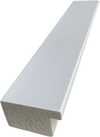
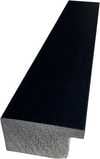
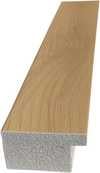
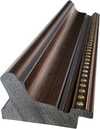
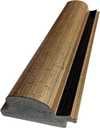
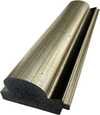
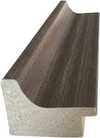
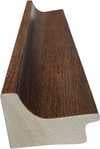
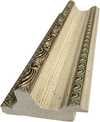
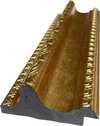
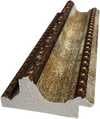
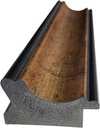
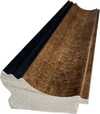
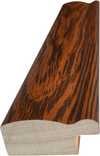
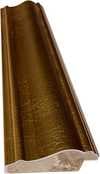

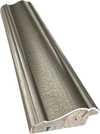
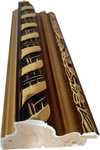

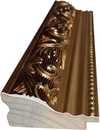
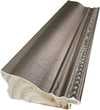
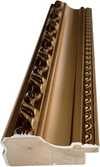

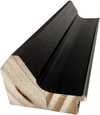
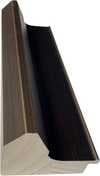
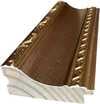
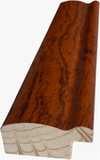
Vali meie eelmääratud suurused, mis vastavad teose algupärastele proportsioonidele.

Sisestage vajalik laius ja kõrgus, et see sobiks teie raamile või seinale. Trükki saab ainult lõigata, seda ei saa kunagi pildist suuremaks teha, seega ka erineva mustega suurus kaotab osa pildist. Enne trükkimist saadame teile kinnitamiseks digitaalse näidisprojektsiooni. Sellel lehel näidatud pilt ei kujuta reaalset lõiget — seda näitab ainult näidisprojektsioon.
Ülemaailmne tarne () 2 nädala jooksul, tavalise 4/5 nädala asemel. (24 detsember)
Economy poly-canvas trükis saadetakse tavapäervise postiga, mistõttu ei ole võimalik kasutada kiirtoodangut ega ekspress-kullerit.
Oiseau
Reproduktsiooni suurus
Ülemaailmline tarne () tavapostiga 3–4 nädalas. (24 detsember)
Max Ernst’s “Oiseau (Bird)” – often referred to as “L'Oiseau Mère” or "The Mother Bird" – is not merely a depiction of avian form; it’s an immersion into the subconscious, a distilled fragment of the artist’s intensely personal and profoundly unsettling vision. Painted in 1951, during a period of considerable artistic evolution for Ernst, this work exemplifies his masterful manipulation of technique—particularly his innovative use of *grattage* – to create textures that vibrate with hidden meaning. The painting immediately draws the eye with its stark contrast: a pale beige, almost parchment-like background punctuated by the assertive red outline of the bird itself. This deliberate simplicity belies a complex layering of symbolism and psychological exploration.
Ernst’s approach to composition is strikingly unconventional. The bird, rendered in bold, uneven lines, occupies a central position within the frame, yet its incompleteness—the gaping “hole” where its belly should be—is profoundly unsettling. This deliberate absence isn't simply a technical oversight; it speaks volumes about themes of vulnerability, loss, and perhaps even the fragmented nature of selfhood – ideas that were central to Ernst’s broader artistic concerns during this period. The bird’s head, a simplified circle with a single blue eye, possesses an almost childlike quality, further amplifying its sense of innocence juxtaposed against the unsettling void within its form.
To fully appreciate “Oiseau,” one must understand Ernst’s groundbreaking technique of *grattage*. Developed in 1925, this method involved applying paint to a canvas and then vigorously scraping it away with a palette knife or other tool. This process created a textured surface—a map of the underlying materials—that was then layered with subsequent paint applications. In “Oiseau,” the *grattage* technique is particularly evident in the mottled background, which resembles aged paper or fabric – a deliberate choice that evokes a sense of history and decay. The rough edges of the bird’s outline further contribute to this tactile effect, inviting the viewer to engage with the painting on a sensory level.
The use of red as the dominant color is also significant. Red, in Ernst's work, often represents passion, danger, and even death – potent symbols that resonate throughout his oeuvre. Here, it serves to highlight the bird’s vulnerability and its precarious existence within the stark landscape. The limited palette—primarily beige, red, and blue—reinforces this sense of austerity and emotional restraint.
“Oiseau” firmly situates itself within the broader context of Surrealist art, a movement that sought to unlock the creative potential of the unconscious mind. Ernst was a key figure in the development of Surrealism, alongside artists like Salvador Dalí and René Magritte. His work frequently explored themes of dreams, mythology, and psychological trauma – subjects often considered taboo during the early 20th century. The bird itself is laden with symbolic weight; birds have long been associated with freedom, spirituality, and transformation in art and literature.
Interestingly, Ernst’s fascination with birds extended beyond mere aesthetic interest. He developed an alter ego, “Loplop, the Bird Superior,” a recurring figure in his writings and artwork, embodying qualities of wisdom, cunning, and even danger. This personal mythology informs our understanding of "Oiseau," suggesting that the bird is not simply a representation of nature but also a projection of Ernst’s own complex psyche.
“Oiseau” remains a powerfully evocative work, inviting multiple interpretations. It can be seen as a meditation on loss and incompleteness, a poignant reflection on the fragility of life, or even a symbolic representation of the artist’s own struggles with identity and self-doubt. Regardless of one's interpretation, the painting’s enduring appeal lies in its ability to tap into fundamental human emotions—a sense of vulnerability, longing, and perhaps even a touch of melancholy. It stands as a testament to Ernst’s genius – his capacity to transform simple materials into profound expressions of the inner world.
Trükis: teos Oiseau on reprodukteeritud giclée-trükkina puuvillasel lærvarõkal või Epson'i arhivipaberil.
Suurused on vahemikus 39.3 x 25.4 cm (€45) kuni 246.5 x 159.4 cm (€335); sellel lehel olev tabel on toodud peamised sammud ja nende hinnad.
Torus lahtisena olev trükiseeritud pilt saabub tasuta tavapostiga 3–4 nädalaga; pingitud või raamiga pildid saabuvad 4–5 nädalaga. Express-kulleriga kohaletoimetamine on võimalik vaid tasulise Express-tarne valiku korral. Toote võib tagastada 100 päeva jooksul täies summaga tagasitelemiseks ilma igasuguste tingimusteta.
Acrylic On Canvas

Born in Brühl, Germany, amidst profound global upheaval, Ernst’s artistry was forged in the fires of Dadaist rebellion and Surrealist truth.

Born in the coastal air of Ostend in 1860, Ensor used carnival masks and the grotesque to unmask the human condition through a fever dream of color.

A signed urinal titled Fountain was submitted by Marcel Duchamp in 1917. See how this provocation sparked a revolt against logic and art.

 Eelvaade

 Saada
 Jaga
 Teave teose kohta
 Teosest infokaart


 Laadi alla
 Sarnased teosed
 Röntgenuuring
 Slaidietendus
 KÜSIMUSED JA VASTUSID

 Statistika


 Oiseau täielik kirjeldus

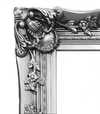
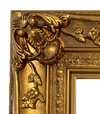
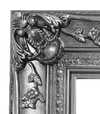


 Klaasivalik on saadaval ainult kuni 110 cm suuruses teostes


