Kunstniku elulugu
Baroki Kalabria rüüt
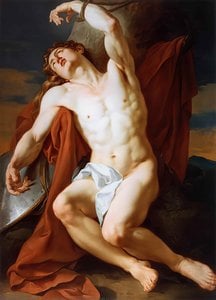
Mattia Preti, tuntud kui Il Cavalier Calabrese – Kalabria rüüt – on 17. sajandi Itaalia baroki maalidustuses asumas võtlik roll. Sündinud Tavernas, Kalabriasse, 24. veebruaril 1613, oli tema kunstiline teekond dünaamiline areng, mis imetas endasse erinevaid mõjutusi ning jõudis lõpuks unikaalselt ekspressiivse stiili, mis jättis tematu jälje kunstimaailma, eriti Maltal, kus ta veetis suure osa oma hilisest elust. Preti esmane koolitus algas Giovanni Battista Caracciolo juures, maalari, kelle teos on sügavalt juurdunud caravaggismis. See aluslik kokkupuude andis talle sügava arusaamise dramaatilisele chiaroscuro'le – intensiivsele valgus- ja varjundimängule – ning pühendumuse realistlikule kujutamisele, mis püsis tema töö tunnustena kogu tema karjääri jooksul. Enne 1630. aastat liitus ta oma vennaga Gregorio Roomis, süvenedes linna kunstilisse kargeks ja õppides meistreid, kes seda ajastut määrasid: Caravaggio, Guercino, Rubens, Guido Reni ja Giovanni Lanfranco. See periood oli otsustav, kujundades mitte ainult tema tehnilisi oskusi, vaid ka tema esteetilist tundlikkust.
Düünaamilise stiili loomine
Preti kunstiline areng ei olnud pelgalt imiteerimine; see oli mõjudude süntees, mis oli oskuslikult punatud tema omaseks stiiliks. Kuigi alguses oli ta sügavalt caravaggismis, liikus ta aegla Heldest sellest rangast piiridest edasi, omakindlustades dünaamikat ja emotsionaalset intensiivsust, mis iseloomustas kõrget barokki. Tema aeg Neaplis täiendas seda arengut, avades talle Luca Giordano kireva loovuse. Selles perioodis nägi Preti lõendit täitudes energiakase liikumisega, keeruliste kompositsioonidega ja suurendatud draamitundega. Ta kasutas meisterlikult Caravaggi pärandist saadud dramaatilisi kontraste valgus ja varjuga, mitte lihtsalt tehnilise vahendina, vaid emotsionaalse mõju tugevdamiseks ja vaataja silma juhtimiseks. Tema kujundid on täidetud kättesaadavusega, mida edastavad ekspressiivsed näogud ja dünaamiline keeleguus. See võime tekitada võimsat tunnet – püha usku, anguist, ekstaasi – sai tema loomingupärandi määravaks omaduseks. Ta ei leanine olnud pelgalt stseenide kujutamisega; ta püüdis neid *elustada*, tuues hingu piiblistikudesse narratiividesse ja religioossetesse ikoonidesse.
Tellimused ja meistriteosed üle Itaalia
Mattia Preti talent leidis kiiresti tunnust, mis viis seeria olulisi tellimusi üle kogu Itaalia. Karjääri alguses lõi ta impressionistlikke fresko-tsükleid Rooma kirjudes, nagu Sant’Andrea della Valle ja San Carlo ai Catinari, demonstreerides oskust suuremõõlises dekoratiivmaliduses. Tema töö Modenas asuvas San Biagio kirikus näitas tema võimet kohandada oma stiili erinevates arhitektuursetes keskkondades. Kuid mõned tema ambitsioosne – kuigi kahast, – teosed olid freskod, mida ta maalis Napolis kaheksaks linnaväravaks, kujutades Neitsi või vägevusi, kes päästavad inimesi mustuse eest. Kuigi täna on säilinud vaid joonised, kinnitavad need nende monumentaalsete loomingute laadimust ja mõju. Need tellimused ei olnud lihtsalt kliendi soovide täitmine; need olid Pretile võimalus olla osa teenitud kogukondade religioosne ja kultuuriline elula, andes oma kunstile tähendust ja eesmärki.
Maltu zenit: St. Johni koelatuskatedraal
Kuid just Maltal saavutas Mattia Preti oma kunstilise saavutuse tipppunkt. Nimetatud St. Johni rüütiks 1660. aastal, alustas ta transformatiivset projekti: Valletta St. Johni koelatuskatedraali siseosa täielikust uuestorendusest. See ettevõtus – argu tema kõige olulisem pärand – hõlmas hämmastavat maalidetsaride sarja, mis kujutas püha Johann Baptistuse elu ja martyrdomi. Projekti tohutu laadim on hinget lõikav; Preti lõi tegelikult visuaalse narratiivi, mis mähkis vaataja endasse, uputades teda pühiku loo sisse. Rikas barokkkeskkond pakkus täiuslikku lõendit tema draamatilisele stiilile ning tulemuslik kunstiteos kinnitas tema mainet kui ühe Euroopa juhtiva maalari. Tema töö St. Johnis ei olnud pelgalt dekoratiivne; see oli pühenduse tegu, tõendus tema usust ja rühma religioonse identiteedi võimas avaldus.
Püsiv pärand
Mattia Preti jätkas tellimuste saamist üle kogu Euroopa pärast oma edukat perioodi Maltal, kinnistades oma positsiooni Itaalia barokkunstide juhtiva tegelasena. Ta surmas 1699. aastal, jättes järele rikkalikku kunstilist pärandi, mis inspireerib ja võlustab publikut ka täna. Tema meisterlik valgus- ja varjundimäng, dünaamilised kompositsioonid ja võime edastada intensiivset emotsiooni on jäänud tema stiili tunnusteks. Tema panused on säilitatud muuseumides nagu Napoli Capodimonte muuseum ning ka reprodusentsioonide kaudu, mis tagavad, et tema kunst jõuab uute põlvkondadeni. Preti töö püsiv mõju on kividest kõige sagedamalt tunda St. Johni koelatuskatedraali seinade sees – see on hinget lõikav tõendus tema kunstiline geniaalsuse ja barokilisele esteetikale pühendumise vastu. Il Cavalier Calabrese vääris oma tiitlit mitte ainult rüütlina, vaid meistrikunstina, kes valgustas maailma oma visiooniga.



 Eelvaade
 Lülita trükkitoodetele
 Saada
Saada Jaga
Jaga
 Teave teose kohta

 Laadi alla
 Sarnased teosed
 Röntgenuuring
 Slaidietendus
 Statistika


 Loe lähemalt






































 Klaasivalik on saadaval ainult suuruses kuni 110 cm