


Sellel lehel kuvatav kunstiteos on kaitstud autoriõigusega, mis tähendab, et meil ei ole seaduslikku õigust luua või müüa identset reproduktsiooni. Seda kaitset rakendatakse rahvusvaheliste kokkulepete alusel, nagu näiteks Berne konventsioon ning riiklike seadustega, sealhulgas nendega, mida on sätestatud USA autoriõiguse seadus – 17. peatükk.
See meetod järgib täielikult autoriõiguse reegleid, kuna see ei põhine kaitstud kunstiteose kopeerimisel või dupliteerimisel. Selle asemel on tegu loova reinterpreetatsiooniga – uue maaldisega, mis on algteosest inspireeritud, kuid ei ole sellest identiline.
Muuseumikvaliteediga giclée- või kangasprint kiire tootmisega ja paindlikud viimistlusvõimalused. ( Osta käsitsi maalatud teos Lülita digitaalse pildi juurde)





























Vali meie eelmääratud suurused, mis vastavad teose algupärastele proportsioonidele.

Sisestage vajalik laius ja kõrgus, et see sobiks teie raamile või seinale. Trükki saab ainult lõigata, seda ei saa kunagi pildist suuremaks teha, seega ka erineva mustega suurus kaotab osa pildist. Enne trükkimist saadame teile kinnitamiseks digitaalse näidisprojektsiooni. Sellel lehel näidatud pilt ei kujuta reaalset lõiget — seda näitab ainult näidisprojektsioon.
Ülemaailmne tarne () 2 nädala jooksul, tavalise 4/5 nädala asemel. (11 november)
Atalanta
Reproduktsiooni suurus
In the sweeping expanse of Matthew Charles Meere’s 1938 masterpiece, Atalanta, the viewer is instantly transported to an era where the boundaries between the mortal and the divine were perpetually blurred. This dynamic oil painting captures a moment of breathless athletic competition, drawing deep inspiration from the legends of classical Greek mythology. The composition centers on a high-stakes race, portraying two male figures locked in a struggle for supremacy; one runner surges forward with determined vigor, while another appears to be faltering, caught in the gravity of defeat. Beside this central drama stands a third figure, perhaps a charioteer or a divine witness, holding a torch that serves as a beacon of both light and destiny. The scene is set against an architectural backdrop reminiscent of ancient Greece, where a silent assembly of spectators watches from the periphery, their presence adding a layer of communal tension to the unfolding spectacle.
Meere’s technical mastery is evident in the way he utilizes a warm, muted palette to evoke a sense of timelessness. The canvas is dominated by earthy tones and soft, sun-drenched hues that lend the scene an antique, almost nostalgic glow. Through a sophisticated application of layered oil paint, the artist achieves a remarkable depth, defining the powerful musculature of the athletes and the fluid, rhythmic movement of their drapery. Every brushstroke contributes to a sense of organic energy, where the textures appear smooth and slightly luminous, catching the soft, diffused light that bathes the landscape. This careful manipulation of light and shadow creates a three-dimensional realism that breathes life into the figures, making the physical exertion of the race feel palpable to the observer.
Beyond its surface beauty, Atalanta serves as a profound meditation on the human condition. The painting is rich with symbolism, representing the eternal struggle for victory, the agony of failure, and the relentless pursuit of excellence. The central conflict between the runners acts as a metaphor for the trials faced in life, where triumph often requires navigating the precipice of collapse. The presence of the torch-bearer introduces an element of divine intervention or perhaps the guiding light of intellect and spirit that oversees human endeavor. For the discerning collector or interior designer, this piece offers more than mere decoration; it provides a narrative anchor for a space, inviting contemplation on themes of resilience and the glory of the struggle.
The historical context of the work further enhances its allure. Created during a period when neo-classical interpretations were finding new life in modern sensibilities, Meere’s work bridges the gap between the grandeur of the past and the refined aesthetics of the early 20th century. As an artist who moved from the vibrant art scenes of London and France to the burgeoning landscape of Australia, Meere brought a cosmopolitan sophistication to his subject matter. This particular piece, characterized by its balanced and symmetrical composition, possesses a monumental quality that makes it an ideal centerpiece for grand interiors. Whether placed in a formal gallery setting or a curated residential collection, Atalanta continues to captivate the soul with its blend of classical realism and idealized beauty.
Matthew Charles Meere dokumenteeritud teemade — classical greek ideals, mythological narrative, human potential & skill, competition & victory, british artistic tradition, early 20th-century style, exploring heroic themes, reflecting societal values — seas paneb teos "Atalanta" erilist tähelepanu teemadel classical mythology, athletic competition, ancient greece, race scene, human form, tricolor palette, dynamic composition.
Teos „Atalanta“, autor Matthew Charles Meere pärineb Modern ajast. See ajastu annab teosele ajaloolise konteksti.
Originaalteost "Atalanta" saab vaadata Art Gallery of New South Wales, Sydney, Australia-is.


1890 - 1961 , Ühendupeksus

Explore the evolution of Greek and Roman myths from Attic pottery to Baroque mastery. Trace the lineage of Western art history with us.

Embark on a sophisticated journey through Italian Baroque art. Discover the dramatic interplay of light and emotion in Caravaggio’s masterpieces and explore how to bring this timeless grandeur into your collection with expert art insights.

Explore the profound power of divine mythology through Baroque masterpieces. From Rubens to Poussin, discover how fine art captures the eternal dance of gods and mortals. Expert insights for elite collectors seeking museum-quality reproductions and bespoke commissions.

Embark on a sophisticated journey through the Sistine Chapel. Discover the profound artistry of Michelangelo’s frescoes, from the iconic ceiling to the altar wall, through an expert exploration of Renaissance mastery and theological depth.
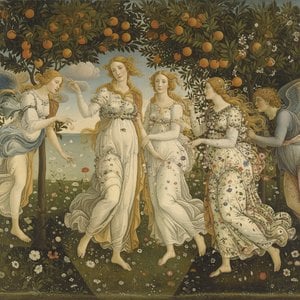
Explore the ethereal beauty of Sandro Botticelli's masterpieces. Delve into the profound symbolism, mythological grace, and technical mastery that define the Italian Renaissance through an expert art-historical lens.
 Eelvaade
 Saada
Saada Jaga
Jaga
 Teave teose kohta
 Juhend

 Laadi alla
 Sarnased teosed
 Röntgenuuring
 Slaidietendus
 KÜSIMUSED JA VASTUSID
 Statistika


 Loe lähemalt









 Klaasivalik on saadaval ainult kuni 110 cm suuruses teostes


