

Hankige trükiivaldatav fail, mis on kvaliteedilt palju parem kui veebilehel näidatud eelvaade. Kõik meie müüdavad digitaalsed pildid pärinevad meie arhiivist kõrge resolutsiooniga originaalfailidest — tavaliselt 5000 kuni 15 000 pikslit laiust — nii et saate julgelt trükida suurematsat, lüüdist teha või detailset sisu reproduktsiooni teha.
Meie stuudiost ei lahtu ükski fail puutumatuna. Digiekpert võrdleb värve algsest maalistimusega ja vajadusel korrigeerib neid, seejärel parandab selgust ja detaile professionaalsete retušimisvahendite abil — püüdes alati jääda truudeks kunstniku pintoonile ja stiilile. Tulemuseks on pilt, mis näeb välja nagu maali, mitte nagu filtreeritud skann.
Teet kinnituse enne lõplikku valmimist: meie ekspert saadab pildi 72 tunni jooksul e-posti ülevaatamiseks. Ei ole rahul? Paluge parandusi või korrektsioone ning kui kvaliteet ei vasta ootustele, võite paluda tagastamist.
See on kvaliteet, millele tuguvad väljaandjad, disainistuudiod, galeriid ja trükikojad.
Laadi alla kõrge resolutsiooniga fail isiklikuks vaatamiseks, trükkimiseks ja loomingulisteks projektideks. ( Lülita trükkitoodetele Osta käsitsi maalatud teos)
Valides WahooArt.com, ei saa sa lihtsalt pilti – saad professionaalselt parandatud digitaalse teose, mida on valmistatud täpsusega ja mis on toetatud rahuldamatusgarantiiga. Siin on kõik, mis sinu tellimusega automaatselt kaasneb:
Teie kõrge resolutsiooniga digitaalne pildifail saadetakse teile e-posti 72 tunni jooksul pärast tellimist – kohe kasutamiseks valmis.
Teie teos on professionaalselt optimeeritud arenenud tehisintellekti tööriistade ja käsitsi redigeerimise abil, tagades maksimaalse detailitaseme, selguse ja värvitäpsuse.
Kas kustutasid faili kogukalu unustamisel või kustutamisel? Puudub mure – saad selle uuesti igal ajal ilma lisatasuta.
Nautige oma teoseid koheselt ilma tolli-, maksude või tarnimaskuludeta – digiletchargused on alati maksuvabadud.
Me tagame, et teie digitaalne pilt kajastaks originaali värve professionaalsete tööriistade ja värvihalduse abil võimalikult täpselt.
Kui te ei ole oma digitaalse pildi eest rahul, siis me parandame seda või tagastame 100% summast 100 päeva jooksul – küsimusteta.
Ei ole rahul? Saate täielise tagastaja 100 päeva jooksul pärast digitaalse faili kättesaamist – ilma küsimusteta.
Osta 3 pilti, säästa 10% - Osta 5, säästa 15% - Osta 10+, säästa 20%. Sobib suurepäraselt loomingulisteks projektideks, galeriideks ja agentuurideks.

Seitste「sada
Seitsenda sajandi Neapoli vibrast ja päikeseloostetud tänavatel, perioodil, mil oli linn üks Euroopa olulisemaid linnakeskusi, astus lavale maalari, kes redefinieeris Itaalia baroki visuaalset keelt. Massimo Stalliione, kes sündis Frattamaggiore'is aastal 1585, ei olnud pelgalt oma aja kunstilise kargeadusest osaleja; ta oli transformatiivne jõud. Kuigi paljud tema kaasajad leppisid rahul ühe stiilipõhja järgimisega, omastas Stanzione haruldast dualist visiooni. Ta saavutas selle, mida paljud pidasid võimatuks: Caravaggio toores ja visceraalne varjundus ning Bolognese kooli rafineeritud, lyriline armsus põimus ühtlases liitmisel. See unikaalne süntesis tõi talle prestiižse nimetuse Neapoli Guido Reni, tähistades teda üritusetu elegantsi ja dramatilise jõu kunstnikuna.
Stanzione kunstilised alused panettiin Neapoli viljakasse mullasse, tõenäoliselt meisterite nagu Fabrizio Santafede ja Battistello Caracciolo õppetööde all. Kuid tema stiililise arengu tõeline katalüsaator oli Caravaggio tenebrismi sügav mõju. Sellest revolutsionaalsest lähenemisviisist omastas Stanzione valgus- ja varjundite meisterlikkust, mis andis tema kujunditele hämmastav, taktilist olekut. Ometi just tema kujutavreiside ajal Roomas — eriti aastatel 1617 kuni 1630 — hakkas tema palett õitsema uue klassikalise sofistikateetiga. Süvenedes Igavuse linna maitsesse, imetas ta endasse Annibale Carracci tasakaalustatud kompositsioone ja Simon Voueti luminööset, uuendatud caravaggismist. See Rooma kogemus võimaldas tal oma noorenuse brutaalset realismist pehmendada idealiseeritud naturalismiga, luues teoseid, mis olid sama palju poeetilisest ilust kui ka dramalist tensionist.
Stanzione tõus Euroopa sotsiaalsetes ja kunstilistes hierarhiates oli otsekui meteoorne. Tema talent tunnustati mitte ainult kirigust, vaid ka kõrgetest sotsiaalsetest tippklassidest ja isegi Paavuseametist. Aast 1621 oli oluline verstamet, mil paavus Gregorius XV kinnitas talle prestiižse Kuldspursi rüütli tiitli. Tema auametid jätkusid korduma ning Urbani VIII reigni allestati teda Kristuse ordeniga, saavutusega, mis tõi talle Hispaanias austatud tiitli Caballero Massimo. Sellised tunnustused peegeldavad karjääri, mis ületas piirid kohalikust käsitöölist, positsioneerides teda rahvusvahelise tähtsusega isikuna.
Tema laia laade iseloomustab märkimisväärne mitmekülgsus, ulatudes intiimsetest, psühholoogiliselt sügavastavast portreitidest kuni monumentaalsete altarilaudade ja laialgaste freskodeni. Mõned tema kõige püsivamad panused kunstimaailma on:
Kui lähenes xvii sajandi poolte aeg, seisid Stanzione koos Jusepe de Ribera Neapoli maalikunstide titaanidena. Koos domineerisid nad kunstimaastikul, luues perioodi intensiivsest konkurendist ja loovast lillendustest. Kuigi Ribera kummaldas Hispaania traditsiooni karkele ja muldale realismile, pakkus Stanzione polišeeritud ja värvikasema alternatiivi, mis kõnetas selle ajastu eliidi esteetilisi tundeid. Tema mõju oli sügav ja laialt ulatuv; tema meetod, kus draamatiline chiaroscuro ühine klassikalise armsusega, sai järgmiste põlvkonnade kohalike kunstnike, eriti suure Francesco Solimenas, eeskujuks.
Kahutavalt tõi just prosperiteedi ajastu, mis võimaldas tema kunstil õitselda, ka endas omaette katastrofi — nendust. 1656. aastal laastas Neapoli läbi äärmuslik ärevus, mis võttis palju elu ja pani linna vibratil kultuuril seisma. Arvatakse, et isegi Stanzione ohras selle epidemias, suredes oma mõju tipphetkel. Kuigi tema elu lühises ära, jäi tema pärand Neapoli kividesse ja kambi into äärendatud. Oma võimet ühendada kargus ja rafineeritus tagas Massimo Stanzione selle, et Neapoli barokki mäletataks igavesti kui perioodit sügava emotsionaalse sügavuse ja suurepärase klassikalise ilu.
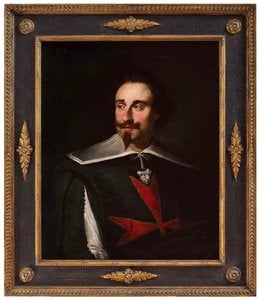
1585 - 1656 , Italia
 Eelvaade
 Saada
Saada Jaga
Jaga
 Teave teose kohta
 Juhend

 Laadi alla
 Sarnased teosed
 Röntgenuuring
 Slaidietendus
 KÜSIMUSED JA VASTUSID
 Statistika
 Loe lähemalt


