Eelvaade AR-eelvaade Osta käsitsi maalatud teos Lülita digitaalse pildi juurde Saada
Teave teose kohta Juhend Lisa lemmikutesse Laadi alla Sarnased teosed Röntgenuuring Slaidietendus Q&A Statistika

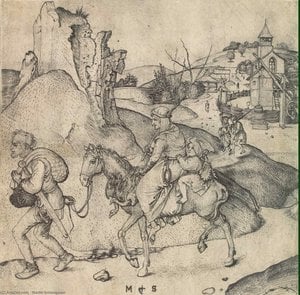
Nativity

Discover Martin Schongauer's 'Nativity,' a stunning 1480 engraving depicting the biblical scene with remarkable detail and Northern Renaissance artistry. A masterpiece of printmaking, showcasing animals & figures in a vibrant portrayal.

Avastage Martin Schongaueri graveeringuid ja maale! Põhja-renessansi detailitruuduse meister, kes mõjutas kunstnikke nagu Michelangelo. Tutvuge tema ikoonilise stiiliga juba täna.

Giclée / Kunstiprint

Muuseumikvaliteediga giclée- või kangasprint kiire tootmisega ja paindlikud viimistlusvõimalused. ( Osta käsitsi maalatud teos Lülita digitaalse pildi juurde)

Corner sample of the P118B picture frame: vormitud polüstüreen, 5 cm wide and 3 cm thick
P118B €10
Corner sample of the P118H picture frame: vormitud polüstüreen, 5 cm wide and 3 cm thick
P118H €10
Corner sample of the P118W picture frame: vormitud polüstüreen, 5 cm wide and 3 cm thick
P118W €10
Corner sample of the P438Z picture frame: vormitud polüstüreen, 5.5 cm wide and 3.5 cm thick
P438Z €10
Corner sample of the P508JH picture frame: vormitud polüstüreen, 7 cm wide and 3.5 cm thick
P508JH €12
Corner sample of the P508YH picture frame: vormitud polüstüreen, 7 cm wide and 3.5 cm thick
P508YH €12
Corner sample of the P805H picture frame: vormitud polüstüreen, 5 cm wide and 3.5 cm thick
P805H €10
Corner sample of the P805Z picture frame: vormitud polüstüreen, 5 cm wide and 3.5 cm thick
P805Z €10
Corner sample of the P919BZ picture frame: vormitud polüstüreen, 7 cm wide and 3.5 cm thick
P919BZ €10
Corner sample of the P919G picture frame: vormitud polüstüreen, 7 cm wide and 3.5 cm thick
P919G €10
Corner sample of the P919XJ picture frame: vormitud polüstüreen, 7 cm wide and 3.5 cm thick
P919XJ €10
Corner sample of the P959ZH picture frame: vormitud polüstüreen, 5 cm wide and 3 cm thick
P959ZH €10
Corner sample of the P968JZ picture frame: vormitud polüstüreen, 6 cm wide and 4 cm thick
P968JZ €12
Corner sample of the W106C picture frame: massivpuit, 5 cm wide and 3 cm thick
W106C €8
Corner sample of the W218G picture frame: massivpuit, 5 cm wide and 3 cm thick
W218G €10
Corner sample of the W218JH picture frame: massivpuit, 5 cm wide and 3 cm thick
W218JH €8
Corner sample of the W218Y picture frame: massivpuit, 5 cm wide and 3 cm thick
W218Y €10
Corner sample of the W307PJ picture frame: massivpuit, 6 cm wide and 3 cm thick
W307PJ €10
Corner sample of the W316G picture frame: massivpuit, 6 cm wide and 3 cm thick
W316G €10
Corner sample of the W316PJ picture frame: massivpuit, 6 cm wide and 3 cm thick
W316PJ €8
Corner sample of the W316Y picture frame: massivpuit, 6 cm wide and 3 cm thick
W316Y €10
Corner sample of the W398PJ picture frame: massivpuit, 5 cm wide and 3 cm thick
W398PJ €8
Corner sample of the W4111J picture frame: massivpuit, 6.5 cm wide and 3.5 cm thick
W4111J €10
Corner sample of the W500HY picture frame: massivpuit, 7 cm wide and 5 cm thick
W500HY €15
Corner sample of the W500JH picture frame: massivpuit, 7 cm wide and 5 cm thick
W500JH €15
Corner sample of the W692G picture frame: massivpuit, 8 cm wide and 4 cm thick
W692G €12
Corner sample of the W849H picture frame: massivpuit, 5 cm wide and 3 cm thick
W849H €8
Corner sample of the W940BG picture frame: massivpuit, 7.5 cm wide and 4.5 cm thick
W940BG €15
Corner sample of the W953PJ picture frame: massivpuit, 6 cm wide and 3.5 cm thick
W953PJ €8

Standardne suurus
kohandatud
CM
INCH

Vali meie eelmääratud suurused, mis vastavad teose algupärastele proportsioonidele.

laius
kõrgus

Sisestage vajalik laius ja kõrgus, et see sobiks teie raamile või seinale. Trükki saab ainult lõigata, seda ei saa kunagi pildist suuremaks teha, seega ka erineva mustega suurus kaotab osa pildist. Enne trükkimist saadame teile kinnitamiseks digitaalse näidisprojektsiooni. Sellel lehel näidatud pilt ei kujuta reaalset lõiget — seda näitab ainult näidisprojektsioon.

Ülemaailmne tarne () 2 nädala jooksul, tavalise 4/5 nädala asemel. (29 oktoober)

Tasuta ekspresssaatmine üle maailma
Kõrgekvaliteediline lina-kangas
Täielik transpordikindlustus
Tollimaksude tagastamise garantii
Värvitoime täpsuse garantii
100 päeva tagastusõigus (ainult valmistusdefektide korral)
100% raha tagasi garantii
Hulgusoodustus

Kogu summa

€ 60

Nativity

Giclée / Kunstiprint

Reproduktsiooni suurus

-

Koguhind

€ 60

Teave teose kohta

  • Artist: Martin Schongauer
  • Movement: Northern Renaissance
  • Artistic style: Realistic detail
  • Influences: Rogier van der Weyden
  • Notable elements: Animals, figures

A Moment of Divine Grace: Martin Schongauer's Nativity

Martin Schongauer’s “Nativity,” painted around 1480, is more than just a depiction of the biblical story; it’s a profound meditation on faith, humility, and the quiet majesty of the divine. Executed in meticulous detail with the characteristic precision of Northern Renaissance art, this work offers a deeply moving glimpse into the heart of Christian belief. Measuring 37 x 28 cm, its intimate scale invites viewers to contemplate the scene with focused attention, drawing them into the sacred narrative.

  • The Scene: The painting portrays the traditional Nativity – Mary kneeling in reverence before Joseph, who cradles the infant Jesus. The presence of animals—two cows and three horses—is not merely decorative; it’s laden with symbolic weight. Animals were often associated with Christ's humility and sacrifice, mirroring the creatures present at his crucifixion.
  • Schongauer’s Technique: Schongauer was a master printmaker, and this painting reflects his extraordinary skill in engraving. His meticulous attention to detail is evident in every brushstroke, from the delicate folds of Mary’s robes to the textured fur of the animals. The use of oil paint allowed for subtle gradations of tone and color, creating a remarkable sense of realism and depth.

A Window into the Northern Renaissance

Schongauer's work stands as a pivotal example of the artistic currents flowing through the Northern Renaissance. Influenced by Early Netherlandish masters like Rogier van der Weyden, he embraced a style characterized by its realism, emotional intensity, and meticulous observation of nature. Unlike the idealized forms often found in Italian art of the period, Schongauer’s figures possess a tangible humanity – their expressions conveying a sense of vulnerability and devotion. The painting's composition reflects the influence of panel painting traditions prevalent at the time, emphasizing narrative clarity and symbolic resonance within a carefully structured space.

  • Historical Context: Created around 1480, this “Nativity” emerged during a period of significant religious and intellectual ferment. The rise of humanism was challenging traditional dogma, while simultaneously fostering a renewed appreciation for classical learning and artistic achievement. Schongauer’s work embodies this tension – a devout expression of Christian faith rendered with the highest standards of technical skill.
  • The Artist's Background: Born in Augsburg, Germany, Martin Schongauer inherited his father’s goldsmithing skills, which profoundly shaped his artistic approach. This training instilled in him an unparalleled ability to render intricate detail and texture, a hallmark of his work. His early apprenticeship with Caspar Isenmann further honed his technical abilities and exposed him to the prevailing artistic trends of the time.

Symbolism and Emotional Resonance

Beyond its technical brilliance, “Nativity” resonates deeply through its carefully considered symbolism. The arrangement of figures—Mary’s kneeling posture, Joseph’s protective embrace of Jesus—evokes a sense of reverence and guardianship. The animals, representing innocence and humility, underscore the central themes of the Nativity: the arrival of the Messiah as a humble servant. The painting's emotional impact is palpable – it invites viewers to contemplate the miracle of birth, the promise of salvation, and the profound love at the heart of the Christian faith. It’s a scene brimming with quiet dignity and spiritual significance.

A Timeless Masterpiece

This hand-painted reproduction captures the essence of Schongauer's masterpiece, offering an exceptional opportunity to bring this iconic work of art into your home or office. Its dimensions (37 x 28 cm) make it suitable for a variety of spaces, while its enduring beauty and profound symbolism ensure that it will remain a cherished addition to any collection. A testament to Schongauer’s genius, this reproduction allows you to experience the power and grace of this timeless depiction of the Nativity.

Korduvad küsimused

Milline kunstnik ja milline stiil seisavad teose "Nativity" taga?

Martin Schongauer lõi teose "Nativity" Northern Renaissance suunaga.

Kuidas teos "Nativity" tasakaalustab valgust ja pimendust?

Teose "Nativity" üldine ere on deep_shadow ning selle luminants on Soft Shadow.

Kust teose „Nativity“, autor Martin Schongauer külastajad pärit on?

Teose "Nativity" jaoks on olemas Statistika leht. See kajastab teose ja kunstniku teiste teoste kuutlikke külastusi riigi ja keele järgi lahutatud statistikaga.


Kunstniku elulugu

Martin Schongauer: Põhjarenessansi Meister ja Graafika Uuendaja

Martin Schongauer, kes sündis umbes 1450. aastal Colmar’is (praegune Prantsusmaa), oli oluline figuur põhjarenessansi graafikakunstis. Ta kasvas kunstnikuperekonnas; tema isa Caspar Schongauer oli kullassepp, kes oli kolis Colmari Augsburgist (Saksamaa) umbes 1440. aastal. See perekondlik taust mõjutas oluliselt Martini varast kunstilist õpetust, kuna kullasepatöö andis tugeva aluse täpsetele detailidele ja metallitöövõtetele – oskused, mida oli võimalik otse graveerimisele üle kanda. Schongaueri perekonna juured Saksamaal ja isa kutse olid määrava tähtsusega tema kunstilise tee kujunemisel.

Koolitus ja Kunstiline Areng

1465. aastal käis Schongauer lühikest aega Leipzigi ülikoolis, kuid ta loobus peagi akadeemilisest karjäärist, et pühenduda täielikult kunstile. Ta õppis alguses maalikunstnik Caspar Isenmanni juures, kohaliku meistri juures, keda mõjutas varane madalamaa maalimine, eriti Rogier van der Weydeni töö. See varajane kokkupuude madalamaa realismiga ja detailitähelepanuga sai Schongaueri enda stiili tunnusjooneks. Tema õpetaja Isenmann aitas tal arendada täpsust ja realistlikku väljendusviisi, mis eristasid tema hilisemaid teoseid.

Kunstiline Stiil ja Mõjud

Schongaueri kunstistiili iseloomustab selge, organiseeritud gooti esteetika, mis on segunenud põhjarenessansi tekkivate mõjude hulga. Ta ei saanud otsest itaalia mõju, vaid ammutas inspiratsiooni saksa ja varasemast madalamaa traditsioonist. Tema töö näitab täpsset detaili, väljendusrikkaid figuure ja keerukat kompositsiooniarusaama. Schongaueri loomingus kohtuvad gooti kunstilise vormikujunduse ranged reeglid ja uue humanismi vaim, mis rõhutab inimese emotsioone ja individuaalsust.

  • Põhijooned: Täpne graveerimine, realistlikud kujutised, dramaatilised narratiivid, gooti struktuur
  • Mõjud: Rogier van der Weyden, Caspar Isenmann, saksa gooti traditsioonid

Peamised Saavutused ja Teosed

Schongauer on kõige paremini tuntud oma 116 graveeringu poolest, mis on kõik tähistatud tema monogrammiga. Need trükid levisid laialdaselt Euroopas, mõjutades oluliselt graafikatehnikate arengut ja kunstilisi stiile. Tema graveeringud kujutasid sageli religioosseid stseene, portreid ja allegoorilisi teemasid. Schongaueri looming ei piirdunud pelgalt tehnilise meisterlikkusega; tema trükid olid ka olulised kultuurilised objektid, mis aitasid levitada uusi ideid ja kunstilisi vorme.

  • Roosipuu Madonna (1473): Oluline maali näidis, mis demonstreerib tema oskust kujutada õrnu detaile ja emotsionaalset sügavust.
  • Graveeringud: Sealhulgas *Püha Antoniuse kiusamine*, *Karjaste kummardamine* ja arvukad teised, mis demonstreerivad tema meisterlikkust graveerimistehnikas. Tema graveeringute valik on eriti tähelepanuväärne oma narratiivse jõu ja psühholoogilise sügavuse poolest.

Ajalooline Tähtsus ja Pärand

Martin Schongaueri mõju kunstimaailmale oli oluline. Ta oli üks esimesi saksa kunstnikke, kes saavutas rahvusvahelise tunnustuse graveerijana. Tema trükid olid väga nõutud ja laialdaselt kopeeritud, levitades tema kunstilist stiili üle Euroopa. On dokumenteeritud, et Michelangelo ise uuris ja kopeeris ühte Schongaueri graveeringut – *Püha Antoniuse katsetust* – mis demonstreerib suurt austust, mida hilisemad meistrid Schongaueri suhtes tundsid. Tema looming oli sillaks gooti kunsti ja renessansi vahel, sillutades teed kunstnikele nagu Albrecht Dürer.

Schongaueri innovatiivne graveerimistehnikate kasutamine ja pühendumine kunstilisele detailile jättis püsiva pärandi graafikakunstisse ja põhjapoolse Euroopa kunsti ajalukku. Tema looming on jätkuvalt allikas inspiratsiooni ja imetlust kunstiajaloolastele ja kunstihuvilistele üle maailma.

Surm

Martin Schongauer suri Breisachis 2. veebruaril 1491, jättes maha tähelepanuväärse loomingu, mida jätkuvalt tähistatakse selle kunstilise väärtuse ja ajaloolise tähtsuse eest.

Martin Schongauer

Martin Schongauer

1450 - 1491 , Saksamaa

Lühikest infot

  • Kunstiliikumine: Põhja-renessanss
  • Mõjutajad: ['Rogier van der Weyden']
  • Mõjutatud Kunstnikud: ['Michelangelo']
  • Rahvus: Saksa
  • Surma Aeg: 2. veebruar 1491
  • Sündimiskoht: Colmar, Prantsusmaa
  • Sünniaeg: u 1450
  • Tuntud Teosed: ['Madonna roosaias']
  • Täisnimi: Martin Schongauer
Avastage teoseid, mis on koondatud teemade, stiilide ja omaduste kaupa.