Mark Rothko varajad aastad
Mark Rothko sündis 1903. aastal Markus Jakovlevitš Rothkovitš. Ta sündis Venemaal, Dvinskis, kohas, mis on tänapäeval tuntud kui Läti Daugavpils. Tema pere elas Juudi asula piirkonnas, mis oli politikaebast ja pogromide pideva varju all olev alue. See ebakindluse atmosfäär kaasas peret ka siis, kui nad 1913. aastal Ameerika Ühendusriikidesse emigreerisid. Pärast Ellis Islandi läbimist asustasid nad Oregonis, Portlandis.
Tema isa Jacob töötas apteekerina. Ta oli intellektuaalne mees sotsialistlike vaadete kogumiga, kes oli loonud kodu, mille keskpunktiks olid õppimine ja debatt. See sügava mõttemõttelise keskkonna rahvust katkestas ootamatu kadu. Pärast seda, kui pere Ameerikasse jõudis, suris Jacob koonusekanserisse. See varane kaotus ja immigrante kohta olemine kujendasid vaikselt alustala mehele, keda ta tulevikus saada.
Kunstiline harjutus ja varajad aastad New Yorkis
Üleminek New Yorki linna tõi endaga uue suunata. Pärast Yale ülikoolis veedetud aega viis linna magnet himladest eemale akadeemilisest õppekonstruktsioonist. Ta otsis oma harjutust täiendamiseks Art Students League'ist. Need varajad aastad olid tema pintli jaoks pühvendud konkreetsele ja käbedavale maailmale. Ta maalas portreid ja linnavaateid, pöödates hoolikalt tähelepanu inimkehadtele ja linna tänavate mustale mustale. Tema looming oli juurdunud realismis, püüdes tabama füüsilist maailma enne, kui abstraktsiooni lainekõla tema tööd üle võttis.
Kuni jõudis 1940. aastani, tegi ta otsuse muuta oma nimi Mark Rothko'ks. See oli üleminekueas, kus ta liikus eemale oma noorepedasest struktureeritud esitlusviisist. Tähelepanu hakkas liblid üles linna tuntud objektidest suunas ebamäärasema ja sügavama poole. Ta otsis viisi, kuidas väljendada inimkogemuse raskust, ilma et ta peaks t relyma ümbrivõla maailma igasugustele täpselt tuvastatavatele kuju- ja vormivõikendustele.
Areng suunas abstraktse ekspressionismini
1940ndate edenedes hakkas tema varasemate aastate hoolikas realism kaduma. Fookus pöördugi eemale linnavaadete ja portreede selgetest detailidest, suunudes hoopis surrealismi ja müütoloogia keele poole. Ta kasutas neid teemasid, et leida viis inimemõtte sügavate emotsioonide väljendamiseks. Sellise perioodi maalidel esinesid sageli biomorfilised kujud – vormid, mis tundusid kõljuvalt rippuvad, jäädes seisma ebakindlasse olekus, kus nad ei olnud enam täielikult figuure ega täiesti abstraktseid.
See ajastu märkis tema liitumist Ameerika abstraktse ekspressionismi liikumisele. Ta hülgas objektide struktureeritud maailma, et uurida midagi sügavamalt sisemist. Lõppfaasi liiendid ei olnud enam keskendunud sellele, kuidas asi välja näeb, vaid pigem sellele emotsioonile, mida see kannab. Ta otsis viisi, kuidas edastada inimlikkuse keerukust läbi kuju ja müti.
Värvikate Põldude Maalimise Arenemine
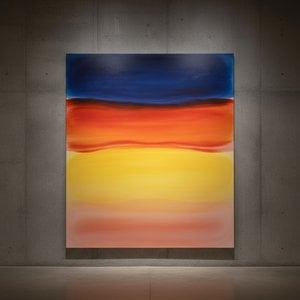
1940ndate lõpuks hakkas tema looming radikaalselt muutuma. Ta liikus eemale figuuride vormidest ja mütoloogilistest lugudest, eemaldades kõik äratuntavad kujundid, et leida midagi otsesemat ja puhtammat. Maalide mõõtmed kasvama läksid ning neid täis oli suured, ühelised ja rõhikujulised värviblokid, mis näisid õhus rippuvat või hõlkuvat. Need vormid ei olnud pelgalt pindalised kujundid, vaid tundusid eksisteerivat sügavas, hingavates ruumis. See üleminek märkis tema täiskasvanud perioodi algust – aega, mis on tihedalt seotud värvikate põldude (Color Field) maalimise sünniga.
Värvi rakendamine oli aeglane ja mitmekihiline protsess. Ta kasutas õhukke pigmentkihte, et ehitada pinda üles, luues peeneid toonimuutusi ja tekstuurseid variatsioone. Need kihid võimaldasid valgusel tunduda olevat pärislikult koos teksti, nagu see tulaks otse kangasest endast. Värviliste kujude servad ei olnud kunagi teravad; vastupidi olid need hägusenud ja pehmed, muutes erinevate toonide vahelist piiri läbivaid ja hägusenud. See meetod pöördis iga lina ning kangase vaikustava, rütmika ja sügava olevalisuse paikks.
Tehnika ja värvi keel
Tema looming relies on a specific, quiet method of layering. Ta rakendas õlivärvi õhva kihte, ehitades pinnast läbi hoolikalt hoolikalt läbi läbipaistvate kihtide. See protsess loob sametise tekstüüri, mis näib hoidvat valgust pigendi sees, mitte lihtsalt peegeldavat seda pinnal. Selle asemel, et kasutada teravaid liide, on temaastastrektide vormide servad on udused, võimaldades värvidele üksteist vastu voolata ja hõluda. Need suured värviblokid on mõeldud looma sügavustunnet, tehes kunstilauast hingama kõla.
Ta eemaldas kõik pealkirjad, mis võiksid viidata konkreetsele teemale või narratiivile. Paljud puuvõlud kannavad vaid lihtsaid numbroid, nagu No. 1 või No. 6, jättes vaataja seisma värvi ees ilma eelneva arvamusteta. See valik sunnib otsese kokkupuhte värviga. Ta kasutas neid luminöösseid laaksid, et püüda alla spetsiifilisi, raskaid inimemotsioone: tragediia, ekstaas ja kurbus. Tööde mõõtust on mõeldud kehitlema inimesekujise ees seisvat, muudades vaatamise tegevuse vaikseks ja immersiivseks kogemuseks.
Peamised tellimustööd ja freskoprojektid
Mark Rothko looming läks sageli üle üksikese lapi või kanga piiride, täidando kogu ruumi. Ta pühendas märkimisväärse osa oma ajast Seagrami freskoidele – seeriaid maale, mis olid mõeldud New Yorkis asuvas restoranis paikaks. Lõpuks aga otsustas ta, et valitud keskkond ei soobi tema teostele, ning donateeris need Londoni Tate Gallery'le. Tema huvi selle vastu, kuidas värv ruumi täidab, viis ka Harvardi freskoide sarjani, mis loodi Holyoke Keskuse söögisaali jaoks.
Texasi osariigis Houstonis jättis ta jätkeks nelja lõõtsu maali Rothko kapelli jaoks. See denominatsioonivaba pühakoda sisaldab teoseid erinevades musta toonides. Need maalid on ruumi arhitektuuriga nii ühtseks vormiks saadud, et need loovad eraldatud ja vaikese mõtlemise keskkonna. Need suured kompositsioonid on mõeldud kohtuma vaatajaga täpselt tema seisukohas, täistes kogu perifeerse nägemisala värviga.
Hädamlikud aastad ja tragöödia
Tema vlastest loomingu raskus tundis tal sageli rasket koormat. Kogu elu jooksul kustutas depressioon tema üle pideva varjuna, kaasates igapäevaselt tema otsinguid emotsionaalse tõe poole. Ta elas vaosustatud eksistentsi, tõmbudes sageli tagasi vaiklikesse kohtadesse, mida tema hiiglaslikud lamedad pinnad nõudsid. Tema süvenenud keskendumine inimlikule olevikule — tragöödiatale, ekstaasile ja kurbusele — ei olnud pelgalt harjutus pintslile, vaid reaalsus, mida ta kandis oma sees.
Elulõpus muutus see sisune võõrandamatuks. 25. veebruaril 1970 suris Mark Rothko oma stuudios eneseinfünnule. Ta oli 66-aastane. Tema surm jäeti jätkama tohutut teoste kogumikku, olles sealhulka palju lõimematuid või osa suurest maalide koziist, mida tema pere ja testamentaarised täitjad pidi hiljem navigeerima läbi keeruliste õiguslikud vaidluste.
Tema kunstile jääv perimus
Tema oleku raskus jääb vaatlejasse, måõdetud måhel, kuidas tema lamedad kangad ruumi täidavad. Ta jäeti jätkama pärand, mis sisaldas 798 maali – tohutu kogumik, mis on jätkuvalt kaasaegse kunsti ajaloo vankumatu tulm. Tema ülemineku suunamine suuri, luminöösseid värgirektangleid ehk värvikihte täitavate vormide poole aitas määratleda abstraktse ekspressionismi liikumust ning mõjutas hiljem ka minimalistlikku suunata. Need teosed ei tugi vaataja tähelepanu püüdmiseks tuttavatele kujunditele; selle asemel loovad nad sügavust värvi aeglise ja rütmika hingamise abil.
Tema mõju on tunda järglaste lähenemises kangelendusele kui psühholoogiliseks ja vaimulikuks uurinud ruumiks. Eraldades välja narratiivse segaduse, muutus ta viisi, kuidas inimesed suhtuvad värvi füüsilisse reaalsusesse. Tema maalid on tunnustatud kui mõnda 20. sajandiku kunstiajaloo olulisemat teost, mida leiab sageli suuremate institutsioonide püsikogumistest, nagu New Yorki Museum of Modern Art ja Londoni Tate Modern. Tema tööde laius neelab sageli perifeerse nägemise, sundides vaatajat vaikikusse ja meditatiivsesse staatusesse.
- No. 6 (Lilla, roheline ja punane)
- Oranž, punane, kollane (1961)
- N.10 (1958)
Kus tema teoseid täna näha saab
Tema lamedate pindade ees seismine on kui värvi rütmi ja kaali kordumine vaikses ruumis. New Yorkis hoiab Moodsa Kunsti Muuseum (MoMA) mitu tema teost. Atlandi üle pakub Londoni Tate Modern sarnast ruumi, kus saab istuda tema hiiglaslikult vormide ääres. Washingtoni D.C.-s hoiab National Gallery of Art tema maalide kollektsiooni, kus valgus puudutab õli-värvikihte nii, et paljastatakse sügavus, mida ta püüdis läbi õhukeste värvikihtide.
Houstonis, Texasos, on olemas eriline vaikus, mida pakub Rothko kapell. See on denominatsioonivaba pühakoda, mis sisaldab neliteist tema maali erinevates musta toonides. Hoone arhitektuur, oktaagon, mis on kirjatud Graegi risti kujule, sai inspiratsiooni kunstist ise. See on jäänud kohaks vaikustavaks mõttele, kus teoste massiivsus on mõeldud inimesese, kes nende ees seisab, täielikult oma endasse hõlmama.
Latvia Daugavpilis asub Rothko muuseum Daugavpilsi kindluse ajaloolises artilleriasalas. See institutsioon on Euroopas ainuke koht, kus esitletakse tema pärandist laenatud originaalmaalide püsivat näitust. Külastajad võivad leida tema tööd Rothko saalis – ruumis, mis on loodud just nende spetsiifiliste lamedate pindade jaoks, austades samal ajal tema päritolu.
- No. 1 (päevasid märkimata)
- Three (päevasid märkimata)
- No. 3/No. 13 (päevasid märkimata)
- No. 10 (päevasid märkimata)
- Magenta, Black, Green on Orange (päevasid märkimata)
- White over Red (päevasid märkimata)


 Eelvaade
 Saada
Saada Jaga
Jaga
 Teave teose kohta
 Juhend

 Laadi alla
 Sarnased teosed
 Röntgenuuring
 Slaidietendus
 KÜSIMUSED JA VASTUSID
 Statistika

 Loe lähemalt
 Lülita trükkitoodetele





































 Klaasivalik on saadaval ainult kuni 110 cm suuruses teostes