x
EelvaadeEelvaade AR-eelvaadeAR-eelvaade Osta print Osta printOsta käsitsi maalitud maal Osta käsitsi maalitud maal SaadaSaada
Teave teose kohtaTeave teose kohta Lisa lemmikutesse Lisa lemmikutesse Laadi allaLaadi alla Sarnased teosedSarnased teosed RöntgenuuringRöntgenuuring SlaidietendusSlaidietendus

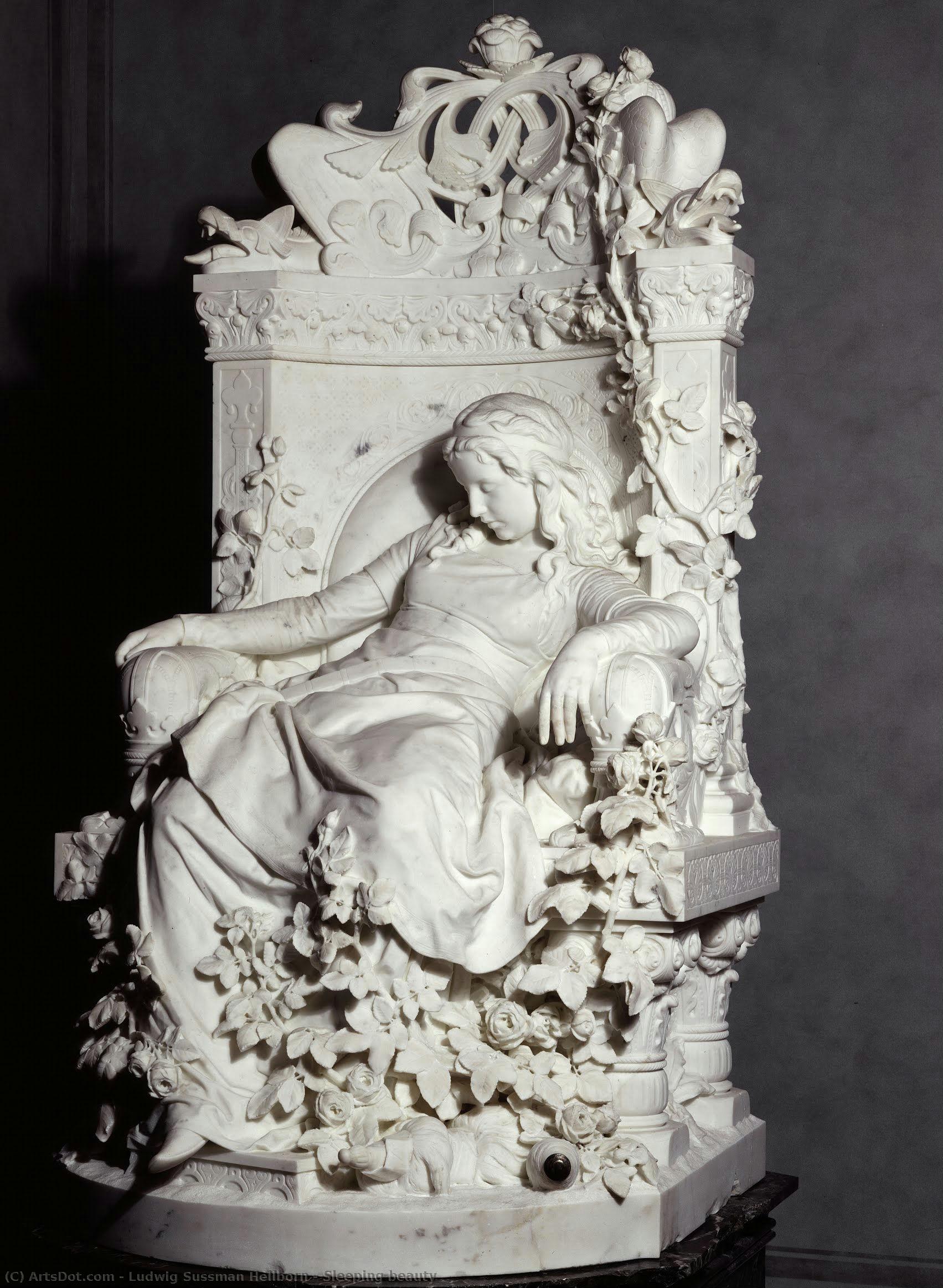
Sleeping beauty

Ludwig Sussmann-Hellborn (1828-1908) was a renowned German sculptor & painter, known for allegorical works, enamel designs & museum contributions. Explore his sculptures like 'Sleeping Beauty' and legacy at the Old National Gallery.

Ostke kõrglahutusel ja täiustatud digitaalne pilt, mis on oluliselt parem kui veebilehel näidatud eelvaade.

Iga fail on meie spetsialistide poolt hoolikalt ette valmistatud, kasutades kaasaegseid tööriistu ja professionaalset käsitsi retušeerimist. Tagame, et igal pildil on erakordne selgus, täpne värvitäpsus ja peen detail.

Lõplik fail saadetakse e-posti teel 72 tunni jooksul, olles optimeeritud koheseks kasutamiseks professionaalsetes, toimetuslikes ja trüki keskkondades. See on sama kvaliteet, mida usaldavad tipptasemel disainistuudiod, kirjastused ja galeriid.

Digitaalne kunstiteos

Laadi alla kõrge resolutsiooniga fail isiklikuks vaatamiseks, trükkimiseks ja loomingulisteks projektideks. (Osta print Osta printOsta käsitsi maalitud maal Osta käsitsi maalitud maal)

Lõppsumma

$ 24,90

Sisse kuulub iga digitaalse pildi tellimusega

Eksperdi digitaalne kohaletoimetamine, garanteeritud

Valides WahooArt.com, ei saa sa lihtsalt pilti – saad professionaalselt parandatud digitaalse teose, mida on valmistatud täpsusega ja mis on toetatud rahuldamatusgarantiiga. Siin on kõik, mis sinu tellimusega automaatselt kaasneb:

shipping_icon
Kiire digitaalne saatmine

Teie kõrge resolutsiooniga digitaalne pildifail saadetakse teile e-posti 72 tunni jooksul pärast tellimist – kohe kasutamiseks valmis.

canvas_icon
Tehisintellektiga täiustatud digitaalne fail

Teie teos on professionaalselt optimeeritud arenenud tehisintellekti tööriistade ja käsitsi redigeerimise abil, tagades maksimaalse detailitaseme, selguse ja värvitäpsuse.

insurance_icon
Tasuta eluaegne uuesti saatmine

Kas kustutasid faili kogukalu unustamisel või kustutamisel? Puudub mure – saad selle uuesti igal ajal ilma lisatasuta.

tax_icon
Puuduvad importimaksed – alati

Nautige oma teoseid koheselt ilma tolli-, maksude või tarnimaskuludeta – digiletchargused on alati maksuvabadud.

color_icon
Värvitäpsuse garantii

Me tagame, et teie digitaalne pilt kajastaks originaali värve professionaalsete tööriistade ja värvihalduse abil võimalikult täpselt.

return_icon
60-päevane rahulolu garantii

Kui te ei ole oma digipildiga rahul, parandame seda või tagastame 100% summast 60 päeva jooksul – küsimusi ei esita.

guarantee_icon
100% raha tagastamise garantii

Ei ole rahul? Saate täielise tagastaja 60 päeva jooksul pärast digitaalse faili kättesaamist – küsimata.

discount_icon
Suurema tellimuse soodustused

Osta 3 pilti, säästa 10% - Osta 5, säästa 15% - Osta 10+, säästa 20%. Sobib suurepäraselt loomingulisteks projektideks, galeriideks ja agentuurideks.


Kunstniku biograafia

The Sculptor's Vision: The Life and Legacy of Ludwig Sussmann-Hellborn

Ludwig Sussmann-Hellborn (1828–1908) remains a luminous figure in the tapestry of nineteenth-century German art, a creator whose hands moved with equal grace between the fluid strokes of a painter's brush and the resolute chisel of a sculptor. Born in Berlin into a Jewish family of modest origins, his journey was one of profound cultural synthesis. His early years in the vibrant, intellectually charged atmosphere of Berlin provided a foundation of enlightenment ideals, yet it was his rigorous training at the prestigious Berlin Academy of Arts that truly forged his technical mastery. This academic discipline, centered on anatomical precision and expressive dynamism, served as the bedrock upon which he would later build much more imaginative and ethereal structures. As his artistic hunger grew, Sussmann-Hellborn ventured far beyond the borders of Prussia, embarking on transformative travels through France, Belgium, and England. These journeys were not merely sightseeing expeditions but deep immersions into the prevailing currents of European aesthetics. In the Parisian ateliers, he refined a painterly sensitivity to light and tone, while his time in Rome between 1852 and 1856 allowed him to commune directly with the ghosts of classical antiquity. This period of Roman residence was pivotal, instilling in him a reverence for classical form that would forever haunt the delicate marble of his later sculptures.

A Mastery of Form and Narrative

The true brilliance of Sussmann-Hellborn lies in his ability to breathe life into inanimate matter, capturing the ephemeral essence of myth and emotion. His sculptural oeuvre is celebrated for its serene beauty and a psychological depth that transcends simple representation. One cannot discuss his legacy without mentioning his most iconic achievement, the marble masterpiece Dornröschen (Sleeping Beauty), completed in 1878. In this work, he achieved a breathtaking feat of technical skill, rendering the softness of skin and the delicate drape of fabric in cold stone, all while weaving a narrative of enchantment and profound stillness. His artistic range extended into the realm of allegorical and mythological subjects, where he explored themes of longing, beauty, and the human condition. Works such as Italian Braid, Drunken Faun, and Abandoned Psyche demonstrate a command over texture and form that suggests a deep dialogue with both the grandeur of the Belgian Baroque and the burgeoning emotionality of English Romanticism. His ability to blend these disparate influences—the meticulousness of German training with the atmospheric sensitivity of French Impressionistic tendencies—created a unique aesthetic language that was both timeless and contemporary to his era.

Artistic Entrepreneurship and Historical Significance

Beyond the studio, Sussmann-Hellborn was a man of significant influence within the cultural infrastructure of Berlin. He was not merely an observer of the art world but an active architect of its institutions. His role as a founder of the Royal Museum of Decorative Arts and his involvement in cultivating the sculpture collection at the Royal Museum in Berlin speak to a lifelong commitment to the preservation and promotion of artistic excellence. Furthermore, his tenure as the head of the Royal Porcelain Manufactory (KPM) in Berlin from 1882 to 1887 highlights his versatility as an artist capable of applying high-art principles to the decorative arts and enamel design. His life was also marked by a sophisticated social presence; his villa in the Tiergarten district became a celebrated landmark, frequented by the intellectual and artistic elite of Berlin. This intersection of art, commerce, and social prestige allowed him to act as both an artist and a prominent art contractor, bridging the gap between creative vision and institutional development. Today, his contributions are preserved in the halls of the Alte Nationalgalerie and other esteemed collections, serving as a testament to a man who did not just witness the evolution of nineteenth-century art but actively helped shape its enduring form.
ludwig sussman hellborn

ludwig sussman hellborn

1828 - 1908 , Germany

Lühikesed faktid

  • Artistic Movement Or Style: Romanticism
  • Artists Or Movements Influenced By This Artist: ['Symbolism']
  • Artists Who Influenced This Artist:
    • Jean Auguste Ingres
    • Gustav Klimt
  • Date Of Birth: March 20, 1828
  • Date Of Death: August 15, 1908
  • Full Name: Ludwig Sussmann-Hellborn
  • Nationality: German
  • Notable Artworks:
    • Italian braid
    • Drunken faun
    • Abandoned psyche
  • Place Of Birth: Berlin, Germany