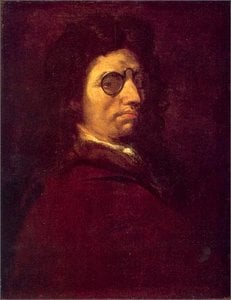
Luca Giordano (1634–1705): The Triumph of the Neapolitan Painting
Luca Giordano, born Oct. 18, 1634, in Naples—the vibrant heart of the late Baroque—was a name that instantly resonated with artistic fervor and prolific creativity. He wasn’t merely an artist; he was a force reshaping architectural spaces and captivating audiences across Italy and Spain. His father, Antonio Giordano, instilled in him early artistic sensibilities, but it was under the tutelage of Jusepe de Ribera that Luca truly honed his distinctive style—a style characterized by dramatic intensity and unflinching realism. This formative apprenticeship bequeathed an indelible mark, evident in Giordano’s initial works' brooding palette and masterful depiction of human figures. Yet, unlike Ribera’s somber aesthetic, Giordano possessed a natural inclination toward luminosity and movement—qualities that would ultimately define his singular artistic vision. Even then, he earned the moniker “Luca fa presto”—Luca, Work Quickly—a testament to his remarkable speed and seemingly boundless energy. He wasn't simply skilled; he was capable of capturing profound emotion and dazzling spectacle with an ease that astonished contemporaries.
From Naples to Spain: A Career Driven by Commissions and Transformation
Giordano’s artistic trajectory transcended geographical boundaries, propelled by royal commissions and fueled by journeys across Italy and beyond. Establishing himself as a rising star in Naples—a city brimming with artistic patronage—he sought opportunities in Rome, Florence, and Venice, absorbing the diverse influences of each metropolis like a sponge. In Venice, he studied the monumental frescoes of Titian and Veronese, embracing their opulent color palettes and dynamic compositions—a stark contrast to Ribera’s tenebristic approach. Florence witnessed him undertake ambitious fresco cycles, most notably in the dome of the Corsini Chapel at Chiesa del Carmine, showcasing his burgeoning mastery of illusionistic space and narrative storytelling. However, it was his decade-long engagement with Spain (1682–1692)—appointed as court painter to Charles II—that cemented his international renown and irrevocably altered the artistic landscape of the Iberian Peninsula. Recognizing the need for a revitalizing infusion of Italian dynamism into Spanish art, Giordano transformed Madrid’s Biblioteca Riccardiana into an immersive spectacle of color and grandeur—a testament to his ability to synthesize disparate stylistic traditions into a harmonious whole.
A Synthesis of Styles: Giordano's Signature Technique
Giordano’s genius lay not in inventing entirely new artistic methods but in skillfully merging existing techniques into a remarkably fluid and expressive style. He drew inspiration from Ribera’s dramatic realism—capturing the psychological depth of his subjects with unflinching honesty—and Veronese’s luminous colorism—creating canvases ablaze with vibrant hues that defied conventional limitations. Simultaneously, he embraced Pietro da Cortona's innovative compositional strategies—transforming architectural spaces into dynamic visual narratives that engaged viewers on a visceral level. His brushwork was characterized by its freedom and spontaneity—producing an impression of effortless grace—and he eschewed rigid formalism in favor of ornamentation—filling his canvases with intricate details and swirling draperies—a hallmark of his mature style. This multifaceted approach allowed him to tackle a vast spectrum of subjects – from biblical scenes and mythological tales to portraits and decorative schemes – with equal conviction.
Notable Achievements & Artistic Legacy
Giordano’s prolific output—estimated at over six hundred paintings and numerous fresco cycles—stands as an unparalleled achievement in Baroque art history. His monumental frescoes in Naples Cathedral and various palaces continue to inspire awe and admiration, demonstrating his mastery of illusionistic space and narrative storytelling. Perhaps his most enduring legacy resides in the Corsini Chapel dome—a breathtaking testament to his artistic vision—where he achieved a remarkable synthesis of stylistic influences, creating an immersive experience that transcends time. Furthermore, Giordano trained numerous pupils who carried forward his stylistic innovations throughout Italy and Spain, ensuring his influence persisted beyond his own lifetime. His work served as a bridge between the High Baroque and Rococo periods—introducing a lighter, more playful aesthetic into European art.
Key Works & Artistic Connections
- The Judgment of Paris (Berlin Museum): Giordano’s masterful depiction of classical mythology exemplifies his vibrant color palette and dynamic composition.
- Christ with the Doctors in the Temple (Corsini Gallery, Rome): Demonstrates his skill in religious narrative and mastery of light and shadow—a technique honed under Ribera's guidance.
- Frescoes in Florence & Naples: Monumental achievements transforming architectural spaces into immersive visual experiences—reflecting Pietro da Cortona’s pioneering compositional innovations.
- Influences: Jusepe de Ribera, Titian, Veronese, Pietro da Cortona
Luca Giordano (1634–1705) remains one of the most celebrated and prolific Neapolitan painters of the late Baroque—a figure whose artistic legacy continues to resonate with artists and art lovers worldwide.



 Eelvaade
 Lülita trükkitoodetele
 Saada
Saada Jaga
Jaga
 Teave teose kohta

 Laadi alla
 Sarnased teosed
 Röntgenuuring
 Slaidietendus
 Statistika


 Loe lähemalt






































 Klaasivalik on saadaval ainult suuruses kuni 110 cm