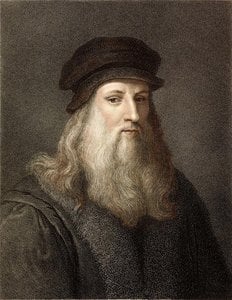
Study for the Last Supper (1494) autor Leonardo Da Vinci, meistri poolt käsitsi maalatud õlimaali reproduktsioon
Eelvaade AR-eelvaade Lülita trükkitoodetele Lülita digitaalse pildi juurde Saada
Teave teose kohta Juhend Lisa lemmikutesse Laadi alla Sarnased teosed Röntgenuuring Slaidietendus KÜSIMUSED JA VASTUSID Statistika

Study for the Last Supper Käsitsi maalatud õlimaal reproducing

Mõõtmed
266.0 x 214.0 cm

Experience the profound psychological tension of Leonardo da Vinci's High Renaissance study for The Last Supper, a masterful exploration of human emotion through sfumato that invites you to possess a piece of history.

Avastage Leonardo da Vinci (1452-1519): Mona Lisa ja Viimase õhtusöögi renessanssgenius! Avastage tema sfumato tehnika, anatoomiauuringud ja murdilavad leiutised.

Käsitsi valmistatud õlimaalireproduktsioon

Meie kunstnike poolt tellimusel valmistatud käsitsi maalitud õli-kainaste teos teie soovitud suuruses ja raamis. ( Lülita trükkitoodetele Lülita digitaalse pildi juurde)

Corner sample of the P118B picture frame: vormitud polüstüreen, 5 cm wide and 3 cm thick
P118B €10
Corner sample of the P118H picture frame: vormitud polüstüreen, 5 cm wide and 3 cm thick
P118H €10
Corner sample of the P118W picture frame: vormitud polüstüreen, 5 cm wide and 3 cm thick
P118W €10
Corner sample of the P438Z picture frame: vormitud polüstüreen, 5.5 cm wide and 3.5 cm thick
P438Z €10
Corner sample of the P508JH picture frame: vormitud polüstüreen, 7 cm wide and 3.5 cm thick
P508JH €12
Corner sample of the P508YH picture frame: vormitud polüstüreen, 7 cm wide and 3.5 cm thick
P508YH €12
Corner sample of the P805H picture frame: vormitud polüstüreen, 5 cm wide and 3.5 cm thick
P805H €10
Corner sample of the P805Z picture frame: vormitud polüstüreen, 5 cm wide and 3.5 cm thick
P805Z €10
Corner sample of the P919BZ picture frame: vormitud polüstüreen, 7 cm wide and 3.5 cm thick
P919BZ €10
Corner sample of the P919G picture frame: vormitud polüstüreen, 7 cm wide and 3.5 cm thick
P919G €10
Corner sample of the P919XJ picture frame: vormitud polüstüreen, 7 cm wide and 3.5 cm thick
P919XJ €10
Corner sample of the P959ZH picture frame: vormitud polüstüreen, 5 cm wide and 3 cm thick
P959ZH €10
Corner sample of the P968JZ picture frame: vormitud polüstüreen, 6 cm wide and 4 cm thick
P968JZ €12
Corner sample of the W106C picture frame: massivpuit, 5 cm wide and 3 cm thick
W106C €8
Corner sample of the W218G picture frame: massivpuit, 5 cm wide and 3 cm thick
W218G €10
Corner sample of the W218JH picture frame: massivpuit, 5 cm wide and 3 cm thick
W218JH €8
Corner sample of the W218Y picture frame: massivpuit, 5 cm wide and 3 cm thick
W218Y €10
Corner sample of the W307PJ picture frame: massivpuit, 6 cm wide and 3 cm thick
W307PJ €10
Corner sample of the W316G picture frame: massivpuit, 6 cm wide and 3 cm thick
W316G €10
Corner sample of the W316PJ picture frame: massivpuit, 6 cm wide and 3 cm thick
W316PJ €8
Corner sample of the W316Y picture frame: massivpuit, 6 cm wide and 3 cm thick
W316Y €10
Corner sample of the W398PJ picture frame: massivpuit, 5 cm wide and 3 cm thick
W398PJ €8
Corner sample of the W4111J picture frame: massivpuit, 6.5 cm wide and 3.5 cm thick
W4111J €10
Corner sample of the W500HY picture frame: massivpuit, 7 cm wide and 5 cm thick
W500HY €15
Corner sample of the W500JH picture frame: massivpuit, 7 cm wide and 5 cm thick
W500JH €15
Corner sample of the W692G picture frame: massivpuit, 8 cm wide and 4 cm thick
W692G €12
Corner sample of the W849H picture frame: massivpuit, 5 cm wide and 3 cm thick
W849H €8
Corner sample of the W940BG picture frame: massivpuit, 7.5 cm wide and 4.5 cm thick
W940BG €15
Corner sample of the W953PJ picture frame: massivpuit, 6 cm wide and 3.5 cm thick
W953PJ €8

Standardne suurus
kohandatud
CM
INCH

Vali meie eelmääratud suurused, mis vastavad teose algupärastele proportsioonidele.

laius
kõrgus

Sisestage vajalik laius ja kõrgus, et teos sobiks teie raamile või seinale. Kuna tegu on käsipainatud teosega, siis erineva kujuga suuruse korral võib kunstnik jätta pildi ümber veidi rohkem marginaali või lõigata osa ära — valik on teie. Enne maali alustamist saadame teile kinnitamiseks digitaalse näidisprojektsiooni. Sellel lehel näidatud pilt ei kajasta tegelikku tulemust — seda näitab ainult näidisprojektsioon.

Näited muudetavatest elementidest: asenda nägu kliendi fotoga; lisa lemmikloom (nt asenda kass koeraga); lisa taustale peidetud sõnum; muuda tausta maastikku või elemente.
Pärast tellimust saadab WahooArt.com meeskond kliendile e-posti juhised ning esitab eelvaate kavandi

Maailmline tarne 3–4 nädala jooksul tavalise 5 nädala asemel. (3 november). Kvaliteedis kompromisse ei tehta.

Tasuta ekspresssaatmine üle maailma
Kõrgekvaliteediline lina-kangas
Täielik transpordikindlustus
Tollimaksude tagastamise garantii
Värvitoime täpsuse garantii
100 päeva tagastusõigus (ainult valmistusdefektide korral)
100% raha tagasi garantii
Hulgusoodustus

Kogu summa

€ 243

Study for the Last Supper

Reproduktsiooni tehnika

Reproduktsiooni suurus

-

Koguhind

€ 243

Teave teose kohta

  • Movement: Renaissance
  • Notable elements or techniques: Detailed sketching & preparatory study
  • Artistic style: High Renaissance
  • Dimensions: 266 x 214 cm
  • Medium: Oil paint on poplar panel
  • Title: Study for The Last Supper

Kunstiteaduse kvartett

Iga küsimuse kohta on ainult üks õige vastus.

Küsimus 1:
What is the primary subject matter of Leonardo da Vinci’s ‘Study for the Last Supper’?
Küsimus 2:
The image description highlights several artistic elements. Which technique is prominently featured in the painting?
Küsimus 3:
Where can you find Leonardo da Vinci’s ‘The Last Supper’?
Küsimus 4:
Why is this artwork considered a significant achievement of the Renaissance?
Küsimus 5:
What does the depiction of the figures around the table convey about the scene?

A Glimpse into the Divine Mind

To encounter Leonardo da Vinci's Study for the Last Supper is to step directly into the workshop of a genius, witnessing the raw, electric moment before a masterpiece was solidified. Created around 1494, this profound preparatory work serves as much more than a mere sketch; it is a window into the psychological architecture of the High Renaissance. While the final mural in Milan captures the monumental scale of the event, this study offers an intimate, almost whispered meditation on faith and human frailty. It captures the precise instant where the divine intersects with the mortal, as Leonardo meticulously maps out the complex web of emotions that would soon define one of history's most iconic compositions.

The subject matter is deeply rooted in the Christian tradition, depicting the pivotal moment of the Passover meal where Jesus Christ reveals his impending betrayal. However, through Leonardo’s eyes, the scene transcends simple religious iconography. He focuses intensely on the humanity of the apostles—their startled gestures, their furrowed brows, and the palpable tension that ripples through the group. It is a study of motion and reaction, an attempt to freeze the very essence of shock and devotion within a single, unified frame.

The Mastery of Light and Shadow

Technically, this work showcases Leonardo’s unparalleled command over sfumato, his signature technique of soft, smoky transitions. Rather than relying on harsh, definitive outlines, the artist employs subtle gradations of tone to blur the boundaries between figures and their environment. This creates an ethereal, dreamlike atmosphere where light seems to emerge from within the subjects themselves. The delicate application of medium—often involving pen, ink, and subtle washes—allows for a depth of shadow that gives the composition a sculptural, three-dimensional quality.

For the discerning collector or interior designer, the aesthetic value of this study lies in its sophisticated use of chiaroscuro. The interplay between light and dark does not merely provide structure; it directs the viewer's eye through the narrative, pulling attention to the central figure of Christ while allowing the peripheral apostles to recede into a mysterious, atmospheric gloom. This technique lends the piece an enduring elegance that complements both classical and contemporary spaces, offering a sense of profound intellectual depth.

A Legacy of Universal Genius

The historical context of this study is inseparable from the spirit of the uomo universale—the universal man. Working under the patronage of Ludovico Sforza in Milan, Leonardo was simultaneously a scientist, an engineer, and an artist. This duality is evident in the meticulous attention to anatomical accuracy and spatial perspective found within the sketch. Every hand gesture and facial expression is calculated with scientific precision to evoke a specific emotional response, making the work a triumph of both observation and imagination.

Owning a high-quality reproduction of this study allows one to bring a piece of the Renaissance soul into a modern setting. It is an invitation to contemplate the complexities of human interaction and the eternal search for meaning. Whether placed in a quiet study, a grand gallery, or a curated living space, this artwork serves as a powerful focal point, inspiring awe through its historical weight and captivating all who linger before its enigmatic, shadowed beauty.

Korduvad küsimused

Milline värv domineerib teose „Study for the Last Supper“, autor Leonardo Da Vinci kompositsioonis?

Teose „Study for the Last Supper“, autor Leonardo Da Vinci domineeriv värv on White (#eee5e1).

Kas ma saan teost „Study for the Last Supper“, autor Leonardo Da Vinci enne tellimist eelvaatata?

Teose „Study for the Last Supper“, autor Leonardo Da Vinci eelvaade on saadaval teose Eelvaade lehel.

Millises materjalis on teos „Study for the Last Supper“, autor Leonardo Da Vinci valmistatud?

Teose "Study for the Last Supper" loomisel kasutas Leonardo Da Vinci Oil tehnikat. See tehnika määrab originaalteose materjalilise olemuse.


Kunstniku elulugu

Leonardo da Vincini elu ja pärand

Leonardo di ser Piero da Vinci, kes sündis 1452. aastal Itaalias, Toscana küla Vinci lähedal, on tõlgistatav kui renessanssiaja universaalselt tuntudim tegelane – tõeline polühistor, kelle ardamatu uudishimu tõuked viisid teda läbi erinevate valdkondade, jättides tematu jälje kunstile, teadusele ja inseneri-tehnikale. Tema nimi on muutunud geniaalsuse sümboliks, olles tunnistus tema erakordsele talendi laiusele ja visionäärsele mõttemustile. Sündinud abieluvälise lapseks notar Piero da Vincile ja talupojale Caterinale, oli Leonardo varajane elu ebatavaline, kuid pakkus talle samas ligipääsu nii praktilisele maailmale kui ka looduse hindamisele, mis kujundas sügavalt tema kunstilist visiooni. Ta sai algõpetust lugemise, kirjutamise ja arvutamise osas, kuid just tema õppeesitlus Andrea del Verrocchio juures Floreentses linnas tekitas tõeliselt tema loovsuse sädeme. Verrocchio töökojas ei õppinud Leonardo mitte ainult maalima või skulptoriks saama; ta oli kastetud tehniliste oskuste maailma, omandades metalltöötluse, viilimise, joonistamise ja kunstilise loomise keerukuste meisterlikkuse – see oli alus, millele ta ehitas oma mitmekülgse geniaalsuse. Isegi selle kujundaval perioodil ringlesid kuulupäratused tema erakordse talendi kohta, viidates isegi sellele, et Verrocchio ise loobis maalamist pärast Leonardo ülemuse nägemist.

Milano uuendused ja kunstiline õitsemine

1482. aastal alustas Leonardo uut peatükki, astudes Milano hertogi Ludovico Sforza teenistusse. See ei olnud pelgalt kunstiline ametikoht; Leonardo tegeles hovil sotsiaalselt oluliste rollidena kui sõjamehaanikeer, arhitekt, skulptor ja disainer – see on tõestus tema mitmekülgsuse kohta. Ta loovitas uuenduslikke kindlustusi, projekteeris elaboraatseid lavakujundusi ja joonistas isegi plaanid fantaasiapäraste masinate jaoks. Kuid just sellel perioodil alustas ta töötamist ühe oma ikoonilisema meistriteose üle: Viimane õhtusöök. See fresko, mis asub Santa Maria delle Grazie kloostri refektööris, ületab peldaalt puhtalt esitavat funktsiooni; see on sügav uurimine inimemotioonide ja psühholoogilise drama kohta, tabades täpselt hetke, mil Krist kuulutab välja oma reetmise. Kompositsioon, mis oli oma ajale uuanduslik, ning perspektiivi meisterlik kasutus mõjutaksid Lääne kunsti sagedust sajandeid.

Tagasipöördemine Floreentsa ja täiuslikkuse otsimine

Pärast Prantsuse invasiooni Milanos 1499. aastal pöördus Leonardo tagasi Floreentsa, linna, mis koges oma kunstilise arengu tipphetke. Kuigi sel ajal valmis tema teoseid vähem, oli nende mõju hiiglaslik. Just siin alustas ta töö sellega, mis sai maailma kuulsaimaks maaliduks: Mona Lisa (La Giudonda). Teema salapärane naer ja vangitsev pilk on võlustanud vaatajategas genetsioni, samas kui Leonarda revolutsiooniline sfumato tehnika – pehme üleminek valgusest varjule, et luua hämarad kontuurid ja atmosfäärne perspektiiv – aitas oluliselt maali etereelist olemust. See periood nägi ka tema anatoomiatööde pidevat tärakujundamist, mida juhtis vankumatu soov mõista inimvormi teadusliku täpsusega. Ta lahkas kadavre, dokumenteerides hoolikalt lihaseid, luusid ja elundid ühes sarjas uskumatult üksikasjalikke joonistusi, mis olid oma ajast sajandeid ees.

Pärand beyond kunsti: Teadus, leiutised ja igavene mõju

Leonarda hiljumad aastad marksitud reisidega Floreentsa, Milanosse ja Roomasse; teda otsiti alati tema ekspertiisi pärast, kuid sageli jäid projektid lõpetamata – see on ehk peegeldus tema rahutu intellekti ja huvide tohutustest ulatusest. 1516. aastal võttis ta vastu kuningas Francis I kutse elada ja töötada Prantsusmaal, Amboise lähedal asuvas Château du Clos Lucé lossis, kus ta veetas oma viimased aastad. Ta surmas seal 1519. aastal, jättes järele tohutut pärandit, mis ulatub kaugele kunsti valdkonnast. Tema märkmikud paljastavad pioneerset tööd anatoomias, optikas, hüdraulikas, geoloogias ja kartograafias ning konseptualiseeritud leiutisi, mis olid oma ajast sajandeid ees, sealhulgas lendumasinad, tankid ja edasioptunud relvastust. Leonardo da Vincini mõju kunstile on mõõdamatu. Ta tõi kunstnike staatuse oskuslikest käsitöölistest intellektuaalseteks tegelasteks, demonstreerides, et kunstiline loovus võib olla teadusliku uurimise ja looduse sügava arusaamuse alusel. Tema maaleid tähistatakse nende realismi, psühholoogilise sügavuse ja uuenduslikkuse eest. Ta jääb inimliku uudishimu, loovuse ja teadmiste vankumatute otsingute sümboliks – renessantsi vaimu tõeline kehastus, kelle pärand jätkub meid inspireerimas ka sajandeid pärast tema surma.

Olulised saavutused ja igavene mõju

  • Maalimine: Mona Lisa, Viimane õhtusöök, Kivid seas Neitsi, Teatuse ilmumine
  • Joonistamine ja sketsid: Laialdased anatoomilised uuringud, Inženeritehnilised projektid (lendumasinad, relvad), Botaanilised illustratsioonid
  • Teadus ja inseneritehnika: Pioneerne töö anatoomias, optikas, hüdraulikas, geoloogias ja kartograafias. Konseptualiseeritud leiutised, mis olid oma ajast sajandeid ees.
Leonardo Da Vinci

Leonardo Da Vinci

1452 - 1519 , Itaalia

Lühikest infot

  • Artistic Movement Or Style: Reenessanss
  • Artists Or Movements Influenced By This Artist: ['Reenessanssikunst']
  • Artists Who Influenced This Artist: ['Andrea del Verrocchio']
  • Date Of Birth: 15. aprill 1452
  • Date Of Death: 2. mai 1519
  • Full Name: Leonardo da Vinci
  • Nationality: Itaalia
  • Notable Artworks:
    • Mona Lisa
    • Viimane õhtusöök
    • Vitruviuse mees
  • Place Of Birth: Vinci, Itaalia
Avastage teoseid, mis on koondatud teemade, stiilide ja omaduste kaupa.