TASUTA KUNSTIKONSULTATSIOON

x
Telli trükis Telli trükisTellimaks maali Tellimaks maali SaadaSaada
DetailidDetailid Lisa lemmikutesse Lisa lemmikutesse Laadi allaLaadi alla Sarnased teosedSarnased teosed RöntgenuuringRöntgenuuring SlaidietendusSlaidietendus

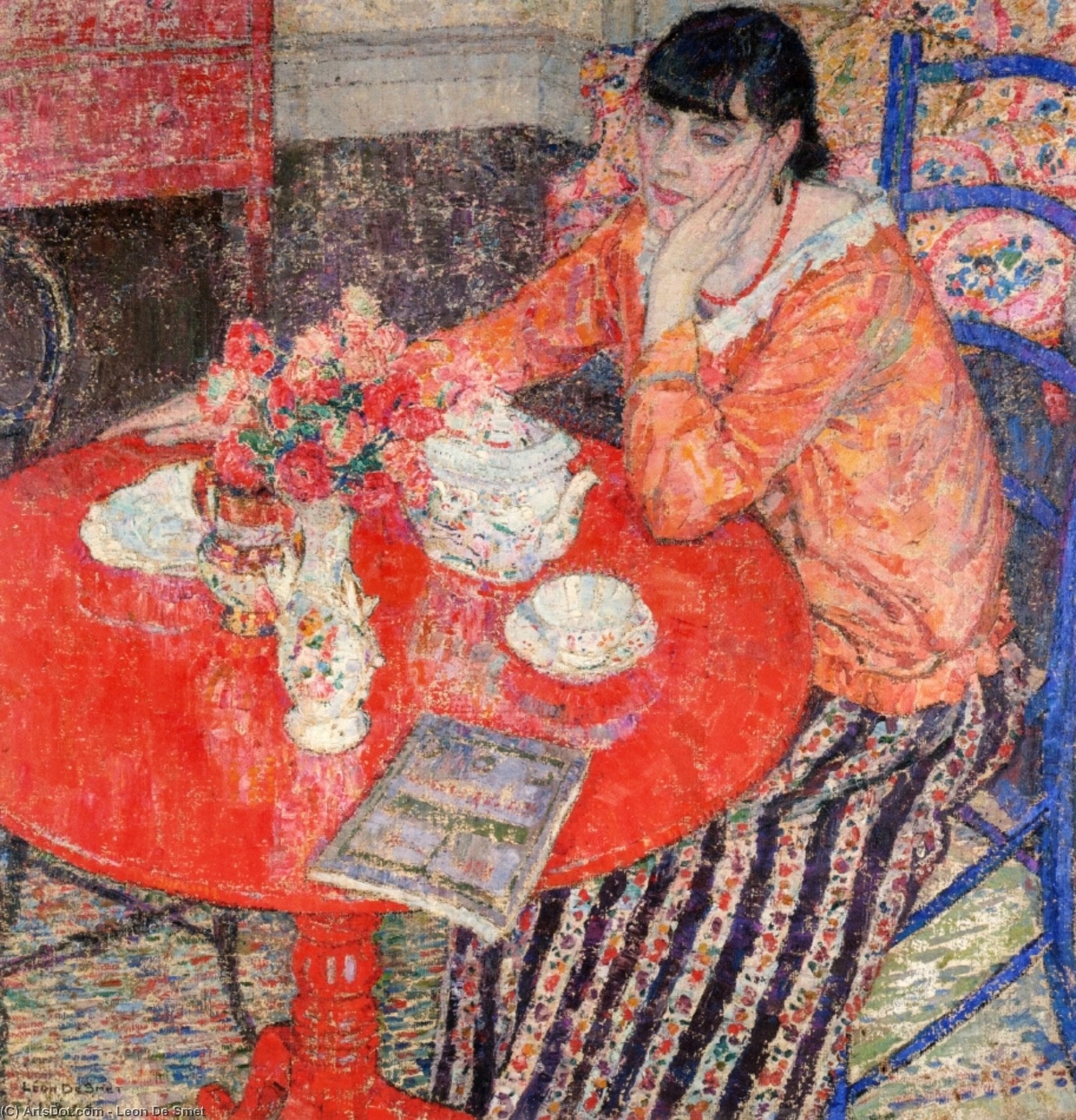
The Red Table

Discover Leon de Smet, Belgian artist known for his architectural paintings & Renaissance influences. Explore his works in Mantua & Florence.

Ostke kõrglahutusel ja täiustatud digitaalne pilt, mis on oluliselt parem kui veebilehel näidatud eelvaade.

Iga fail on meie spetsialistide poolt hoolikalt ette valmistatud, kasutades kaasaegseid tööriistu ja professionaalset käsitsi retušeerimist. Tagame, et igal pildil on erakordne selgus, täpne värvitäpsus ja peen detail.

Lõplik fail saadetakse e-posti teel 72 tunni jooksul, olles optimeeritud koheseks kasutamiseks professionaalsetes, toimetuslikes ja trüki keskkondades. See on sama kvaliteet, mida usaldavad tipptasemel disainistuudiod, kirjastused ja galeriid.

Digitaalne kunstiteos

Laadi alla kõrge resolutsiooniga fail isiklikuks vaatamiseks, trükkimiseks ja loomingulisteks projektideks.

Lõppsumma

$9.99

Sisse kuulub iga digitaalse pildi tellimusega

Eksperdi digitaalne kohaletoimetamine, garanteeritud

Valides WahooArt.com, ei saa sa lihtsalt pilti – saad professionaalselt parandatud digitaalse teose, mida on valmistatud täpsusega ja mis on toetatud rahuldamatusgarantiiga. Siin on kõik, mis sinu tellimusega automaatselt kaasneb:

shipping_icon
Kiire digitaalne saatmine

Teie kõrge resolutsiooniga digitaalne pildifail saadetakse teile e-posti 72 tunni jooksul pärast tellimist – kohe kasutamiseks valmis.

canvas_icon
Tehisintellektiga täiustatud digitaalne fail

Teie teos on professionaalselt optimeeritud arenenud tehisintellekti tööriistade ja käsitsi redigeerimise abil, tagades maksimaalse detailitaseme, selguse ja värvitäpsuse.

insurance_icon
Tasuta eluaegne uuesti saatmine

Kas kustutasid faili kogukalu unustamisel või kustutamisel? Puudub mure – saad selle uuesti igal ajal ilma lisatasuta.

tax_icon
Puuduvad importimaksed – alati

Nautige oma teoseid koheselt ilma tolli-, maksude või tarnimaskuludeta – digiletchargused on alati maksuvabadud.

color_icon
Värvitäpsuse garantii

Me tagame, et teie digitaalne pilt kajastaks originaali värve professionaalsete tööriistade ja värvihalduse abil võimalikult täpselt.

return_icon
60-päevane rahulolu garantii

Kui te ei ole oma digipildiga rahul, parandame seda või tagastame 100% summast 60 päeva jooksul – küsimusi ei esita.

guarantee_icon
100% raha tagastamise garantii

Ei ole rahul? Saate täielise tagastaja 60 päeva jooksul pärast digitaalse faili kättesaamist – küsimata.

discount_icon
Suurema tellimuse soodustused

Osta 3 pilti, säästa 10% - Osta 5, säästa 15% - Osta 10+, säästa 20%. Sobib suurepäraselt loomingulisteks projektideks, galeriideks ja agentuurideks.

Sarnased teosed


Kunstniku biograafia

Leon de Smet: Bridging Renaissance and Modernity

Leon de Smet (1881-1966) wasn’t merely a Belgian painter; he was a translator of eras, seamlessly blending the grandeur of the Renaissance with the burgeoning spirit of modernism. Born in Ghent, into a family steeped in artistic tradition – his father a set decorator and photographer, his brother Gustave also pursuing a career as an artist – de Smet's early life provided him with a unique foundation for his future explorations of light, form, and atmosphere. His training at the Royal Academy of Fine Arts in Ghent, while perhaps not marked by fervent enthusiasm (as his brother’s trajectory suggests), nonetheless instilled him with fundamental techniques and a deep appreciation for artistic history.

De Smet's early work reveals an immediate engagement with Impressionism, heavily influenced by the Luminist movement spearheaded by Emile Claus. This initial phase is characterized by a delicate handling of light and color, capturing fleeting moments and atmospheric effects with remarkable sensitivity. However, it was not long before he began to push beyond mere imitation, seeking to synthesize his influences into a distinctly personal style. The pivotal moment in this evolution arrived with his encounter with Henri Le Fauconnier, an Expressionist painter who introduced de Smet to the bolder, more emotionally charged techniques of the movement. This shift marked a significant departure from the Luminism that had initially defined his work, paving the way for a richer and more complex artistic vocabulary.

The Mantuan Echoes: Renaissance Revival

De Smet’s most celebrated period unfolded during his time in Italy, particularly in Mantua and Florence. These experiences proved transformative, igniting within him a profound fascination with the art of the High Renaissance. He meticulously studied the works of artists like Andrea del Verrocchio and Leonardo da Vinci, absorbing their mastery of perspective, anatomy, and composition. This deep immersion resulted in a series of paintings that deliberately evoke the spirit of the Renaissance – not through slavish imitation, but rather through a careful selection of motifs, color palettes, and compositional devices.

Works like “Interior” exemplify this revival. The painting’s warm, inviting atmosphere, reminiscent of a wealthy merchant's home, is achieved through a masterful use of impasto – thick layers of paint applied with visible brushstrokes – that create a tactile sense of texture and depth. The figures are rendered with a classical elegance, their poses imbued with a quiet dignity and grace. De Smet’s ability to capture the subtle nuances of light and shadow, combined with his meticulous attention to detail, creates an illusion of realism that is both captivating and profoundly moving.

A Fusion of Styles: Luminism, Impressionism, and Cubism

Despite his embrace of Renaissance ideals, de Smet never abandoned the influences that had shaped his artistic development. His work remains a fascinating synthesis of various styles – Luminism, Impressionism, and even elements of Cubism. The Luminist’s emphasis on capturing fleeting moments and atmospheric effects is evident in his landscapes, while the Impressionists' use of color and brushwork contributes to the vibrancy and immediacy of his paintings. And yet, there are also hints of Cubism in his flattened perspectives and fragmented forms, particularly in works depicting urban scenes and interiors.

This eclectic approach is most strikingly evident in his later years, as he settled in Deurle and began experimenting with new techniques. His subjects shifted to include circus performers, fairground attractions, and village life – scenes that he rendered with a distinctive blend of realism and abstraction. These paintings are characterized by bold colors, dynamic compositions, and a sense of theatricality that reflects the artist’s lifelong fascination with spectacle and illusion.

Legacy and Recognition

Leon de Smet's artistic legacy is one of quiet brilliance and enduring appeal. While he may not be as widely recognized as some of his contemporaries, his paintings possess a unique charm and sophistication that continues to captivate viewers today. His ability to seamlessly blend Renaissance ideals with modern sensibilities, coupled with his masterful technique and evocative imagery, has secured his place as one of Belgium’s most important artists of the 20th century. His work is held in several public collections, including the Municipal Museum Gustave de Smet in Sint Martens-Latem, a testament to his lasting contribution to the world of art.

leon de smet

leon de smet

1881 - 1966 , Belgium

Lühikesed faktid

  • Artistic Movement Or Style: Luminism, Renaissance
  • Artists Or Movements Influenced By This Artist: ['Gustave De Smet']
  • Artists Who Influenced This Artist: ['Emile Claus']
  • Date Of Birth: July 20, 1881
  • Date Of Death: 1966
  • Full Name: Leon De Smet
  • Nationality: Belgian
  • Notable Artworks:
    • Interior
    • Woman At The Window
    • Still Life Vase…
  • Place Of Birth: Ghent, Belgium