


Sellel lehel kuvatav kunstiteos on kaitstud autoriõigusega, mis tähendab, et meil ei ole seaduslikku õigust luua või müüa identset reproduktsiooni. Seda kaitset rakendatakse rahvusvaheliste kokkulepete alusel, nagu näiteks Berne konventsioon ning riiklike seadustega, sealhulgas nendega, mida on sätestatud USA autoriõiguse seadus – 17. peatükk.
See meetod järgib täielikult autoriõiguse reegleid, kuna see ei põhine kaitstud kunstiteose kopeerimisel või dupliteerimisel. Selle asemel on tegu loova reinterpreetatsiooniga – uue maaldisega, mis on algteosest inspireeritud, kuid ei ole sellest identiline.
Muuseumikvaliteediga giclée- või kangasprint kiire tootmisega ja paindlikud viimistlusvõimalused. ( Osta käsitsi maalatud teos Lülita digitaalse pildi juurde)





























Vali meie eelmääratud suurused, mis vastavad teose algupärastele proportsioonidele.

Sisestage vajalik laius ja kõrgus, et see sobiks teie raamile või seinale. Trükki saab ainult lõigata, seda ei saa kunagi pildist suuremaks teha, seega ka erineva mustega suurus kaotab osa pildist. Enne trükkimist saadame teile kinnitamiseks digitaalse näidisprojektsiooni. Sellel lehel näidatud pilt ei kujuta reaalset lõiget — seda näitab ainult näidisprojektsioon.
Ülemaailmne tarne () 2 nädala jooksul, tavalise 4/5 nädala asemel. (8 november)
Mujer y el mar
Reproduktsiooni suurus
Joy St Clair Hester's "Mujer y el mar" (Woman and the Sea) is not merely a depiction of a female figure; it’s an immersion into a realm of introspective melancholy, rendered with a masterful command of ink and charcoal. Completed in 1956, this work stands as a poignant testament to Hester's signature style – a deeply emotive exploration of human experience, often tinged with a subtle undercurrent of sadness and solitude. The painting immediately draws the viewer in with its monochromatic palette, dominated by shades of gray, black, and white, creating an atmosphere both stark and profoundly intimate. It’s a deliberate choice that strips away superficiality, forcing us to confront the raw emotion conveyed through form and texture.
The composition is strikingly centered around the woman's face, her gaze directed slightly off-camera – a subtle gesture that invites the viewer into her private world. The horizontal line bisecting the image acts as a grounding element, providing structure without disrupting the overall sense of unease or contemplation. Hester’s technique is characterized by loose, gestural brushstrokes, particularly evident in the delineation of the face and hair. These aren't precise renderings; instead, they are expressive marks that convey movement and feeling. Thick layers of ink build up a rich surface texture, punctuated by softer washes that create subtle gradations of tone – a masterful manipulation of value to suggest depth and form. The use of layering is crucial, building an illusion of space and adding to the painting’s tactile quality; it feels as though you could reach out and trace the contours of her face with your fingertips.
The title itself, “Mujer y el mar,” immediately establishes a powerful symbolic connection. The sea has long been a potent metaphor for both life’s vastness and its inherent uncertainties – a space of mystery, danger, and profound beauty. The woman's posture, her averted gaze, suggests a quiet contemplation, perhaps even a yearning or a sense of isolation. There’s an undeniable vulnerability in her expression, hinting at unspoken emotions and hidden depths. Hester was deeply influenced by the Expressionist movement, prioritizing emotional impact over strict realism. This is evident in the painting’s raw intensity and its willingness to confront difficult themes – loneliness, loss, and the complexities of human relationships. The monochromatic palette further amplifies this sense of introspection, stripping away distractions and focusing solely on the core emotions at play.
To fully appreciate “Mujer y el mar,” it’s essential to understand the context in which it was created. Joy St Clair Hester emerged as a significant figure within Australia's burgeoning modernist art scene during the mid-20th century. She was part of the Heide Circle, a group of artists associated with the Heide Museum complex in Melbourne, and also connected to the “Angry Penguins,” a notoriously rebellious collective known for challenging artistic conventions. Her work reflects this spirit of experimentation and her willingness to explore unconventional themes. Hester’s life itself was marked by personal hardship – the early loss of her father profoundly shaped her artistic vision. Her exploration of female subjects, particularly in works like "Mujer y el mar," offered a rare and powerful voice within a male-dominated art world. The painting's creation coincided with a period of significant social change in Australia, mirroring the growing awareness of gender roles and identity.
Today, “Mujer y el mar” remains a compelling example of Hester’s artistic talent and her ability to evoke profound emotional responses. It is a work that invites contemplation, prompting viewers to consider themes of solitude, introspection, and the enduring power of human emotion. High-quality reproductions capture the painting's rich texture and evocative atmosphere, making it an ideal addition to any art collection or interior space.
Joy St Clair Hester tuntub ära ka nime all Joy Hester.
Teos „Mujer y el mar“, autor Joy St Clair Hester kuulub Expressionism suunasse. See suund annab teosele stilistilise konteksti.
Teose „Mujer y el mar“, autor Joy St Clair Hester vorm on Portrait. See vorm kirjeldab kompositsiooni proportsioone.


1920 - 1960 , Australia
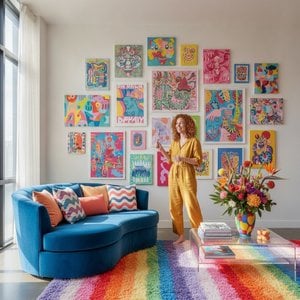
Elevate your home with trend-driven art. Discover how to use vibrant colors and playful textures—from Pop Art to Impressionism—to infuse joy into your space. Learn expert curation tips for creating a sophisticated, high-energy interior through bespoke fine art.
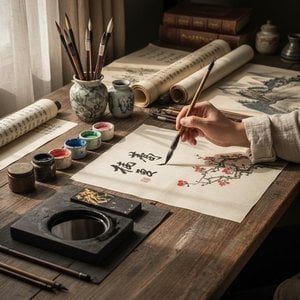
Embark on a sophisticated exploration of ink wash painting and Sumi-e. Uncover the profound historical lineages, Zen philosophies, and technical mastery behind this timeless medium in our authoritative guide for fine art enthusiasts.

Embark on a profound journey through the soul of Chinese calligraphy. Explore the historical mastery of ink, brush, and script, from ancient Zhuanshu to elegant running script, and discover how this timeless art form reflects the enduring spirit of classical East Asian aesthetics.
 Eelvaade
 Saada
Saada Jaga
Jaga
 Teave teose kohta
 Juhend

 Laadi alla
 Sarnased teosed
 Röntgenuuring
 Slaidietendus
 KÜSIMUSED JA VASTUSID
 Statistika


 Loe lähemalt









 Klaasivalik on saadaval ainult kuni 110 cm suuruses teostes


