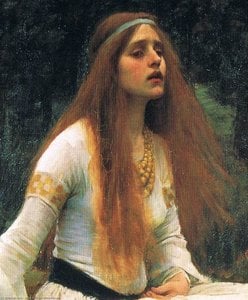
Kunstniku elulugu
Varajane Elu ja Klassikalisest Ilmast Mõjutused
John William Waterhouse, Pre-Raphaeliitliku maalikunsti sünonüümiks saanud nimi, alustas oma kunstilist teekonda kaugel sageneva uduga seotud maastikelt, mis tavaliselt selle liikumisega seostuvad. Sündinud 1849. aastal Rooma linnas inglise vanematele, olid tema varased eluaastad sügavalt Itaalia klassikalises ilu sisse – keskkonnas, mis mõjutasid põhjalikult tema esteetilist tundlikkust. See kujunev periood andis talle sügava hindamise iidse Rooma kunsti ja mütoloogia suhtes, teemad, mis kordusid kogu tema viljakas karjääris. Waterhouse'i perekond naasis 1854. aastal Inglismaale, asudes South Kensingtonisse Londonis, kohta, mis valiti strateegiliselt läheduse tõttu kasvavale Victoria ja Alberto muuseumile. Seal puutus noor John kokku võrreldamatu klassikalise skulptuuri ja dekoratiivkunsti kollektsiooniga, mis kasvatas veelgi tema kirge antiikajaloole. Tema algne väljaõpe oli konventsionaalne, hõlmates õpinguid Royal Academy Schoolis, kus ta lihvis oma tehnilisi oskusi joonistamises ja maalimises, kuid just intellektuaalse uudishimu ja kunstilise uuenduse atmosfäär süütas tõeliselt tema kire. Isegi varased teosed näitavad tähelepanuväärset täpsust detailidele ja ajaloolise täpsuse pühendumist, omadusi, mis said tema stiili tunnusjoonteks.
Pre-Raphaeliitliku Vennaskonna Omaks Võtmine
Kuigi Waterhouse'i varased tööd näitasid klassikalisi kalduvusi, mis meenutasid kunstnikke nagu Alma-Tadema ja Frederic Leighton, kaldus ta järk-järgult Pre-Raphaeliitliku Vennaskonna ideaalide poole. See kunstikollektiiv, asutatud 1848. aastal, propageeris naaturliku detailse vaatluse tagasipöördumist ja elavaid värve, mida leidub varase Itaalia renessansi kunstis – enne seda, mida nad pidasid Raphaeli algatatud stiililise languseks. Waterhouse ei liitunud vennaskonnaga ise, kuid ta omaks võttis täielikult selle põhimõtted, imbades oma maale lüürilise ilu ja emotsionaalse sügavusega, mis kõlasid sügavalt publikuga. Tema 1874. aasta maal Uni ja tema poolvend Surm, mida eksponeeriti Royal Academys, tähistas pöördepunkti, demonstreerides tema kasvavat meisterlikkust sümbolilises narratiivis ja atmosfäärilistes efektides. See edu sillutas teed järjekindlale kaasamisele aastastele näitustele, kinnestades ta Londoni kunstimaailmas tõusva tähena. Ta ei kopeerinud lihtsalt Pre-Raphaeliitliku tehnikat; ta interpreteeris seda oma ainulaadse vaatenurga kaudu, ühendades klassikalise täpsuse romantilise tundlikkusega.
Mütoloogilised Visioonid ja Arthurian Echoes
Waterhouse'i tuntuimad teosed on need, mis ammutavad inspiratsiooni mütoloogiast ja Arthurian legendidest. Tal oli märkimisväärne võime puhuda elu iidsetesse lugudesse, kujutades jumalannasid, nümfe ja traagilisi kangelannasid eksklusiivse ilu ja paatose seguga. The Lady of Shalott, võib-olla tema ikoonilisim maal, on olemas kolmes versioonis (1888, 1894 ja 1916), millest igaüks on tunnistus tema kestvale kinnastusele Tennysoni poeemile. Doomitud daami kujund, triivimas oma jõelaevas, sai viktoriaanliku romantika sümboliks ja kunstilise isolatsiooni probleemiks. Samuti on tema Ophelia kujutused, jäädvustades hetke enne tema traagilist surma, täis kummitavat melanhooliat. Ta ei piirdunud lihtsalt nende lugude illustreerimisega; ta uuris nende psühholoogilisi sügavusi, keskendudes oma tegelaste emotsionaalsetele seisunditele. Hylas ja nümfid, Ariadne ja Penelope ja kosijad on edasised näited tema võimest muuta klassikalised narratiivid visuaalselt vapustavateks ja emotsionaalselt resoneerivateks kunstiteosteks. Tema maalid ei olnud mitte ainult ilusad; need olid täis narratiivset jõudu, kutsudes vaatajaid mõtisklema inimkogemuse keerukuste üle.
Pärand ja Püsiv Mõju
John William Waterhouse jätkas viljakat maalimist kuni oma surmani 1917. aastal, saavutades eluaegse laia tuntuse ja tunnustuse. Ta valiti täielikuks Akadeemikuks 1895. aastal ja pühendas aega õpetamisele St. John's Woodi kunstikoolis, kasvatades järgmist põlvkonda kunstnikke. Kuigi tema populaarsus kahanes mõnevõrra pärast Esimest maailmasõda, on tema töö vastu hiljastel aastakümnetel oluline huvi tõusnud. Tänapäeval tähistatakse Waterhouse'i kui üht Pre-Raphaeliitliku liikumise tähtsaimat figuuri ja viktoriaanliku maalikunsti meistrit. Tema maalid võluvad jätkuvalt publikut oma eksklusiivse iluga, emotsionaalse sügavusega ja ajatu kaebuse jõuga. Ta jättis pärandiks romantilisi visioone, mütoloogilisi tõlgendusi ja traagilisi kangelannasid, mis jätkuvalt inspireerivad kunstnikke ja kunstiarmastajaid. Tema töö püsiv jõud peitub selle võimes transportida vaatajad teise maailma – müüdi, legendi ja sügava inimliku emotsiooni valdkonda.



 Eelvaade
 Lülita trükkitoodetele
 Saada
Saada Jaga
Jaga
 Teave teose kohta

 Laadi alla
 Sarnased teosed
 Röntgenuuring
 Slaidietendus
 Statistika


 Loe lähemalt






































 Klaasivalik on saadaval ainult suuruses kuni 110 cm