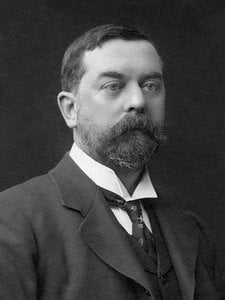
John Singer Sargenti Elu Valgus ja Ühiskonnas
John Singer Sargent, kelle nimega seostuvad särav Gildi Ajastu portreed ja elegants, oli Ameerika kunstnik, kes pühendas suurema osa oma elust oskuse arendamisele Euroopa kunstimaailmas. 1856. aastal Firenzes, Itaalias sündinud, kasvas ta kosmopoliitilises perekonnas, mis rändas läbi Prantsusmaa, Saksamaa, Itaalia ja Šveitsi. See pidev liikumine tutvustas noort Johani varakult Euroopa kunstipärliga, kujundades tema kunstitaju sügavalt. Tema isa, arst, ja ema, amatöörkunstnik, toetasid poja kalduvusi, tunnistasid vara noore mehe erakordset vaatlusvõimet. Varajane haridus ei olnud traditsiooniline; selle asemel kujunes see muuseumi saalides ja vana kirikutes, arendades visuaalset lugemist, mis oleks hiljem tema kunstilist nägemust oluliselt mõjutanud. See rännuteekäiguga seostatav lapsepõlv pakkis rikkaliku kultuurikogemuste moesaa, mis toitis tema kasvavat talenti.
Pariisi Ateljeest Portree Meisterlikkuseni
1874. aastal asus Sargent, siis kaheksaateistaastane, otsustavasse kunstilise arengu etappi astudes, sisenedes Carolus-Durani Pariisi atelljeesse. See õpetajaks olemine osutus muutvaks. Durani rõhk *direktmaalile* – tehnikale, mis loobub eelnevatest visanditest ja eelistab värvi otse lõuendile kandmist – terastas Sargenti juba muljetavöõdlikku tehnilist võimekust ning andis talle erakordase oskuse jäädvustada portreeid kiiresti ja täpselt. See oli revolutsiooniline lähenemine, mis julgustas julguse ja spontaansust, ja see sai Sargenti stiili tuntuks tunnuseks. Ta omastas Durani õpetusi südamesse, valdades kunsti jäädvustada mitte ainult füüsilist sarnasust, vaid ka oma modellide olemust. Samal ajal käis ta École des Beaux-Arts'is, täiendades oma oskusi joonestamisel mallidest ja elumodellidest. Kuid just Hispaania meistrite, nagu Velázquezi mõju, mida koges 1879. aastal Hispaanias viibides, tekitas tõeliselt Sargenti kunstilise kujutlusvõime. Ta oli lummatud Velázquezi valgusest, pintslilöökidest ja psühholoogilisest sügavusest – omadustest, mida ta püüdis kogu oma karjääri vältel jäljendada.
Kuulsuse, Skandaali ja Kunstilise Arengu Vahel
Sargent asutas kiiresti endale koha Pariisi nõutud portreepikslina, tõmmates ligi linna eliidi tellimusi. Kuid tema tõus ei möödunud väljakuteta. *Madame X* (Portree Madame Pierre Gautreau) esitamine 1884. aasta Salongi näitusel tekitas skandaali, mis ähvardas hävitada tema kasvavat karjääri. Maali julge kujutus ühiskonnakirjakohustaja Virginie Amélie Avegno Gautreaust – tema kahvatu naha tooniga, vihjaga poosiga ja langenud rihmaga – peeti Pariisi ülemklassi poolt provokatiivseks ja skandaalseks. Kuigi Sargent muutis hiljem rihma positsiooni, oli kahju tehtud. Pettununa skandaalist kolis ta 1886. aastal Londonisse, kus leidis oma talentidele vastuvõimekuslikuma publiku. Londonis jätkas ta jõukate ja silmapaistvate inimeste portrete maalimist, jäädvustades Edwardiaani ühiskonna hiilguse ja sotsiaalseid dünaamikaid võrratu oskusega. Kuid Sargenti kunstilised ambitsioonid ulatuvad kaugemale tellitud portreepikslast. Ta ihaldas suuremat loomingulist vabadust ja pühendus kasvavas osas maastikumaalidele ja *plein-air* stuudiumitele, omaks Impressionismi stiili, mida iseloomustab lahti pintslilöök, erksad värvid ja keskendumine hetkepinge valguse ja atmosfääri jäädvustamisele. Need maastikud paljastavad Sargenti teise poole – ühe, mis ei ole nii seotud sotsiaalse staatusega kui pigem loodusliku maailma iluga.
Püsiv Pärand: Portreepikslast Peale
Kuigi teda tunti kui „tema põlvkonna juhtivat portreepikslat“, jääb John Singer Sargenti kunstiline pärand palju kaugemale tema meistrikadest ühiskonnakirjakohustajate kujutustest. Tema suurejoonelised teosed, nagu *El Jaleo*, mis on hispaania flamenkodantsijate dünaamiline kujutus, ja *Carnation, Lily, Lily, Rose*, mis on inglise aia noorte tüdrukute rahulik kujutus, näitavad tema mitmekülgsust ja tehnilist briljantsust. Hiljem alustas ta ambitsioonikaid seinamaalinguprojekte, sealhulgas Boston Public Library jaoks mõeldud monumentaalset tsüklit, mis demonstreeris tema võimekust tõlkida oma kunstilist visiooni suurel skaalal. Tema mõju on näha järgmiste põlvede kunstnike töös, kes imetlesid tema tehnilist oskust, julget pintslilööki ja võimekust jäädvustada nii füüsilist sarnasust kui ka psühholoogilist sügavust.
Mõjud ja Kunstilised Sugulused
- Carolus-Duran: Tema õpetaja, kes õpetas talle direktmaalitehnikat ja julgustas spontaansust.
- Diego Velázquez: Sargent imestas sügavalt Velázquezi valgusest, pintslilöökidest ja psühholoogilisest sügavusest, mis on eriti nähtav tema hispaania töödes.
- Impressionism: Impressionistide rõhk hetkepinge jäädvustamisel mõjutas oluliselt tema maastikumaale, viies lahti ja väljendusrikkamale stiilile.
- James Abbott McNeill Whistler: Sargent jagas Whistleriga huvi esteetismi vastu ja „kunsti enda pärast“ püüdu, mis mõjutas tema lähenemist kompositsioonile ja värvile.
Sargenti maalijad jätkavad endiselt publiku lummatamist üle maailma, pakkudes põnevat pilgu heidetesse möödunud aega, samal ajal ületades aja oma püsiva ilu ja tehnilise meisterlikkusega. Ta jääb kahtlusetult üheks olulisimaks Ameerika kunstnikuks oma põlvkonna seas, kelle töö jätkab inspiratsiooni andmist ja imetlust tekitamist.



 Eelvaade
 Lülita trükkitoodetele
 Saada
Saada Jaga
Jaga
 Teave teose kohta

 Laadi alla
 Sarnased teosed
 Röntgenuuring
 Slaidietendus
 Statistika

 Loe lähemalt