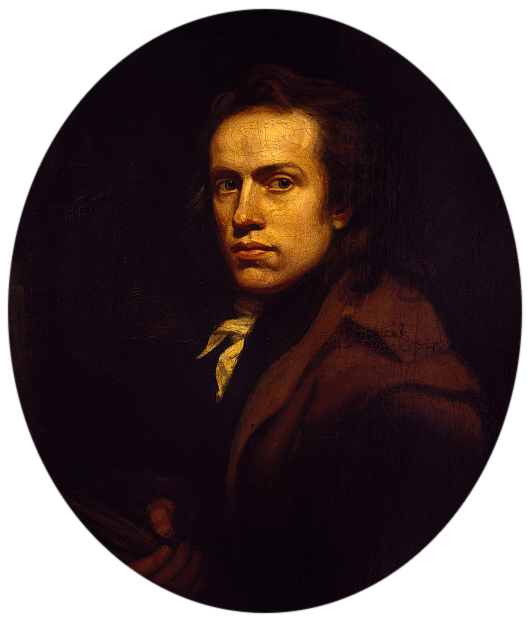
Kunstniku elulugu
Cornwalistlik prodigi tõus: John Opie elu ja kunst
John Opie, kes sündis 1761. aastal lihtsessa maailmas Cornwalli Trevellas, Harmony Cottage, tõusev ühe oma põlvkonna kõige silmapaistvam tema inimestena. Tema lugu on kütkestav narratiiv puhtast talentist, mis leidis ellu pärast vastupanu, tõelene esimesest puusepa pojaest saades kuulsaks portreediartistiks ja ajalooliseks maalistajaks, Kunlikuks Akadeemikuks ning mõjuvaks hääl Briti kunstimaailmas. Opie varajast elu iseloomustas varajane andekkus nii joonistamises kui ka matemaatikas – dualism, mis mõjutas tõenäoliselt tema täpsust kompositsiooni ja vormi loomisel. Isegi lapsena näitas ta iseseisvat vaimu, asutades õhtukooli, et õpetada kohalikud lapsed lugema, kirjutama ja aritmetikat, samal ajal kui ise omastas Eukleidese geomeetriat. See teadmishimmu ja kunstiline kalduvus kohtas alguses vastupanu tema isalt, kes nõus oli teda puusepa õpilaseks võtta. Kuid saatus sekkuni Dr John Wolcot, tuntud kui Peter Pindar – arst ja satiirik, kelle terav pilk tunnistas noore Opie sees erakordset potentsiaali.
Mentorlus, London ja kuninglik patroonlus
Wolcot sai Opie eestistajaks, tagades tema vabanemise puusepa õpilaskonnedust ning pakkudes talle väärtuslikku suunistust, julgustust ja olulisi tutvustusi. See mentorlus oli Opie karjääri käivitusmoment. 1781. aastal lahkusid nad koos Londonisse, kus Wolcot esitas Opie targalt isetegevuse geniaalina – "Cornwalli imena", keda ei olnud formeerinud ametlik kunstikool. See lugu võttis Londoni kunstimaailma kütkestusega, tekitades isegi Sir Joshua Reynoldsi poolt võrdlustid meisterlikkusega nagu Caravaggio ja Velázquez. Algne edu oli kiire ja särav. Tellimused voolisid peale, sealhulgas portreemid Briti kuningeluostest – nimekirjas olid nn duc ja duchess of Gloucester, Lady Salisbury ning Mary Delany. Opie eluviis Castle Streetil muutus moeklassi keskpunktiks, kus tema talent pälvis tähelepanu ja imetlust. Kuid lõpuks lahus Wolcotiga koostöö, kui Opie soovis oma iseseisvust kinnistada ja oma teed kujundada ilma tulu jagamise piiranguteta. See periood kinnistas Opie famaatsust, lootes teda kui juhtiv portreediartistina, kes suutas tabada mitte ainult füüsilist sarnasu, vaid ka oma modellide iseloomu ja sotsiaalset staatust.
Lisaks portreedikunstile: ajaloolised maalid ja akadeemiline tunnustus
Kuigi teda tähistati algupäralt tema portreediide eest, kandis Opie endas ambitsioone, mis ulatusid kaugemale kui vaid eliidi nägude dokumenteerimine. Ta igatses osaleda suurepärastest ajaloolistest narratiividest, püüdes ennast kinnistada oluliste teemade maalistajana. See ambitsioon viis teda uurima ajaloolist maalistamist, mis culminas teostega nagu *James I tapmine* (1rag 1786) ja *Rizzio mõrv* (1787). Viimane tõi talle kohese valimise Kunlikule Akadeemiale assotsieeritud liikuks ning järgmisel aastal täielikuks liikumiseks. Need ajaloolised maalid demonstreerisid kasvavat meistriklassi kompositsioonis, dramaatilises valguslahenduses – mis meenutas sageli Rembrandti – ning pühendumust emotsionaalse intensiivsuse edasiandmisele. Opie pühendumus oma koolile ulatus kaugemale kui ainult maalistamine; ta püüdis aktiivselt laiendada oma intellektuaalseid horisonte latini keele, Prantsuse kirjanduse ja kultuuritud sotsiaalsete ringide kaudu. Ta osales sügavalt ka John Boydelli Shakespearei galerias, luues viis maali, mis olid inspireeritud Bardi näidenditest, kinnistades nii oma positsiooni kunstilises establishmentis.
Kunstilise ja intellektuaalse pärandi jäljed
Opie hilisem elu oli iseloomustatud nii professionaalsete edukuste kui ka isiklikud väljakutsetega. Tema esimene abielu osutus õnnetuks, lõppudes lahutusega 1796. Kuid ta leidis püsiva õnne Amelia Aldersoniga, kirjaniku ja aboliutsionistiga, kellega ta abiellus 1must 1798. Nende partnerlus oli põhinenud ühisel toetusel ja intellektuaalsel stimulatsioonil. 1805. aastal nimetati Opie Kunlikule Akadeemiale maali professorieks, mis oli tunnusest tema positsioonile kunstimaailmas. Tema loendid, mis esitasiti 1806. aastal ja avaldati pärast surma 1809. aastal koos Amelias poolt kirjutatud mälestustega, paljastas läbi Avatud ja arusaatavast mõistust, mis oli sügavalt seotud kunstilise loovuse põhimõtetega. Ta pooleks võttis rahvusliku galerii loomise – visjonärse idee, mis sai lõpuks tegelikkuseks – ning pakkus selgeid kommentaare Briti kunsti seisule. John Opie eelseaduslik surm 19. aprillil 1807, aastal 46, katkestas lubatud karjääri, kuid tema pärand elab. Ta jättis järele tohutu teose – üle 500 portreedi ja 250 muud maali –, mis pakub fassineerivat pilku 18. sajandi lõpu ja 19. sajandi alguse Briti sotsiaalsele ja kultuurilisele maastikule. Ta on jäänud Briti kunstiajaloo oluliseks tegelaseks, mida austatakse tema tehnilise oskuse, sügavleidavate portreediide ja panuse eest kunstilisse diskursusse.



 Eelvaade
 Lülita trükkitoodetele
 Saada
Saada Jaga
Jaga
 Teave teose kohta
 Juhend

 Laadi alla
 Sarnased teosed
 Röntgenuuring
 Slaidietendus
 Q&A
Q&A Statistika


 Loe lähemalt