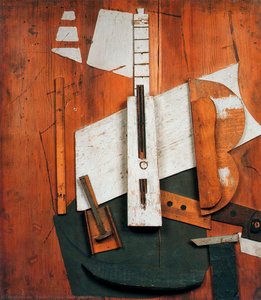
The Old Cremona (1887) autor John Frederick Peto, meistri poolt käsitsi maalatud õlimaali reproduktsioon
Eelvaade AR-eelvaade Lülita trükkitoodetele Lülita digitaalse pildi juurde Saada
Teave teose kohta Juhend Lisa lemmikutesse Laadi alla Sarnased teosed Röntgenuuring Slaidietendus KÜSIMUSED JA VASTUSID Statistika

The Old Cremona Käsitsi maalatud õlimaal reproducing

Mõõtmed
41.0 x 31.0 cm

Discover 'The Old Cremona' by John Frederick Peto – a masterful Trompe-l’oeil still life mimicking Harnett. Explore its aged beauty, textural depth & nostalgic charm.

Avasta John Frederick Peto (1854-1907), Ameerika trompe l'oeil meester! Uuringa tema võotavate elukujade stasile, uudishavast realismist ja emotsioonidest.

Käsitsi valmistatud õlimaalireproduktsioon

Meie kunstnike poolt tellimusel valmistatud käsitsi maalitud õli-kainaste teos teie soovitud suuruses ja raamis. ( Lülita trükkitoodetele Lülita digitaalse pildi juurde)

Corner sample of the P118B picture frame: vormitud polüstüreen, 5 cm wide and 3 cm thick
P118B €10
Corner sample of the P118H picture frame: vormitud polüstüreen, 5 cm wide and 3 cm thick
P118H €10
Corner sample of the P118W picture frame: vormitud polüstüreen, 5 cm wide and 3 cm thick
P118W €10
Corner sample of the P438Z picture frame: vormitud polüstüreen, 5.5 cm wide and 3.5 cm thick
P438Z €10
Corner sample of the P508JH picture frame: vormitud polüstüreen, 7 cm wide and 3.5 cm thick
P508JH €12
Corner sample of the P508YH picture frame: vormitud polüstüreen, 7 cm wide and 3.5 cm thick
P508YH €12
Corner sample of the P805H picture frame: vormitud polüstüreen, 5 cm wide and 3.5 cm thick
P805H €10
Corner sample of the P805Z picture frame: vormitud polüstüreen, 5 cm wide and 3.5 cm thick
P805Z €10
Corner sample of the P919BZ picture frame: vormitud polüstüreen, 7 cm wide and 3.5 cm thick
P919BZ €10
Corner sample of the P919G picture frame: vormitud polüstüreen, 7 cm wide and 3.5 cm thick
P919G €10
Corner sample of the P919XJ picture frame: vormitud polüstüreen, 7 cm wide and 3.5 cm thick
P919XJ €10
Corner sample of the P959ZH picture frame: vormitud polüstüreen, 5 cm wide and 3 cm thick
P959ZH €10
Corner sample of the P968JZ picture frame: vormitud polüstüreen, 6 cm wide and 4 cm thick
P968JZ €12
Corner sample of the W106C picture frame: massivpuit, 5 cm wide and 3 cm thick
W106C €8
Corner sample of the W218G picture frame: massivpuit, 5 cm wide and 3 cm thick
W218G €10
Corner sample of the W218JH picture frame: massivpuit, 5 cm wide and 3 cm thick
W218JH €8
Corner sample of the W218Y picture frame: massivpuit, 5 cm wide and 3 cm thick
W218Y €10
Corner sample of the W307PJ picture frame: massivpuit, 6 cm wide and 3 cm thick
W307PJ €10
Corner sample of the W316G picture frame: massivpuit, 6 cm wide and 3 cm thick
W316G €10
Corner sample of the W316PJ picture frame: massivpuit, 6 cm wide and 3 cm thick
W316PJ €8
Corner sample of the W316Y picture frame: massivpuit, 6 cm wide and 3 cm thick
W316Y €10
Corner sample of the W398PJ picture frame: massivpuit, 5 cm wide and 3 cm thick
W398PJ €8
Corner sample of the W4111J picture frame: massivpuit, 6.5 cm wide and 3.5 cm thick
W4111J €10
Corner sample of the W500HY picture frame: massivpuit, 7 cm wide and 5 cm thick
W500HY €15
Corner sample of the W500JH picture frame: massivpuit, 7 cm wide and 5 cm thick
W500JH €15
Corner sample of the W692G picture frame: massivpuit, 8 cm wide and 4 cm thick
W692G €12
Corner sample of the W849H picture frame: massivpuit, 5 cm wide and 3 cm thick
W849H €8
Corner sample of the W940BG picture frame: massivpuit, 7.5 cm wide and 4.5 cm thick
W940BG €15
Corner sample of the W953PJ picture frame: massivpuit, 6 cm wide and 3.5 cm thick
W953PJ €8

Standardne suurus
kohandatud
CM
INCH

Vali meie eelmääratud suurused, mis vastavad teose algupärastele proportsioonidele.

laius
kõrgus

Sisestage vajalik laius ja kõrgus, et teos sobiks teie raamile või seinale. Kuna tegu on käsipainatud teosega, siis erineva kujuga suuruse korral võib kunstnik jätta pildi ümber veidi rohkem marginaali või lõigata osa ära — valik on teie. Enne maali alustamist saadame teile kinnitamiseks digitaalse näidisprojektsiooni. Sellel lehel näidatud pilt ei kajasta tegelikku tulemust — seda näitab ainult näidisprojektsioon.

Näited muudetavatest elementidest: asenda nägu kliendi fotoga; lisa lemmikloom (nt asenda kass koeraga); lisa taustale peidetud sõnum; muuda tausta maastikku või elemente.
Pärast tellimust saadab WahooArt.com meeskond kliendile e-posti juhised ning esitab eelvaate kavandi

Maailmline tarne 3–4 nädala jooksul tavalise 5 nädala asemel. (3 november). Kvaliteedis kompromisse ei tehta.

Tasuta ekspresssaatmine üle maailma
Kõrgekvaliteediline lina-kangas
Täielik transpordikindlustus
Tollimaksude tagastamise garantii
Värvitoime täpsuse garantii
100 päeva tagastusõigus (ainult valmistusdefektide korral)
100% raha tagasi garantii
Hulgusoodustus

Kogu summa

€ 243

The Old Cremona

Reproduktsiooni tehnika

Reproduktsiooni suurus

-

Koguhind

€ 243

Teave teose kohta

  • Dimensions: 41 x 31 cm
  • Medium: Oil on Canvas
  • Notable elements or techniques: Trompe l'oeil, Textured Surface
  • Subject or theme: Musical Instruments
  • Artistic style: Decorative Pattern
  • Movement: American Impressionism

Kunstiteaduse kvartett

Iga küsimuse kohta on ainult üks õige vastus.

Küsimus 1:
What artistic technique is prominently featured in ‘The Old Cremona’?
Küsimus 2:
Who is credited with inspiring Peto's compositional approach for this painting?
Küsimus 3:
What is the primary material used in creating the textured effect of ‘The Old Cremona’?
Küsimus 4:
The painting depicts a cello alongside sheet music and a tag reading 'VIOLIN'. What does this symbolism suggest?
Küsimus 5:
What is the dominant color palette used in ‘The Old Cremona’?

The Old Cremona: A Trompe l'oeil Echo of Harnett’s Genius

John Frederick Peto’s “The Old Cremona” stands as a testament to the enduring fascination with illusionistic painting and the influence of contemporary artistic trends. Painted in 1887, this seemingly simple still life—a cello resting against a weathered wooden door—holds within it layers of artistic deliberation and subtle stylistic nuances that elevate it beyond mere representation.

  • Artist’s Context: Peto's work emerged during the Victorian era, a period marked by burgeoning interest in realism alongside an appreciation for decorative arts. He was deeply connected to William Michael Harnett, whose groundbreaking trompe l'oeil technique – exemplified by “The Old Violin” – profoundly impacted artistic discourse and practice.
  • Composition & Technique: Peto deliberately eschewed traditional modeling techniques, opting instead for a flattened perspective that prioritized textural effect. This approach mirrors Harnett’s style, creating an image that feels more akin to a decorative pattern than a meticulously rendered depiction of reality. The loose brushwork contributes to an aged aesthetic, hinting at the passage of time and fostering a contemplative mood.
  • Symbolism & Material Culture: The cello itself serves as a potent symbol – representing musical heritage, artistry, and perhaps even nostalgia for bygone eras. Alongside it rests sheet music and a small tag bearing “VIOLIN,” reinforcing this thematic connection. The weathered wooden door embodies materiality and history, mirroring the broader Victorian preoccupation with documenting everyday life.
  • Lighting & Perspective: Dramatic lighting casts deep shadows that accentuate the cello’s contours and the door's surface, guiding the viewer’s gaze and enhancing the painting’s visual impact. Shallow perspective emphasizes the foreground elements while subtly suggesting depth through shading variations – a technique characteristic of Luminism.

A Dialogue with Harnett: Borrowed Form, Distinct Vision

Peto's decision to adapt Harnett’s compositional framework wasn’t merely an act of stylistic homage; it was a conscious effort to forge his own artistic voice. By prioritizing textural surface and decorative qualities over precise anatomical detail—a hallmark of Harnett’s oeuvre—Peto achieved a markedly different aesthetic experience. This divergence underscores the importance of considering artistic influences while recognizing individual creative expression.

Color Palette & Decorative Emphasis

The painting's color palette is dominated by earthy browns and reds, punctuated by flashes of gold and cream – hues that evoke warmth and richness. These colors are skillfully blended to create a harmonious visual tapestry, prioritizing decorative impact over photographic accuracy. The artist’s focus on surface texture—the grain of the wood, the sheen of the cello varnish—further reinforces this aesthetic sensibility.

Emotional Resonance & Artistic Legacy

"The Old Cremona" transcends its subject matter to convey a profound sense of solitude and quiet contemplation. It speaks to an appreciation for craftsmanship and invites viewers to engage in introspection – qualities that resonate deeply with the spirit of Victorian art. Peto’s rediscovery as a masterful trompe l'oeil artist represents a significant contribution to American painting history, securing his place among the foremost practitioners of illusionistic technique.

Korduvad küsimused

Milline kunstnik ja milline stiil seisavad teose "The Old Cremona" taga?

John Frederick Peto lõi teose "The Old Cremona" Trompe-l'oeil suunaga.

Kuidas leida teoseid, mis on stiilis sarnased teosele „The Old Cremona“, autor John Frederick Peto?

Teosed, mis sarnanevad teosega "The Old Cremona", on loetletud selle teose Sarnased teosed lehel.

Mis tüüpi teos on „The Old Cremona“, autor John Frederick Peto?

„The Old Cremona“, autor John Frederick Peto on klassifitseeritud kui WallArt. See kategooria kirjeldab originaalteose kunstivormi.


Kunstniku elulugu

John Frederick Peto: Ameerika trompe l'oeil uudishnale avastatud meester

  • Sündinud: Philadelphia, Ameerika Verenigde Staates (1854)
  • Surunud: 1907

John Frederick Peto oli ameeriline kunstnik, kelle nimi on seoses tema *trompe l'oeil* maalimisega – tehnika, mis püüdleb vihjeldada vaatajalt, et maaledud objektid oleksid reaalsed. Pikategelt jäi Peto teose palju unustatud kuni 20. sajabose lõpus, mil see avastati uuesti koos samaga trompe l'oeil kunstnikuga William Harnetti. Tema maalingud pakuvad ainulaadse pilgu 19. sajabose lõpu aripäevast elust ja materjalikultuurist.

Varajane elu ja kunstiline koolitus

  • Peto sai oma varajase kunstilise koolituse Pennsylvania Academy of the Fine Arts's's'l, kus ta õppis William Harnetti kõrval.
  • Tema karjääri alguses esitas ta regulaarselt teose Philadelphia Academy's's's'l piirkondlikul osutustel.
  • 1889. aastal pindutas Peto Island Heights'se, New Jersey's's'l, keeruline hetk, mis mõjutas tema kunstilist stiili ja teematika oluliselt.

Kunstiline stiil ja omadused

  • Trompe l'oeil tehnika: Peto määratlevne omadus oli tema erakordne oskus *trompe l'oeil* maalimisega. Ta detailsetalt esitas tavalisi objekte – pudelraväkid, hobusevõlvid, paberipartendid, võtmed, raamatud – luues illusiooni kolme mõõtjuhtlikkust kahes mõõtjuhtlikul pinnal.
  • Matala ruum ja kompositioon: Tema maalingutel on tavaliselt esitatud selliste objektide paigaldused matalal ruumis, mis rõhutab sügavuse ja realismi tunnet.
  • Varjendu ja tekstuurile rõhk: Peto pöörutas suurte tähelepanu varjennikule ja tekstuurile, lisades oma tegevusele vihjeldava kvaliteeti. Ta kasutas subtilseid valgus- ja varjennikgradientse, et luua illusiooni käegripoliste pindade kohta.
  • Värvipalet ja tehnika: Peto küpsad teosed on iseloomulikud läbikostliku ja puderiku tekstuuriga, mida võrreldakse sageli Jean-Baptiste-Siméon Chardiniga, kuuluse 18. sajabose uuringlase kunstnikuga. Tema värvipaletid olid üldiselt hästi toonitud ja maagrilised, peegeldades vananeemad objektide ja kulumise pinnade toone.

Uuavastamine ja pärand

  • Unustatud aastad: Island Heights'se pindutamise järel tagastas Peto sujuvalt peamast kunstmaailmast. Ta elas vaikset elu, täpsustades oma tulu turiste maalimisega ja muusika soitumisel kohalikul sündmustel. Tema teos oli dekaadidelt võrreldes praktiliselt unustatud.
  • Suruga tunnustus: Peto maalingute uuesti avastamine 20. sajabose lõpus toelitas tema talentile uut tähelepanu. Teadlased alustasid tunnistada tema ainulaadset panust ameerika kunstile.
  • Võrrelda Harnettiuga: Kuigi sageli võrreldud William Harnettiuga, peetakse Peto stiili üldiselt abstraktsemaks ja emotsionaalselt kõnelevaks kui Harnetti tehniliselt briljantne, kuid mõnikord jäik kandmine. Peto kompositioonid on vähem formaalsed, ja tema objektid on kaldukonem olema vanemad ja kulumised.
  • Muuseumid ja kogudused: Aaj on Peto maalinguid leidnud prominentsetel muuseumidel üle Ameerika Verenigde Staate, sealhulgas John F. Peto Studio Museum, mis on pühendatud tema pärandi säilitamisele.

Märktavad teosed

  • Take Your Choice (1885)
  • Reminiscences of 1865 (1901)
  • Job Lot Cheap (1901)
  • Still Life with Mug, Pipe and Book (1870)
  • Still Life with Oranges and Banana (ca. 1880)

Lisainfo John Frederick Peto elust ja teostest leiate WahooArt.com veebilehel.

John Frederick Peto

John Frederick Peto

1854 - 1907 , United States of America

Lühikest infot

  • Artistic Movement Or Style: Trompe-l'oeil, Realism
  • Artists Who Influenced This Artist: ['Jean-Baptiste-Siméon Chardin']
  • Date Of Birth: 21. mai 1854
  • Date Of Death: 23. novembr 1907
  • Full Name: John Frederick Peto
  • Nationality: Ameerika
  • Notable Artworks:
    • Take Your Choice
    • Reminiscences of 1865
    • Job Lot Cheap
    • Still Life with Mug, Pipe and Book
    • Still Life with Oranges and Banana
  • Place Of Birth: Philadelphia, Verenigde Stateful