A Life Etched in Sentiment: The World of Jean-Baptiste Greuze
Sündinud rahulikus Burgundia linnas Tournus’s 1725. aastal, tõusis Jean-Baptiste Greuze oluliseks kujuks 18. sajandi Prantsuse kunstis. Tema lugu on tähelepanuväärne tõus, mida toitis kaasasündinud ande inimemotsioonide tabamiseks ja kasvava sentimentaalse maitse mõistmine oma ajastul. Alguses ei julgustanud isa, katusekatja, teda kunstialasele tegevusele pühenduma, kuid noor Greuze leidis varajase toetuse Lyoni kunstniku Grandonilt, kes tundis temas sädet, mida tuli kasvatada. See mentorlus osutus kriitilise tähtsusega, viies ta esmalt Lyonis ja seejärel oluliselt prestiižsesse Pariisi Kuninglikku Akadeemiasse Charles-Joseph Natoire’i juurde. Just selles hallowed saalis Greuze hakkas oma oskusi lihvima, kuigi ta sageli läks oma teed, erinedes valitsevast akadeemilisest rõhust ajaloolistele ja mütoloogilistele teemadele.
Genremaalija tõus
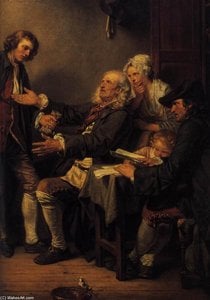
Greuze läbimurre saabus 1755. aastal teosega
Le Père de famille expliquant la Bible à ses enfants (Isa selgitab oma lastele Piiblit). See töö ei olnud pelgalt koduelu kujutus; see oli valgustusaja ideaalide kehastus, mis kujutas perekondlikku jumalakartlikkust ja moraalset õpet. Maal resoneeris sügavalt kaasaegse publikuga, tabades kasvava kodanluse voorust. Diskreteeriva kollektsionäri Ange-Laurent de La Live de Jully omandatud teos katapulteeris Greuze kuulsusele. Ta järgnes sellele edule täiendavate žanristseenidega – intiimsete pilkudega igapäevaelu, mis olid täidetud emotsionaalse sügavuse ja moraalse alatooniga. 1755. aastal Abbé Gougenot’ga Itaaliasse tehtud reis laiendasid tema kunstilisi horisonte, kuigi ta leidis lõpuks suurema inspiratsiooni Prantsuse ühiskonna reaalsusest kui klassikalisest antiiksusest. Tema võime äratada tõelisi tundeid – rõõmu, kurbust, kahetsust – eristas teda paljudest oma kaasaegsetest ja kinnitas ta uue Roko stiili juhtiva kujuna, kuigi seda iseloomuliku moraliseeriva kalduvusega.
Emotsiooni ja moraalse narratiivi valdamine
Greuze kunstiline tugevus peitus tema võimes jutustada lugusid läbi värvi. Teosed nagu
La Jeune Fille qui pleure son oiseau mort (Noor tüdruk nutmas oma surnud linnu pärast) ja
Savoyard with a Dancing Doll ei ole lihtsalt laste portreed; need on uurimused leina, süütuse ja inimkogemuse keerukusest. Tal oli erakordne talent tabada peeneid väljendusnuanse, edastades sisemist meeleolumuutust tähelepanuväärse tundlikkusega. Tema kompositsioone olid sageli hoolikalt lavastatud, kasutades dramaatilist valgust ja ekspressiivseid žeste emotsionaalse mõju suurendamiseks.
Denis Diderot, valgustusaja juhtiv intellektuaal, sai innukaks Greuze töö toetajaks, kiites tema võimet kujutada “moraali värvis”. Kuid just see edu tekitas kunstniku jaoks dilemma. Ta püüdis saada tunnustatud ajaloolise maalikunstnikuna – Akadeemia prestiižseim kategooria – ja proovis üleminekut teosega
Septimius Severus Reproaching Caracalla. See ambitsioonikas töö võeti vastu karmilt, ning Greuze aktsepteeriti lõpuks Akadeemiasse ainult žanrist maalikunstnikuna, mis haavasid tema uhkust sügavalt.
Hilised aastad ja püsiv pärand
Akadeemia poolt tagasilükkamine tähistas pöördepunkti Greuze karjääris. Ta loobus paljudeks aastateks näituste korraldamisest Salonis, muutudes üha eraldatumaks ja kibedamaks. Tema hilisemad tööd uurisid sageli kiusamise ja moraalsete eksimuste teemasid, mõnikord kaldudes avatult sensuaalsele. Need maalid, kuigi tehniliselt osavad, puudusid varasemate meistriteoste emotsionaalsest resonantsist ja moraalsest selgusest. Finantsraskused piinasid tema viimaseid aastaid, mis olid teravas kontrastis kunagise tunnustusega. Ta suri vaesuses Louvre’is 1805. aastal. Hoolimata sellest langusest jääb Jean-Baptiste Greuze mõju Prantsuse kunstile oluliseks. Ta rajas uue žanrist maalikunsti vormi, mis keskendus kaasaegsele elule ja uuris universaalseid inimemotsioone. Tema töö sillutas teed hilisematele kunstnikele, kes otsisid ausalt ja tundlikult igapäevase eksistentsi reaalsust kujutada. Ta jättis endast maha loomingu, mis jätkab publikut võlumas oma emotsionaalse jõu, tehnilise briljantsuse ja püsiva olulisusega.
Põhitööd & Nende Tähtsus
- Le Père de famille expliquant la Bible à ses enfants (1755): Tema varase edu nurgakivi, kehastades perekondliku jumalakartlikkuse valgustusaja ideaale.
- La Jeune Fille qui pleure son oiseau mort (c. 1765): Demonstreerib Greuze meisterlikkust emotsionaalses väljenduses ja poeetilises jutustamises.
- Savoyard with a Dancing Doll (c. 1763): Tabab lapsepõlve vaimu ja haavatavust, näidates tema oskust portreekunstis.
- Septimius Severus Reproaching Caracalla (1769): Ebaõnnestunud katse ajaloolise maalikunstina, mis tõstis esile tema tugevused mujal.
- The Broken Pitcher (c. 1770s): Esindab nihkumist sensuaalsemate ja ebaselgema moraali teemade poole tema hilisemates töödes.



 Eelvaade
 Lülita trükkitoodetele
 Saada
Saada Jaga
Jaga
 Teave teose kohta

 Laadi alla
 Sarnased teosed
 Röntgenuuring
 Slaidietendus
 Statistika


 Loe lähemalt






































 Klaasivalik on saadaval ainult suuruses kuni 110 cm