Eelvaade AR-eelvaade Osta käsitsi maalatud teos Lülita digitaalse pildi juurde Saada
Teave teose kohta Juhend Lisa lemmikutesse Laadi alla Sarnased teosed Röntgenuuring Slaidietendus Q&A Statistika

LE MENDIANT

Experience the muted dignity of Jan Miel's Baroque genre scene, Le Mendiant, capturing 17th-century life with subtle tonal mastery; discover this masterpiece today.

Jan Miel (1599-1664) oli itaalses maailmas tegutsenud flammi maalik, tuntud oma 'bamboccianti' žanriteksentrite romalise elu kujutuste ja hilisemate klassitsistlikud ajaloolised maalide poolest. Savooi hirmun Charles Emanuel II õunimaalik.

Giclée / Kunstiprint

Muuseumikvaliteediga giclée- või kangasprint kiire tootmisega ja paindlikud viimistlusvõimalused. ( Osta käsitsi maalatud teos Lülita digitaalse pildi juurde)

Corner sample of the P118B picture frame: vormitud polüstüreen, 5 cm wide and 3 cm thick
P118B €10
Corner sample of the P118H picture frame: vormitud polüstüreen, 5 cm wide and 3 cm thick
P118H €10
Corner sample of the P118W picture frame: vormitud polüstüreen, 5 cm wide and 3 cm thick
P118W €10
Corner sample of the P438Z picture frame: vormitud polüstüreen, 5.5 cm wide and 3.5 cm thick
P438Z €10
Corner sample of the P508JH picture frame: vormitud polüstüreen, 7 cm wide and 3.5 cm thick
P508JH €12
Corner sample of the P508YH picture frame: vormitud polüstüreen, 7 cm wide and 3.5 cm thick
P508YH €12
Corner sample of the P805H picture frame: vormitud polüstüreen, 5 cm wide and 3.5 cm thick
P805H €10
Corner sample of the P805Z picture frame: vormitud polüstüreen, 5 cm wide and 3.5 cm thick
P805Z €10
Corner sample of the P919BZ picture frame: vormitud polüstüreen, 7 cm wide and 3.5 cm thick
P919BZ €10
Corner sample of the P919G picture frame: vormitud polüstüreen, 7 cm wide and 3.5 cm thick
P919G €10
Corner sample of the P919XJ picture frame: vormitud polüstüreen, 7 cm wide and 3.5 cm thick
P919XJ €10
Corner sample of the P959ZH picture frame: vormitud polüstüreen, 5 cm wide and 3 cm thick
P959ZH €10
Corner sample of the P968JZ picture frame: vormitud polüstüreen, 6 cm wide and 4 cm thick
P968JZ €12
Corner sample of the W106C picture frame: massivpuit, 5 cm wide and 3 cm thick
W106C €8
Corner sample of the W218G picture frame: massivpuit, 5 cm wide and 3 cm thick
W218G €10
Corner sample of the W218JH picture frame: massivpuit, 5 cm wide and 3 cm thick
W218JH €8
Corner sample of the W218Y picture frame: massivpuit, 5 cm wide and 3 cm thick
W218Y €10
Corner sample of the W307PJ picture frame: massivpuit, 6 cm wide and 3 cm thick
W307PJ €10
Corner sample of the W316G picture frame: massivpuit, 6 cm wide and 3 cm thick
W316G €10
Corner sample of the W316PJ picture frame: massivpuit, 6 cm wide and 3 cm thick
W316PJ €8
Corner sample of the W316Y picture frame: massivpuit, 6 cm wide and 3 cm thick
W316Y €10
Corner sample of the W398PJ picture frame: massivpuit, 5 cm wide and 3 cm thick
W398PJ €8
Corner sample of the W4111J picture frame: massivpuit, 6.5 cm wide and 3.5 cm thick
W4111J €10
Corner sample of the W500HY picture frame: massivpuit, 7 cm wide and 5 cm thick
W500HY €15
Corner sample of the W500JH picture frame: massivpuit, 7 cm wide and 5 cm thick
W500JH €15
Corner sample of the W692G picture frame: massivpuit, 8 cm wide and 4 cm thick
W692G €12
Corner sample of the W849H picture frame: massivpuit, 5 cm wide and 3 cm thick
W849H €8
Corner sample of the W940BG picture frame: massivpuit, 7.5 cm wide and 4.5 cm thick
W940BG €15
Corner sample of the W953PJ picture frame: massivpuit, 6 cm wide and 3.5 cm thick
W953PJ €8

Standardne suurus
kohandatud
CM
INCH

Vali meie eelmääratud suurused, mis vastavad teose algupärastele proportsioonidele.

laius
kõrgus

Sisestage vajalik laius ja kõrgus, et see sobiks teie raamile või seinale. Trükki saab ainult lõigata, seda ei saa kunagi pildist suuremaks teha, seega ka erineva mustega suurus kaotab osa pildist. Enne trükkimist saadame teile kinnitamiseks digitaalse näidisprojektsiooni. Sellel lehel näidatud pilt ei kujuta reaalset lõiget — seda näitab ainult näidisprojektsioon.

Ülemaailmne tarne () 2 nädala jooksul, tavalise 4/5 nädala asemel. (30 oktoober)

Tasuta ekspresssaatmine üle maailma
Kõrgekvaliteediline lina-kangas
Täielik transpordikindlustus
Tollimaksude tagastamise garantii
Värvitoime täpsuse garantii
100 päeva tagastusõigus (ainult valmistusdefektide korral)
100% raha tagasi garantii
Hulgusoodustus

Kogu summa

€ 60

LE MENDIANT

Giclée / Kunstiprint

Reproduktsiooni suurus

-

Koguhind

€ 60

Teave teose kohta

  • Location: Louvre, Paris
  • Medium: Oil on metal
  • Title: Le Mendiant
  • Subject or theme: Social interaction & poverty
  • Artistic style: Genre painting
  • Movement: Dutch Golden Age

Kunstiteaduse kvartett

Iga küsimuse kohta on ainult üks õige vastus.

Küsimus 1:
What artistic period is the painting 'Le Mendiant' associated with?
Küsimus 2:
Which city heavily influenced Jan Miel's style, leading to the blend of Flemish and Italian aesthetics?
Küsimus 3:
What is a key characteristic of the color palette used in 'Le Mendiant' that contributes to its mood?
Küsimus 4:
The genre of painting depicted in 'Le Mendiant' is best described as:
Küsimus 5:
What technique did Jan Miel favor to sculpt form and delineate contours in this work?

Jan Miel’s “Le Mendiant”: A Window Into Baroque Dignity Amidst Poverty

The artwork "Le Mendiant," attributed to Jan Miel (1599 – 1663), stands as a poignant testament to the artistic spirit of the Dutch Golden Age and its engagement with broader humanist concerns. Painted circa 1630, this genre scene—a hallmark of Miel’s oeuvre during his formative years in Rome—captures a moment of quiet contemplation within a bustling tavern interior, offering viewers an arresting glimpse into both social realities and artistic sophistication.

Composition and Style: Baroque Restraint Within Classical Framework

Miel's stylistic approach skillfully blends influences from Flemish masters like Anthony van Dyck with the burgeoning grandeur of Italian Baroque aesthetics. The horizontal orientation of the canvas immediately establishes a sense of stability, mirroring the formal balance characteristic of Baroque compositions. However, unlike the opulent theatricality often associated with Rome at the time, Miel employs subtle tonal gradations and muted colors—primarily grayscale—to convey an atmosphere of understated dignity. This deliberate restraint serves to heighten the emotional impact of the depicted scene: a beggar humbly requesting alms amidst a group of patrons engaged in conversation. The artist’s meticulous attention to detail—evident in the rendering of textures, particularly on the tavern table and the livestock visible in the background—underscores Miel's commitment to realism while simultaneously grounding the image within a broader artistic tradition.

Detailed Examination: Technique and Materials

The painting utilizes oil paint on canvas with considerable skill. Brushstrokes are perceptible but carefully blended, creating a smooth surface that enhances the illusion of depth and luminosity despite the absence of vibrant hues. Layers of tonal variation—a technique favored by Miel—are skillfully applied to sculpt form and delineate contours, capturing the nuances of light and shadow within the tavern setting. The artist’s meticulous observation of natural forms—reflected in the depiction of the cows and sheep—demonstrates a profound understanding of classical principles of perspective and anatomical accuracy.

Historical Context: Rome and Beyond – Miel's Artistic Journey

Jan Miel’s artistic development unfolded primarily in Rome during the 1630s, where he honed his craft under the patronage of Charles Emanuel II, Duke of Savoy—a connection that cemented his reputation as a court artist. This period witnessed a significant shift towards classicizing tendencies within Miel's oeuvre, mirroring the broader cultural revival occurring across Europe. The artwork’s subject matter – depicting poverty alongside social interaction – speaks to the humanist ideals prevalent during the Baroque era, reflecting an interest in portraying human experience with compassion and intellectual rigor.

Symbolism: Dignity Amidst Adversity

“Le Mendiant” transcends mere visual representation; it embodies a deeper symbolic resonance. The beggar’s posture—characterized by humility and supplication—serves as a poignant reminder of the vulnerability inherent within the human condition. Simultaneously, the gathering of people around the table symbolizes communal life and social responsibility. The inclusion of livestock reinforces the artwork's connection to rural existence and underscores its engagement with themes of moral contemplation. Ultimately, Miel’s masterpiece invites viewers to consider not only the aesthetic beauty of the scene but also its profound ethical implications—a testament to the enduring power of art to illuminate both the grandeur and fragility of human experience.
  • Artist: Jan Miel
  • Birth Year: 1599
  • Death Year: 1663
  • Birth City: Beveren
  • Birth Country: Belgium

Additional Resources:

LE MENDIANT – Louvre site des collections LE MENDIANT

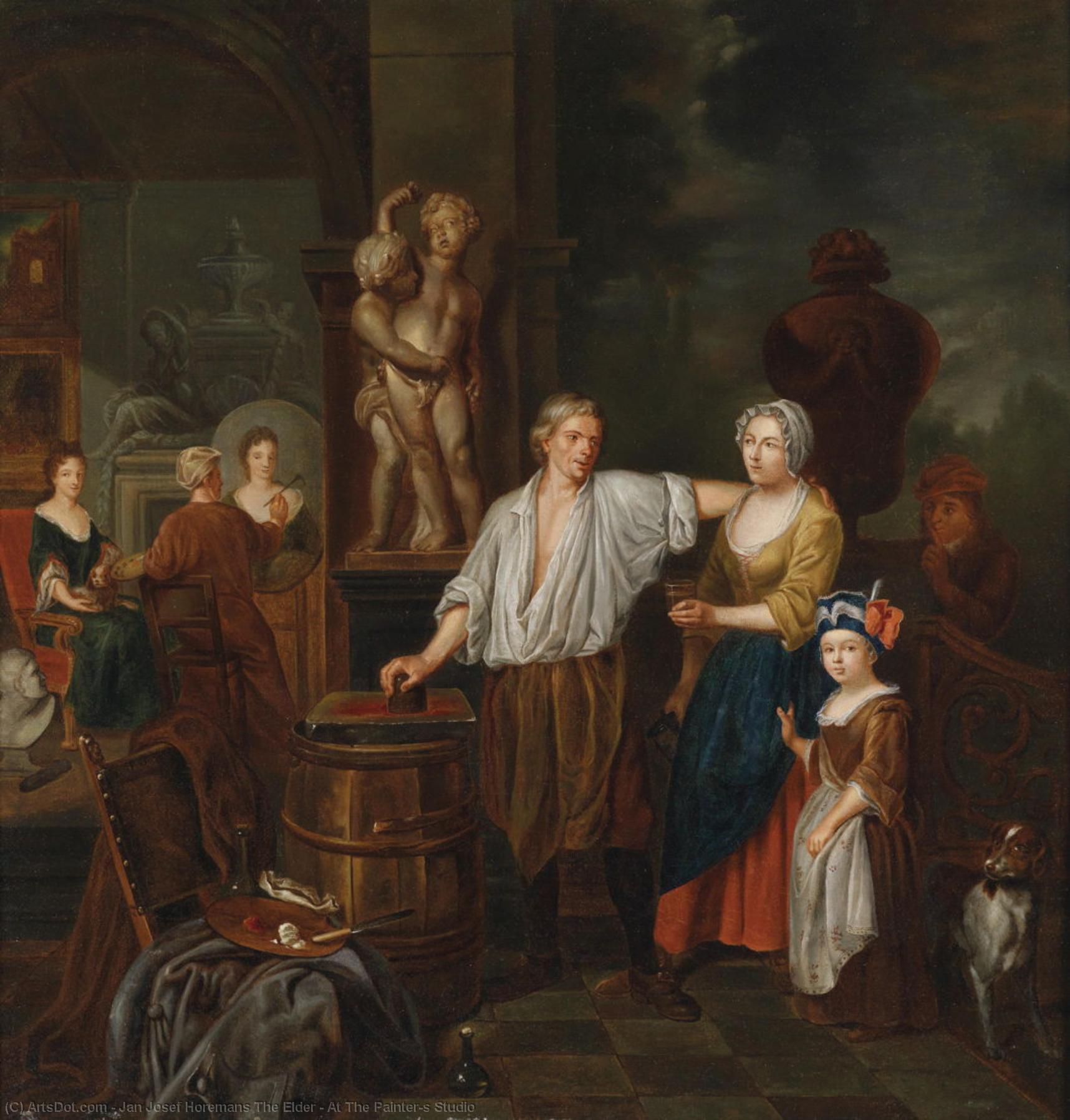
jan josef horemans the elder – Belgian painter (1682-1759) known for detailed interiors & anatomical precision.jan josef horemans the elder
jan le ducq – Explore the captivating landscapes & animal paintings of Jan Le Ducq, a Dutch master known for his dog portraits.jan le ducq

Jan Miel – Cavaliere della Vita, (Anvers, 1599 - Turin, 1663) Court artist to Charles Emanuel II, Duke of Savoy.Jan Miel

Louvre, Paris, France – INV 1447 and MR 816 (Department of Paintings)Louvre Cartel

File:Jan Miel - The beggar.JPG – Wikimedia Commons File:Jan Miel - The beggar.JPG

Louvre Cartel – Foucart, Jacques, Catalogue des peintures flamandes et hollandaises du musée du Louvre, Gallimard / Louvre éditions, 2009, p. 182, ill. n&bCatalogue des peintures flamandes et hollandaises

Korduvad küsimused

Mis on teose „LE MENDIANT“, autor Jan Miel orientatsioon?

Teose "LE MENDIANT" vorming on Panoramic. See on kasulik reproduktsiooni paigaldamise planeerimisel.

Mis on teose „LE MENDIANT“, autor Jan Miel üldine meeleolu?

Teose „LE MENDIANT“, autor Jan Miel üldine meeleolu on Calm. See meeleolu kirjeldab teose üldist atmosfääri.

Kas teoses „LE MENDIANT“, autor Jan Miel kasutatakse tugevaid kontraste või pehmeid harmooniaid?

Teose „LE MENDIANT“, autor Jan Miel värvikompositsioon ühendab endas Balanced kontrasti ja Unified Palette harmooniat.


Kunstniku elulugu

Jan Miel: Sild hollandi realismistlikkuse ja barokklassitsismi vahel

Jan Miel (1599–1663) astub esile kui võtmetäht XVII sajandi kunstimaastikul, sümboliseerides flamiimse traditsiooni ja itaalse uuenduste hämmastavat kokkupõllemist. Sündinud Belgias Beverenis — kuigi Antverp ja 's-Hertogenbosch on samuti võimalikud sünnupaigad — on Mieli varajane elu jäänud võlgtuule ette pühendatud hämarusse, jättes biograafilised detailid harvaks ajaks. Siiski paljastab teaduslik uurimine suurepärase kunstilise teekonna, mida isvestavad stiililine areng ja koostööprojektid, mis kinnistasid tema koha Rooma ja Torino vibrantses kultuurikeskkonnas.

Tema kujunendusvuodet veeti peamiselt Antverpis, kus ta imeles endasse tippmeisterite, nagu Anthony van Dycki, mõjud. Kuigi tema õppetöö täpne ulatus on ebaselge, installeeris see temasse kindlasti austuse täpsele jälgimisele ja rafineeritud tehnikale — omadused, mis isvestasid suuri osi tema hilisemas loomingul. See klassikalise joonistamise ja portreemaalide alus tuvastas vajaliku tööriistajaakule, mis lõpuks ületas piirkondlikud piirid.

Rooma transformatsioon ja Bamboccianti vaim

Mieli saabumine Rooma umbes aastal 1636 märkis murdelikku hetki tema kunstilises trajektööris. Ta liitus kiiresti Bentvueghels seltsiga, mis oli mõjuva hollandi ja flamiimse kunstnike ühendus Igavesti linnas. Selles vennaskonnas võttis ta endale meeldejääva nime „bieco”, mis peegeldas tema eripärast silmakäärdust — omadust, sellest saabus tema kunstiline alter ego. See kuuluvus lois sügavale sidust laiemale kunstikeskkonnale, mida mõjutas tugevalt Pieter van Laeri Bamboccianti stiil.

See suundumine oli pühendunud Roma ja selle ümbruse madala klassi igapäevase elu kujutamisele, vältides Kõrgsõja renessanssi ideaalset suurmeedlust, et pakkuda midagi palju viskeraalsemat ja vahetut. Miel omakasutas seda suundumist kogu südamega, luues lummavaid žanrimaleed, mis tabasid linnatema elu vaimu märkimisväärse realismi ja tundlikkusega. Tema teosed sisaldasid sageli:

  • Elusat tänavakohtasid, kus liiguavad reisijad, kaupilased ja töölised.
  • Meistralikku valguskasutust, et tekitada Rooma katusest ja päikesest ujutatud alleede tolmune atmosfäär.
  • Inimlikkuse peenud vaheldus tihedates ja kaoslikotes keskkondades.
  • Detailset tähelepanu kangaste, kivi ja mulda tekstuuridele.

Evolutsioon klassitsismi ja õukondliku suurmeelus suunas

Tema karjääri edenedes läbis Mieli kunstiline visioon märkimisväärse metamorfoosi. Kuigi ta säilis žanrimaleede meistrina, hakkas ta lahkumis tegema Bambocciati karastatud realismist suunates end paremat klassitsistlikke ajaloomaleed. See muutus peegeldas laiemat trendi Euroopa kunstis, kus baroki toores energi see sai üha enam kontrollitud järjekorduse, ülevususe ja klassikalise alegoria sooviga.

See areng tõi teda lõpuks prestiežsete ametikohtade juurde, kõige enam aga teenimisele õukonnakunstnikuna Savooi hertogi Charles Emanuel II juures. Torino õukonna teenistuses võttis Mieli töö vastu suurema formaalsuse ja hiilgab kuju. Tema varasemate Rooma koode intimus annet lõtkus suurema skaala ja keerukusega kompositsioonidele, mis olid loodud peegeldama tema kuningliku patroonide võimu ja prestiiži. See periood kujutab tema professionaalset saavutust äärmisel tasemel, kus tema flamiimiline täpsus kohtus Euroopa aristokraatide nõudlikke suurepäraste narratiividega.

Jan Mieli ajalooline tähtsus peitub tema võimes navigeerida nendes erinimelistes maailmades. Ta oli kunstnik, kes leidis ilu Rooma tänavapoala vaeva ja väärikuse antiigi eepilistes lugudes. Sild kiskudes põhjamere täpsa realismi ja lõuna riiktliku klassitsismi vahel, jättis Miel oma jälje XVII sajandi kunstikanonile, tagades oma pärandi kui tõelise baroki ajastu kosmopoliitina.

Jan Miel

Jan Miel

1599 - 1663 , Belgia

Lühikest infot

  • Artistic Movement Or Style: Bamboccianti, klassitsism
  • Artists Or Movements Influenced By This Artist: ['Pieter van Laer']
  • Artists Who Influenced This Artist: ['Anthony van Dyck']
  • Date Of Birth: 1599 Beveren, Belgia
  • Date Of Death: 1663
  • Full Name: Jan Miel
  • Nationality: Flandria
  • Notable Artworks:
    • Maalismann kahe pulga vahelisele võitlustule
    • Rooma wapekohus koos hasujate mänguga
  • Place Of Birth: Beveren, Belgia



































