Eelvaade AR-eelvaade Lülita trükkitoodetele Lülita digitaalse pildi juurde Saada
Teave teose kohta Juhend Lisa lemmikutesse Laadi alla Sarnased teosed Röntgenuuring Slaidietendus Q&A Statistika

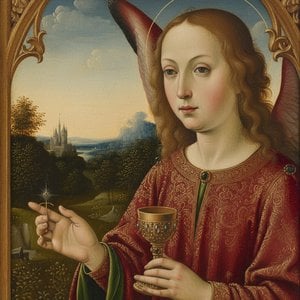
Deesis Hand-painted oil painting reproduction

Discover Jan Gossaert’s ‘Deesis,’ a stunning 1527 Renaissance masterpiece! Admire its rich detail, dramatic lighting & profound religious symbolism in this exquisite oil painting.

Avastage Jan Gossaert (Mabuse), 15.–16. sajandi flaamlase maalari! Avange tema romanistlikku stiili, religioosne stsène ja portreid – üks renessanssi kunsti võtufiguure.

Käsitsi valmistatud õlimaalireproduktsioon

Meie kunstnike poolt tellimusel valmistatud käsitsi maalitud õli-kainaste teos teie soovitud suuruses ja raamis. ( Lülita trükkitoodetele Lülita digitaalse pildi juurde)

Corner sample of the P118B picture frame: vormitud polüstüreen, 5 cm wide and 3 cm thick
P118B €10
Corner sample of the P118H picture frame: vormitud polüstüreen, 5 cm wide and 3 cm thick
P118H €10
Corner sample of the P118W picture frame: vormitud polüstüreen, 5 cm wide and 3 cm thick
P118W €10
Corner sample of the P438Z picture frame: vormitud polüstüreen, 5.5 cm wide and 3.5 cm thick
P438Z €10
Corner sample of the P508JH picture frame: vormitud polüstüreen, 7 cm wide and 3.5 cm thick
P508JH €12
Corner sample of the P508YH picture frame: vormitud polüstüreen, 7 cm wide and 3.5 cm thick
P508YH €12
Corner sample of the P805H picture frame: vormitud polüstüreen, 5 cm wide and 3.5 cm thick
P805H €10
Corner sample of the P805Z picture frame: vormitud polüstüreen, 5 cm wide and 3.5 cm thick
P805Z €10
Corner sample of the P919BZ picture frame: vormitud polüstüreen, 7 cm wide and 3.5 cm thick
P919BZ €10
Corner sample of the P919G picture frame: vormitud polüstüreen, 7 cm wide and 3.5 cm thick
P919G €10
Corner sample of the P919XJ picture frame: vormitud polüstüreen, 7 cm wide and 3.5 cm thick
P919XJ €10
Corner sample of the P959ZH picture frame: vormitud polüstüreen, 5 cm wide and 3 cm thick
P959ZH €10
Corner sample of the P968JZ picture frame: vormitud polüstüreen, 6 cm wide and 4 cm thick
P968JZ €12
Corner sample of the W106C picture frame: massivpuit, 5 cm wide and 3 cm thick
W106C €8
Corner sample of the W218G picture frame: massivpuit, 5 cm wide and 3 cm thick
W218G €10
Corner sample of the W218JH picture frame: massivpuit, 5 cm wide and 3 cm thick
W218JH €8
Corner sample of the W218Y picture frame: massivpuit, 5 cm wide and 3 cm thick
W218Y €10
Corner sample of the W307PJ picture frame: massivpuit, 6 cm wide and 3 cm thick
W307PJ €10
Corner sample of the W316G picture frame: massivpuit, 6 cm wide and 3 cm thick
W316G €10
Corner sample of the W316PJ picture frame: massivpuit, 6 cm wide and 3 cm thick
W316PJ €8
Corner sample of the W316Y picture frame: massivpuit, 6 cm wide and 3 cm thick
W316Y €10
Corner sample of the W398PJ picture frame: massivpuit, 5 cm wide and 3 cm thick
W398PJ €8
Corner sample of the W4111J picture frame: massivpuit, 6.5 cm wide and 3.5 cm thick
W4111J €10
Corner sample of the W500HY picture frame: massivpuit, 7 cm wide and 5 cm thick
W500HY €15
Corner sample of the W500JH picture frame: massivpuit, 7 cm wide and 5 cm thick
W500JH €15
Corner sample of the W692G picture frame: massivpuit, 8 cm wide and 4 cm thick
W692G €12
Corner sample of the W849H picture frame: massivpuit, 5 cm wide and 3 cm thick
W849H €8
Corner sample of the W940BG picture frame: massivpuit, 7.5 cm wide and 4.5 cm thick
W940BG €15
Corner sample of the W953PJ picture frame: massivpuit, 6 cm wide and 3.5 cm thick
W953PJ €8

Standardne suurus
kohandatud
CM
INCH

Vali meie eelmääratud suurused, mis vastavad teose algupärastele proportsioonidele.

laius
kõrgus

Sisestage vajalik laius ja kõrgus, et teos sobiks teie raamile või seinale. Kuna tegu on käsipainatud teosega, siis erineva kujuga suuruse korral võib kunstnik jätta pildi ümber veidi rohkem marginaali või lõigata osa ära — valik on teie. Enne maali alustamist saadame teile kinnitamiseks digitaalse näidisprojektsiooni. Sellel lehel näidatud pilt ei kajasta tegelikku tulemust — seda näitab ainult näidisprojektsioon.

Näited muudetavatest elementidest: asenda nägu kliendi fotoga; lisa lemmikloom (nt asenda kass koeraga); lisa taustale peidetud sõnum; muuda tausta maastikku või elemente.
Pärast tellimust saadab WahooArt.com meeskond kliendile e-posti juhised ning esitab eelvaate kavandi

Maailmline tarne 3–4 nädala jooksul tavalise 5 nädala asemel. (30 oktoober). Kvaliteedis kompromisse ei tehta.

Tasuta ekspresssaatmine üle maailma
Kõrgekvaliteediline lina-kangas
Täielik transpordikindlustus
Tollimaksude tagastamise garantii
Värvitoime täpsuse garantii
100 päeva tagastusõigus (ainult valmistusdefektide korral)
100% raha tagasi garantii
Hulgusoodustus

Kogu summa

€ 286

Deesis

Reproduktsiooni tehnika

Reproduktsiooni suurus

-

Koguhind

€ 286

Teave teose kohta

  • Influences:
    • Italian Renaissance
    • Flemish tradition
  • Movement: Romanism / Northern Renaissance
  • Artist: Jan Gossaert (Mabuse)
  • Title: Deesis
  • Notable elements or techniques: Gold leaf, glazing, dramatic lighting

A Divine Encounter: The Sacred Majesty of Jan Gossaert’s Deesis

In the quiet, hallowed atmosphere of the early sixteenth century, few works captured the intersection of earthly realism and celestial glory as profoundly as Jan Gossaert’s Deesis. Created in 1527, this masterpiece serves as a breathtaking window into the soul of the Northern Renaissance. The painting presents a sacred triad: Christ at the apex, flanked by the Virgin Mary and St. John the Baptist. This traditional iconographic arrangement, known as the Deësis—or "supplication"—depicts the holy figures in a moment of eternal intercession for humanity. As one gazes upon the composition, there is an immediate sense of being drawn into a divine court, where the boundaries between the viewer and the heavens begin to dissolve.

The emotional resonance of the piece lies in its delicate balance of power and tenderness. Gossaert, often referred to by his evocative moniker Mabuse, masterfully utilizes a triangular composition to guide the eye upward toward the central figure of Christ. The lighting is nothing short of dramatic; a soft yet piercing radiance emanicates from the center, illuminating the faces of the saints with a glow that feels both physical and spiritual. This chiaroscuro effect creates deep, velvety shadows within the dark wooden arch that frames the scene, lending the work a sculptural weight and an air of profound mystery. For the collector or designer, this painting offers more than mere decoration; it provides a focal point of intense contemplation and quiet strength.

The Alchemy of Technique and Texture

To appreciate the Deesis is to marvel at the technical virtuosity of the Netherlandish tradition blended with the burgeoning influences of Italian Romanism. Gossaert was a pioneer, an artist who breathed the air of Rome and brought its classical elegance back to the Low Countries. In this work, we see the meticulous attention to detail characteristic of his Flemish roots—the heavy, tactile folds of the drapery, the subtle translucency of skin, and the rich, opulent textures of gold and deep crimson pigments. The use of oil on wood panel allows for a layering of glazes that gives the colors an inner luminosity, making the gold leaf appear to shimmer as if caught in a flickering candlelight.

Every brushstroke serves a purpose in building a sense of tangible reality. The organic shapes of the flowing robes and rounded, compassionate faces contrast beautifully with the rigid, geometric architecture of the arched frame. This interplay between the soft and the structured creates a rhythmic harmony that is deeply pleasing to the eye. For those seeking to incorporate such a piece into a curated interior, the painting’s rich palette of earth tones, golds, and deep reds offers a sophisticated foundation for any classical or transitional design scheme, bringing an aura of historical prestige and timeless elegance to a room.

A Legacy of Faith and Humanism

Beyond its aesthetic brilliance, the Deesis is a profound theological statement. It captures the precise moment in art history when the medieval preoccupation with symbolic representation began to embrace the humanistic focus on anatomical accuracy and spatial depth. The gestures within the painting—Mary’s prayerful tilt and John the Baptist’s outstretched hand—are not merely poses; they are silent prayers captured in oil. They represent the bridge between the mortal struggle and divine mercy.

Owning a high-quality reproduction of this work allows one to invite this spirit of reverence into the modern home. It is an invitation to slow down, to observe the intricate details of Gossaert’s genius, and to find beauty in the intersection of the human and the divine. Whether placed in a private study, a grand library, or a sophisticated living space, the Deesis stands as a testament to the enduring power of Renaissance mastery, offering an unparalleled sense of peace, history, and artistic splendor.

Korduvad küsimused

Millised on teose „Deesis“, autor Jan Gossaert (Mabuse) proportsioonid ja millised on selle mõõdud?

Teos „Deesis“, autor Jan Gossaert (Mabuse) on formaadilt Square ja mõõtmedelt 133 x 122 cm.

Millist trükkimisi ja suunast on teosele „Deesis“, autor Jan Gossaert (Mabuse) soovitatav kasutada?

Teose „Deesis“, autor Jan Gossaert (Mabuse) trükkimiseks on soovitatav kasutada suurust Large ja orientatsiooni Square.

Kust saan osta teose „Deesis“, autor Jan Gossaert (Mabuse) digitaalse pildi?

Teose „Deesis“, autor Jan Gossaert (Mabuse) digitaalse faili saamiseks tellige kõrge resolutsiooniga digitaalse pildi allalaadimine selle Digitaalne kunstiteos lehel.


Kunstniku elulugu

Renessanssi pioneer: Jan Gossaerti elu ja pärand

XVI sajandi alguse muutliku maastiku keskel ei olnud vähe kunstnikke, kes suutsid nii meisterlikult ühendada Põhja põhjalikud traditsioonid ja lõuna kasvava humanismi, kui Jan Gossaert. Ajalukku jäänud kütkestava nime Mabuse all tuntud visjonärlik maalari tõus Prantsusmaa Maubeugest sai romanismi liikumingu nurgakivi. Tema elu looming on sügav metamorfoos neerlandistlikus kunstis, kus flaamlaste meistrite terav ja füüsiline realism kohtas Itaalia renessanssi suurepärset, skulptuurset elegantsi. Gossaerti uurimine on kui silmitlemine täpselt selle hetkega, mil keskaegne hing hakkas omastama antikva klassikalist valgust.

Kuigi tema varajase koolituse täpsed detailid on ajaloohirmus kadunud, oli Gossaerti kunstiline DNA sügavalt juurdunud Madensõidumaade traditsioonidesse. Arvatakse, et tema kujunendus aastad veetsin absorbeerides Rogier van der Weydeni ja Hugo van der Goesi nagu tehnilist täpsust ja rangust. Nendelt eelkäijaid päris temalt võrratu pühendumus detailidele – viis tekstuuride, kangaste ja valguse kujundamiseks, mis tundus vaatajale peaaegu kättesaadav. Gossaert polnud aga pelgalt mineviku imitator; temas elas vastuastamatu uudishimu, suunates pilgu lõunasse, et integreerida Itaalia renessanssi anatomiline täpsus ja arhitektiline suurepärasus oma kodandlikku stiili.

Põhja ja lõuna sünd

Mabuse true genius peitub tema võimes harmoniseerida kahte näibuse järgi eraldi maailma. Tema areng kui romanistliku maalari märkis lahkumist puhtast gootika tundlikkusest, mis oli kau lâu domineerinud Põhja-Euroopas. Seal, kus varajased kunstnikud keskendusid sümbolilisele sügavusele ja vaimulikule ikonograafiale, tõid Gossaert kaasa füüsilise massi ja klassikalise proportsiooni tunnet. Ta uuris inimvormi uue, teadusliku jõuga, võimaldades oma figuuridel olla ruumis olemas suurepärase skulptuurse esiga, mis oli tema ajast revolutsionaalne.

See stiililine evolutsioon on kõige selgemalt nähtav tema valguse ja atmosfääri käsitluses. Tema kätes ei valgusta valgus pelgalt stseenit, vaid see seda skulptureerib. Ta kasutas atmosfäärset perspektiivi, et luua laia ja uputavat maastikku, mis tunduvad lõputult kaugusse vajuvad, pakkudes oma teemade jaoks dramaatilist lavat.

Masterteosed ja ajalooline tähendus

Gossaerti viljakat karjääri toetas prestiižne patroonide võrgustik, mis ulatus rikkate kaupmeestest kuni kõrgetest vaimulikest ja mõrgust kuni. Tema looming oli märkimisväärselt mitmekesine, hõludes nii monumentaalseid altarpide, mis ankurdisid katedraali siseosad, kui ka intiimseid portreete, mis tabasid oma istujate psühholoogilist olemust. Mõned tema püsivaimsemad panused on:

  • Religioosne ikonograafia: teosed nagu Deesis demonstreerivad tema võimet kasutada valgust ja värvi, et tekitada sügavat vaimulikku austust, kujutledes Kristust suurepärasusega, mis on korvpalliline nii inimlik kui jumalik.
  • Müütilised narratiivid: teostes nagu Herkule ja Deianeira näitas Gossaert oma valdkonnapägast klassikaliste teemade kontrolli, kasutades antiikse müüdi lihaslikkust, et laiendada Põhja anatomilise maali asjaolu piire.
  • Portreetid: tema portreedi seisavad kui olulised ajaloolised dokumentid, iseloomustades täpset kostüümi kujundamist ja väärikast, kindlat pilku, mis peegeldab renessanssi ühiskonnas üksiku inimese tõusvat staatust.

Jan Gossaerti ajaloolist tähtsust ei saa ümarate sõnadega väljendada. Ta toimis kui elutähtis kanal, transportides Itaalia klassikalisi ideaale üle Alpid ja istutades need kindlalt Madensõidumaade viljakasse mulda. Segades flaamlase traditsiooni täiusliku käsitöö oskuse Rooma renessanssi struktuursete uuendustega, teavastas ta teed tulevatele Põhja-Euroopa kunstnike põlvkondadele. Tema pärand on etmintatud kunstiloo kanga, esindades kultuurilise sünkroonimise ja kunstilise taassündimise triumfaalset ajastut.

Jan Gossaert (Mabuse)

Jan Gossaert (Mabuse)

1478 - 1532 , Prantsusmaa

Lühikest infot

  • Artistic Movement Or Style: Romanistlik maalidustus
  • Artists Who Influenced This Artist:
    • Andrea Mantegna
    • Leonardo da Vinci
  • Date Of Birth: Maubeuge, Prantsusmaa
  • Date Of Death: 1532
  • Full Name: Jan Gossaert (Mabuse)
  • Nationality: Flaamlase
  • Notable Artworks:
    • Deesis
    • Hercules ja Deianeira
    • Püha perekond
  • Place Of Birth: Prantsusmaa