

Muuseumikvaliteediga giclée- või kangasprint kiire tootmisega ja paindlikud viimistlusvõimalused. ( Osta käsitsi maalatud teos Lülita digitaalse pildi juurde)
Vali meie eelmääratud suurused, mis vastavad teose algupärastele proportsioonidele.

Sisestage vajalik laius ja kõrgus, et see sobiks teie raamile või seinale. Trükki saab ainult lõigata, seda ei saa kunagi pildist suuremaks teha, seega ka erineva mustega suurus kaotab osa pildist. Enne trükkimist saadame teile kinnitamiseks digitaalse näidisprojektsiooni. Sellel lehel näidatud pilt ei kujuta reaalset lõiget — seda näitab ainult näidisprojektsioon.
Ülemaailmne tarne () 2 nädala jooksul, tavalise 4/5 nädala asemel. (17 november)
Ensor at his Easel
Reproduktsiooni suurus
James Ensor (1860–1949), a Belgian painter who irrevocably altered the course of Expressionism, remains an artist whose work continues to provoke contemplation and fascination. “Ensor at His Easel,” completed in 1886, exemplifies his distinctive approach—a masterful blend of observation and psychological insight—that distinguishes him from many of his contemporaries.
The painting depicts Ensor himself seated before an easel, illuminated by a warm afternoon sun, alongside a canvas bearing the unmistakable imprint of his artistic endeavors. This seemingly simple composition belies a profound depth of meaning, reflecting Ensor’s preoccupation with themes of mortality and artistic creation—themes that permeate much of his oeuvre.
Ensor's style is undeniably Expressionist, prioritizing emotional intensity over realistic representation. Thick brushstrokes dominate the canvas, conveying a palpable sense of movement and energy. The artist employs bold colors—primarily reds, yellows, and oranges—to heighten the dramatic effect, mirroring the turbulent inner landscape he sought to capture.
Technically proficient, Ensor utilized oil paints on canvas with meticulous attention to detail. However, his primary aim wasn’t merely accurate depiction; it was to communicate feeling directly to the viewer. The layering of paint creates a textured surface that contributes to the painting's unsettling atmosphere—a deliberate choice designed to unsettle and provoke.
Created during the late 1880s, “Ensor at His Easel” aligns perfectly with the burgeoning Expressionist movement. Artists like Edvard Munch and Vincent van Gogh were similarly driven by a desire to express inner turmoil and confront existential anxieties—a reaction against the prevailing optimism of Impressionism.
Furthermore, Ensor’s work echoes the influence of Paul Cézanne, who championed “art for art’s sake,” rejecting academic conventions in favor of pursuing artistic truth through innovative formal experimentation. Like Cézanne, Ensor prioritized conveying emotion over adhering to traditional aesthetic standards.
The painting is laden with symbolic significance. The artist’s gaze—direct yet melancholic—suggests a confrontation with his own mortality. Alongside the easel and canvas, Ensor included a book, symbolizing knowledge and contemplation—elements that underscore the importance of artistic introspection.
As seen in other portraits by Ensor, such as “Ensor with Masks,” he frequently depicted himself wearing masks—a recurring motif reflecting his fascination with concealment and illusion. This visual language reinforces the painting’s overarching theme: a portrayal of an artist grappling with the anxieties inherent in confronting existence itself.
James Ensor’s artistic vision continues to resonate today, inspiring artists and collectors alike. His unflinching exploration of psychological complexity—coupled with his masterful technique—solidifies his position as one of the most influential figures in Belgian art history.
"Ensor at his Easel" kannab endas Melancholic emotsionaalset toonist, mis on omane Expressionism suunale.
Soovitatav trükimõõt teosele „Ensor at his Easel“, autor James Ensor on Large.
Tegijateõiguse osas on teos "Ensor at his Easel" kuuluv klassifikatsiooni alla: avalikus õiguses – selle autoriõigud onหมดunud.

James Ensor sündis 13. aprillil 1860 Belgias, Ostendis. Tema identiteeti kujendas spetsiifiline kultuuriline ristumiskoht: tema isa, James Frederic Ensor, oli sündinud Brüsselis inglise päritolu vanemate juures, samas kui tema ema, Maria Catherina Haegheman, oli belgialane. See topeltpärand pani aluse vaatenurgale, mis asus sageli kohaliku traditsiooni kitsaste piiride väljas. Kasvades elas kunstnik Ostendis oma vanemate hallata souvenirpoe seinade vahel. See keskkond ei olnud pelgalt elupaik, vaid kummaliste ja dekoratiivsete asjade hoidla. Pood oli täis merekooreid, karnevalimaske ja veeretavaid esemeid, mis pakkusid visuaalset sõnavara tema hilisemale loomingule.
Tema kunstiline ametikoolitus oli proovide ja eksimuste protsess. Enne akadeemia ranget keskkonda alustas ta oma kunstilist harjutamist kahe kohaliku maalari juures. See varane õpetus pakkus tehnilist alustala, mida ta hiljem manipuleeris ja moonutas. Aastatel 1877 kuni 1880 käis ta Brüsseli Académie Royale des Beaux-Arts ülikoolis. Isegi akadeemiliste seinade sees püsisid tema huvid eristuvana institutsiooni rangetest ootustest. Ta ei olnud status quo õpilane; ta oli Ostendis endi ümbritsevate esemete õpilane.
James Ensori algased teosed ei olnud veel täis seda psühholoogilist pingeid, mis iseloomustab tema küpismatust kunst. Teoslikus Russian Music (1881) ja The Drunkards (1883) töötas ta veel tõliskujulisel, realistlikul raamistikul, kus kompositsioonid tuganusid vaosustatud toonidele ja igapäevase elu traditsioonilistele esitustele. Need pildid paljastavad kunstniku, kes oli veel kinnitatud realismi raskele kohale, enne kui tema visuaalne keel läbis radikaalse muudatuse. Lõpuks loobis ta sellest piirangust, eelistades palettrit, mis muutus märkimisväärselt ergem, samas kui tema teemad liikusid üha kummalisemas suunas.
Suunamine groteski poole oli tingitud spetsiifilisest huvist maskide vastu. Ta oli lummatuses tema plastiliste vormide ja intensiivsete värvide vastu, mida leidis oma pere suvenipoest, kus riidasid karnevaalimaskid. Need esemed ei olnud pelgalt rekvisiidid, vaid said keskseks osaks tema esteetikale. Ta integreeris neid oma liblepiltides, et lisada stseenidele teatraalist kvaliteeti ja murda kodust atmosfääri. See liikumine irratsionaalse poole võimaldas tal ületada lihtsa esituse piirid ja astuda psühholoogilise pinge maailma.
Ensori pidev keskendumine maskidele ja groteski maailmale loob otsese sidla kaasaegse ajastu psühholoogiliste pingete juurde. Teoses The Scandalized Masks (1883) väljenduslikud tema varajane huvi varjastamise jõu vastu nähti läbi karnevalistliku motiivi, mis pidi eemaldama ühiskondlikud eirad ja naaskid. See fascinatsioon teatraalsuse ja rahutava maailma vastu ei olnud pelgalt stiililine valik, vaid sügavam meetod identiteedi uurimiseks. Tema 1882. aasta teos The Oyster Eater demonstreerib tema oskust hallata valgust ja värvi teiselegi, esitledes tema õde Mitche'i stseenis, mis panees murtma Antwerpi Salongide konservatiivseid väärtushinnanguid. See maaliettevõte, mille tagasiajamine establishmenti poolt, rõhutab lõhkumist tema visiooni ja selleaaja rangete normide vahel.
Kunstniku liikumine veelgi aggressiivsemate ja ekspressiivsemate vormide poole on kõige selgemalt nähtav tema monumentaalsetes kompositsioonides. Christ's Entry Into Brussels (1888-1889) toimib XX sajandi ekspressionismi eeltulekina, kasutades kaotilist, eriti värvilist grotesksete figuuride rühmitust, et parodeerida modernset ühiskonda. Eksistentsiaalne võitlus on veelgi lõputult kättesaav The Man of Sorrows (1891) õli-toonilises teoses, kus Kristuse kannatused on ühendatud Jaapani Noh-teatri maski jarring-efektiga. Sellised teosed paljastavad mehe, kes kasutab religioosseid ja allegorilisi teemasid, et väljendada sügavat pettumust inimlikku käitumises ja ühiskondlikus ükskõlastuses.
Surm ja olemasolu absurdus jäävad tema loomingus keskseks teemaks. Skeletons Fighting over a Hanged Man (1891) kasutab luurangede figuure, et seisutada vaataja vastu lagunevuse ja surma vältimatut tegelikkust. Süsinud, kiusatuse ja välimuse habirikkuse korduvad motiivid tagavad, et tema kunst jääks edasasti uuringute võimsaks objekti. Tema võime sünteesida need tumedad ja sageli ebamugavad tõed ühtse visuaalse keeleks ongi see, mis määrab tema panuse modernismile üleminekus.
James Ensori kohalolu suurtes rahvusvahelistes kogendustes kinnitab tema püsivat mõju modernismi arendamisele. Antwerpis hoiab Antwerpi Kunsti Muuseum kaks olulist teost: Vaevatav mees ja Õisterõõmatu. Need teosed demonstreerivad kunstniku tehnilist laiust, kes suutis liiguda religioosest pingestusest kuni kodseks tuntud stseenideni. Tema mõju ulatub üle Atlantiku, kus New Yorki Moderni Kunstimuuseum säilitab teose Püha Antonii katsimused. See töö on jäänud esindavaks näidiseks tema üleminekust ebatavalise ja psühholoogilise maailma poole.
Tema piltide ulatus on globaalne. Los Angelesis asuv Getty Center hoiab endas Kristuse sissepõrkemine Brüsseli, massiivset kompositsiooni, mis püüab kinni tema kõige agressiivsemad sotsiaalsed kriitika. Samal ajal säilitab Fort Worthis Kimbell Art Museum teose Luurangud, kes end soojendavad. Need hajutatud asukohad tagavad, et tema visuaalne keel, mida iseloomustab keeldumine akadeemilistele normidele allbvõtmisest, jääb kättesaadavaks nii teadlastele kui ka kunstihuvilistele vaatlejatele üle kogu maailma.

1860 - 1949 , Belgia

Explore the profound psychological depth of Expressionist portraiture. From Munch to Schiele, discover how distorted forms and visceral brushstrokes unmask raw human emotion in this definitive guide for art enthusiasts and collectors.

Immerse yourself in the profound emotion of Rogier van der Weyden. Explore 25 iconic Early Netherlandish masterpieces, from intricate textures to divine pathos. Find inspiration for museum-quality art reproductions and decor. Discover all masterpieces on WahooArt.com.
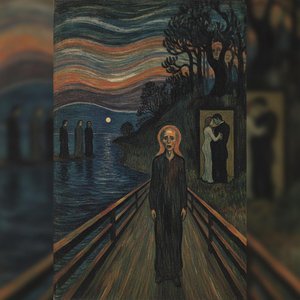
Journey through the raw emotion of Expressionism with our curated guide to Edvard Munch's top 25 masterpieces. Explore the stories behind his most iconic works and find museum-quality art reproductions for your collection. Discover all masterpieces on WahooArt.com.
 Eelvaade
 Saada
Saada Jaga
Jaga
 Teave teose kohta
 Juhend

 Laadi alla
 Sarnased teosed
 Röntgenuuring
 Slaidietendus
 KÜSIMUSED JA VASTUSID
 Statistika

 Loe lähemalt






































 Klaasivalik on saadaval ainult kuni 110 cm suuruses teostes


