Müügiplatvormi liitumine
x
EelvaadeEelvaade AR-eelvaadeAR-eelvaade Osta käsitsi maalitud maal Osta käsitsi maalitud maalOsta pilt Osta pilt SaadaSaada
Teave teose kohtaTeave teose kohta Lisa lemmikutesse Lisa lemmikutesse Laadi allaLaadi alla Sarnased teosedSarnased teosed RöntgenuuringRöntgenuuring SlaidietendusSlaidietendus

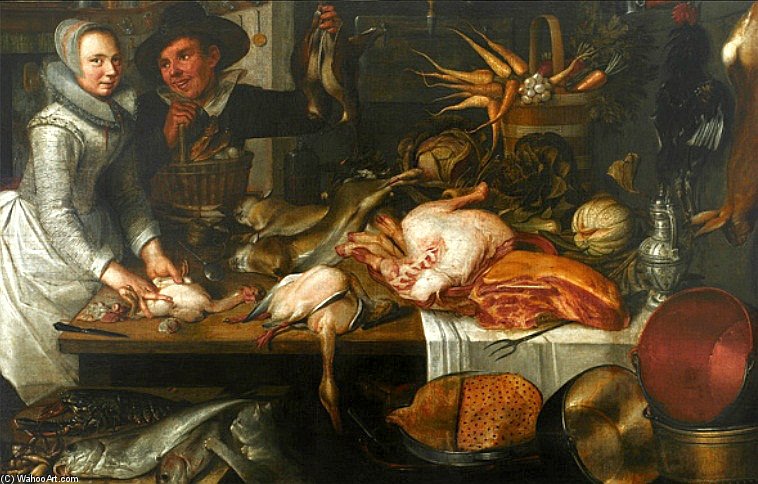
Kitchen Scene.

Explore the engravings of Jacob Matham (1571-1631), a Haarlem artist known for his prints after Rubens & Pieter Aertsen. Master engraver, pupil of Hendrik Goltzius.

Giclée / Kunstiprint

Muuseumikvaliteediga giclée- või kangasprint kiire tootmisega ja paindlikud viimistlusvõimalused. (Osta käsitsi maalitud maal Osta käsitsi maalitud maalOsta pilt Osta pilt)

Standard
custom
CM
INCH

Vali meie eelmääratud suurused, mis vastavad teose algupärastele proportsioonidele.

laius
kõrgus

Saate sisestada oma mõõdud, et need sobiks konkreetse raami või ruumi sisse. Kui valitud suurus ei vasta originaalteose proportsioonidele, lõigame teose ära või laiendame pilti peegeldatud või ühtlase servaga. Enne tootmisprotsessi algust saadetakse Teie kinnitamiseks digitaalne näidis.
Palun märka, et ekraanil kuvatav eelvaade ei kajasta tegelikku lõigamist või laiendamist. Ainult näidis kujutab täpselt lõplikku kompositsiooni.
Kuigi erimõõdu on saadaval, soovitame originaaproportsioonide säilitamiseks valida mõõt ette määratud nimekirjast.

Ülemaailmne tarne () 2 nädala jooksul, tavalise 4/5 nädala asemel. (16 august)

why_choose_icon
Tasuta ekspresssaatmine üle maailma
why_choose_icon
Kõrgekvaliteediline linakangas
why_choose_icon
Täielik transpordikindlustus
why_choose_icon
Tollimaksude tagastamise garantii
why_choose_icon
Värvitoime täpsuse garantii
why_choose_icon
60-päevane tagastusõig: ainult tootmisdefektide korral
why_choose_icon
100% raha tagasi garantii
why_choose_icon
Hulgusoodustus

Kogu summa

$ 68

reproduction

Kitchen Scene.

Giclée / Kunstiprint

Reproduktsiooni suurus

-

Kogusumma

$ 68


Kunstniku elulugu

The Master of the Burin: The Lineage of Jacob Matham


In the vibrant heart of Haarlem, where the pulse of the Dutch Golden Age beat with unparalleled vigor, Jacob Matham emerged not merely as a craftsman, but as a vital conduit for the era's most profound visual narratives. Born in 1571 into a family deeply rooted in the art of printmaking, Matham’s very existence was intertwined with the rhythmic scratch of the engraver's tool and the delicate flow of ink. His early years were shaped by the formidable brilliance of his mentor and stepfather, the legendary Hendrik Goltzius. From this prestigious lineage, Matham inherited a sacred dedication to precision—a mastery of line that allowed him to manipulate ink as if it were liquid light, capturing the subtle textures of skin, fabric, and landscape with an almost supernatural clarity.

Bridging the Great Masters


Matham’s true genius lay in his ability to act as a bridge between the monumental canvases of the era's greatest painters and the wider, more accessible world of print. He did not simply replicate; he interpreted. When he turned his attention to the works of Peter Paul Rubens, Matham captured the sheer emotional intensity and muscular grandeur that defined the Baroque spirit. His engravings, particularly those produced during Rubens' prolific period between 1611 and 1615, breathed new life into the master's visions, translating monumental scale into the intimate, intricate language of the copperplate. Similarly, his engagement with the compositions of Pieter Aertsen demonstrated a remarkable versatility, as he navigated the transition from the dramatic to the detailed, ensuring that the complex narratives of these masters could be shared across borders and through generations.

A Symphony of Ink and Light


Beyond the reproduction of existing masterpieces, Matham’s original pen-and-ink works reveal a profound sensitivity to the Dutch landscape and the passage of time. In his 1627 masterpiece, View of the De Drie Leliën Brewery at Haarlem and Velserend Manor, we witness a breathtaking display of technical discipline. Using sophisticated pen strokes on prepared panels, he achieved a visual clarity that mimics the precision of engraving, capturing the bustling vitality of the River Spaarne and the industrious spirit of the brewery. His repertoire was as diverse as it was dramatic, characterized by:

  • The poignant and heavy shadows of Samson and Delilah, where chiaroscuro heightens the sense of impending tragedy;
  • The mythological elegance found in Mars and Venus, rich with symbolic depth and classical beauty;
  • The delicate, rhythmic landscapes that immortalized the prosperity and personal legacies of his native Haarlem.


Through this extraordinary command of both line and light, Jacob Matham secured his place not just as a follower of great men, but as an artist who defined the very texture of the Dutch Golden Age.
Jacob Matham

Jacob Matham

1571 - 1631 , Netherlands

Lühikesed faktid

  • Artistic Movement Or Style: Baroque Engraving
  • Artists Or Movements Influenced By This Artist: ['Rubens']
  • Artists Who Influenced This Artist: ['Hendrik Goltzius']
  • Date Of Birth: 1571 Haarlem Netherlands
  • Date Of Death: 1631
  • Full Name: Jacob Matham
  • Nationality: Dutch
  • Notable Artworks:
    • Samson and Delilah
    • Mars & Venus
  • Place Of Birth: Haarlem Netherlands