Eelvaade AR-eelvaade Osta käsitsi maalatud teos Lülita digitaalse pildi juurde Saada
Teave teose kohta Juhend Lisa lemmikutesse Laadi alla Sarnased teosed Röntgenuuring Slaidietendus KÜSIMUSED JA VASTUSID Esitlus Statistika

Alexandre le Grand devant le tombeau d'Achille

Hubert Robert's 'Alexander the Great before Achilles’ Tomb' captures a poignant scene of historical reflection amidst Roman ruins, blending Neoclassical and Romantic elements with evocative lighting and textures.

Hubert Robert (1733-1808): Prantsuse maalikunstnik, tuntud luksuslike varemete ja *capriccio* vaadetega. Ühendab ajalugu, fantaasiat ja romantismit. Avasta tema kunstiteoseid!

Giclée / Kunstiprint

Muuseumikvaliteediga giclée- või kangasprint kiire tootmisega ja paindlikud viimistlusvõimalused. ( Osta käsitsi maalatud teos Lülita digitaalse pildi juurde)

Corner sample of the P118B picture frame: vormitud polüstüreen, 5 cm wide and 3 cm thick
P118B €10
Corner sample of the P118H picture frame: vormitud polüstüreen, 5 cm wide and 3 cm thick
P118H €10
Corner sample of the P118W picture frame: vormitud polüstüreen, 5 cm wide and 3 cm thick
P118W €10
Corner sample of the P438Z picture frame: vormitud polüstüreen, 5.5 cm wide and 3.5 cm thick
P438Z €10
Corner sample of the P508JH picture frame: vormitud polüstüreen, 7 cm wide and 3.5 cm thick
P508JH €12
Corner sample of the P508YH picture frame: vormitud polüstüreen, 7 cm wide and 3.5 cm thick
P508YH €12
Corner sample of the P805H picture frame: vormitud polüstüreen, 5 cm wide and 3.5 cm thick
P805H €10
Corner sample of the P805Z picture frame: vormitud polüstüreen, 5 cm wide and 3.5 cm thick
P805Z €10
Corner sample of the P919BZ picture frame: vormitud polüstüreen, 7 cm wide and 3.5 cm thick
P919BZ €10
Corner sample of the P919G picture frame: vormitud polüstüreen, 7 cm wide and 3.5 cm thick
P919G €10
Corner sample of the P919XJ picture frame: vormitud polüstüreen, 7 cm wide and 3.5 cm thick
P919XJ €10
Corner sample of the P959ZH picture frame: vormitud polüstüreen, 5 cm wide and 3 cm thick
P959ZH €10
Corner sample of the P968JZ picture frame: vormitud polüstüreen, 6 cm wide and 4 cm thick
P968JZ €12
Corner sample of the W106C picture frame: massivpuit, 5 cm wide and 3 cm thick
W106C €8
Corner sample of the W218G picture frame: massivpuit, 5 cm wide and 3 cm thick
W218G €10
Corner sample of the W218JH picture frame: massivpuit, 5 cm wide and 3 cm thick
W218JH €8
Corner sample of the W218Y picture frame: massivpuit, 5 cm wide and 3 cm thick
W218Y €10
Corner sample of the W307PJ picture frame: massivpuit, 6 cm wide and 3 cm thick
W307PJ €10
Corner sample of the W316G picture frame: massivpuit, 6 cm wide and 3 cm thick
W316G €10
Corner sample of the W316PJ picture frame: massivpuit, 6 cm wide and 3 cm thick
W316PJ €8
Corner sample of the W316Y picture frame: massivpuit, 6 cm wide and 3 cm thick
W316Y €10
Corner sample of the W398PJ picture frame: massivpuit, 5 cm wide and 3 cm thick
W398PJ €8
Corner sample of the W4111J picture frame: massivpuit, 6.5 cm wide and 3.5 cm thick
W4111J €10
Corner sample of the W500HY picture frame: massivpuit, 7 cm wide and 5 cm thick
W500HY €15
Corner sample of the W500JH picture frame: massivpuit, 7 cm wide and 5 cm thick
W500JH €15
Corner sample of the W692G picture frame: massivpuit, 8 cm wide and 4 cm thick
W692G €12
Corner sample of the W849H picture frame: massivpuit, 5 cm wide and 3 cm thick
W849H €8
Corner sample of the W940BG picture frame: massivpuit, 7.5 cm wide and 4.5 cm thick
W940BG €15
Corner sample of the W953PJ picture frame: massivpuit, 6 cm wide and 3.5 cm thick
W953PJ €8

Standardne suurus
kohandatud
CM
INCH

Vali meie eelmääratud suurused, mis vastavad teose algupärastele proportsioonidele.

laius
kõrgus

Sisestage vajalik laius ja kõrgus, et see sobiks teie raamile või seinale. Trükki saab ainult lõigata, seda ei saa kunagi pildist suuremaks teha, seega ka erineva mustega suurus kaotab osa pildist. Enne trükkimist saadame teile kinnitamiseks digitaalse näidisprojektsiooni. Sellel lehel näidatud pilt ei kujuta reaalset lõiget — seda näitab ainult näidisprojektsioon.

Ülemaailmne tarne () 2 nädala jooksul, tavalise 4/5 nädala asemel. (8 november)

Tasuta ekspresssaatmine üle maailma
Kõrgekvaliteediline lina-kangas
Täielik transpordikindlustus
Tollimaksude tagastamise garantii
Värvitoime täpsuse garantii
100 päeva tagastusõigus (ainult valmistusdefektide korral)
100% raha tagasi garantii
Hulgusoodustus

Kogu summa

€ 62

Alexandre le Grand devant le tombeau d'Achille

Giclée / Kunstiprint

Reproduktsiooni suurus

-

Koguhind

€ 62

Teave teose kohta

  • Title: Alexandre le Grand devant le tombeau d'Achille
  • Artist: Hubert Robert
  • Artistic style: Classical, evocative
  • Notable elements: Ruined architecture, figures
  • Location: Louvre, Paris

Kunstiteaduse kvartett

Iga küsimuse kohta on ainult üks õige vastus.

Küsimus 1:
What is the primary subject depicted in ‘Alexandre le Grand devant le tombeau d’Achille’?
Küsimus 2:
The artwork’s color palette primarily features:
Küsimus 3:
Which artistic movement is most strongly associated with Hubert Robert’s style as demonstrated in this painting?
Küsimus 4:
The perspective in ‘Alexandre le Grand devant le tombeau d’Achille’ is best described as:
Küsimus 5:
What does the ruined setting in the painting likely symbolize?

A Dramatic Encounter: Hubert Robert’s Meditation on Power and Decay

Hubert Robert’s “Alexandre le Grand devant le tombeau d’Achille” (c. 1754-1757) is not merely a depiction of a historical scene; it's a carefully constructed tableau brimming with symbolic weight, rendered in the evocative style characteristic of the late 18th century. The painting transports us to a ruined Roman landscape – a deliberate choice by Robert that immediately establishes a dialogue between grandeur and transience. Here, Alexander the Great stands before what is clearly identified as Achilles’ tomb, not in triumphant victory, but in a posture of contemplative solemnity. This isn't the heroic Alexander of classical sculpture; he appears almost weary, his gaze fixed on the fragmented remains of the past, suggesting a profound awareness of mortality and the fleeting nature of even the most formidable power.

Robert masterfully employs a flattened perspective, prioritizing atmosphere and emotional resonance over strict adherence to linear realism. The composition is deliberately complex, layering figures – soldiers, onlookers, and Alexander himself – within a carefully orchestrated architectural setting. The strong vertical lines of the columns contrast sharply with the horizontal fragmentation of the fallen structures, creating a visual tension that mirrors the painting’s thematic concerns. Notice how Robert uses diffused lighting, reminiscent of an overcast day, to soften the edges and imbue the scene with a melancholic quality. The earthy color palette – dominated by ochres, browns, and muted blues – further reinforces this sense of age and decay, while subtle touches of red in the drapery draw the eye and add a touch of dramatic intensity.

Neoclassical Roots, Romantic Longing

While firmly rooted in the Neoclassical tradition—a style emphasizing clarity, order, and rational composition—Robert’s work also reveals a strong influence from the burgeoning Romantic movement. The ruins themselves are not simply historical artifacts; they represent a powerful symbol of time's relentless passage and the inevitable decline of all things. The scene evokes a sense of nostalgia for a lost golden age, a yearning for beauty amidst decay – a hallmark of Romanticism’s fascination with emotion and the sublime. Robert wasn’t just documenting ruins; he was crafting visions, blending observation with imagination to create scenes that resonated with both a longing for the past and an anticipation of the future.

The choice of Achilles' tomb is particularly significant. Achilles, the epitome of heroic strength and martial prowess, represents an ideal of masculine virtue—a concept increasingly challenged by the Enlightenment’s emphasis on reason and individual liberty. Alexander, standing before his demise, implicitly acknowledges this shift in values. The juxtaposition of the powerful conqueror with the fallen hero suggests a subtle critique of unchecked ambition and the ultimate futility of earthly glory. Robert's skill lies not just in depicting the scene accurately but in imbuing it with layers of meaning that invite contemplation.

Technique and Materials: A Layered Masterpiece

“Alexandre le Grand devant le tombeau d’Achille” is a testament to Robert's meticulous technique. Likely executed in oil on canvas, the painting demonstrates a sophisticated understanding of color blending and layering—a hallmark of the Rococo and Neoclassical periods. The visible brushstrokes contribute to the sense of texture and immediacy, while subtle glazing techniques create depth and luminosity. The rough, aged surfaces of the ruins are contrasted with smoother areas of skin tones, further emphasizing the painting’s thematic concerns about time and decay. Robert's use of pigments mixed with oil—a standard practice at the time—allowed him to achieve a remarkable range of tonal values and subtle color variations.

The painting’s composition suggests a deliberate effort to capture not just a visual likeness but also an emotional atmosphere. Robert’s careful attention to detail, combined with his masterful use of light and shadow, creates a scene that is both visually stunning and profoundly moving. It's a work that invites the viewer to contemplate the enduring legacy of heroes, the inevitability of decay, and the complex relationship between power and mortality.

Korduvad küsimused

Millist värvipaletti ja millist tunnet "Alexandre le Grand devant le tombeau d'Achille" ühendab?

Teose „Alexandre le Grand devant le tombeau d'Achille“, autor Hubert Robert Earthy värvigamma sobib suurepäraselt kokku selle Melancholic emotsionaalse tooniga. Värv on üks viiseid, kuidas teos tunde edastab.

Kuidas teose „Alexandre le Grand devant le tombeau d'Achille“, autor Hubert Robert väripaletti kirjeldatakse?

Teose "Alexandre le Grand devant le tombeau d'Achille" värvid moodustavad Earthy paleti. See klassifikatsioon kirjeldab domineerivaid värvigruppe.

Millises muuseumis on säilitatud originaal "Alexandre le Grand devant le tombeau d'Achille"?

Teos „Alexandre le Grand devant le tombeau d'Achille“, autor Hubert Robert on näitustel Louvre'i muuseum, Paris, France. Muuseumi keterangane viitab originaalteosele, mitte reproduktsioonidele.

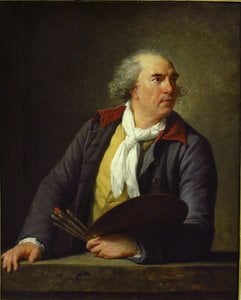
Kunstniku elulugu

Maalija Rüütlite ja Visioonide Maailmas: Hubert Robert'i Elu ja Looming

Hubert Robert, 18. sajandi prantsuse kunsti maastike ja varemete poeetilise võlu sünonüüm, omab ainulaadset kohta ajaloos. Ta sündis Pariisis 1733. aastal ning tema elu kulges muutuvate kunstistiilide ja monumentaalsete ajalooliste sündmuste taustal – rokokoo mängulise elegantsi ja neoklassitsismi koidu vahel, lõppedes Prantsuse revolutsiooni tormilistes aastates. Robert ei piirdunud lagunemise dokumenteerimisega; ta lõi visioone, ühendades tähelepanekuid kujutlusvõimega, et luua stseene, mis resoneerisid nii nostalgiaga mineviku vastu kui ka ootusliku tulevikuvõimuga. Tema kunstialane teekond algas struktureeritud õppekeskkonnas, esmalt skulptori Michel-Ange Slodtz juures, kes tunnistas Robert'i andekust, kuid soovitas talle maalimist, aimates tema tõelist kutsumust valguse, atmosfääri ja vormi peene poeesia tabamises.

Rooma Unelmad: Kunstniku Identiteedi Kujunemine

Pöördepunkt Robert'i kunstilises arengus saabus 1754. aastal Rooma pikaleveninud reisiga. Étienne-François de Choiseuli saatjana sukeldus ta maailma, mis oli täis ajalugu ja arhitektuurilist suursugemusust. Üheksa aasta jooksul sai iidne linn tema õues stuudioks, selle lagunevad templid, majesteetlikud kaared ja lopsakad aiad toites tema kujutlusvõimet. See ei piirdunud nähtuga kopeerimisega; see puudutas seda interpreteerimist, ümberkujundamist ja melanhoolse ilu sissehingamist. Ta töötas koos Giovanni Paolo Paniniga, kelle mõju on näha Robert'i varajastes *capriccio* kompositsioonides – fantaasiarikkais vaadetes, mis seadsid klassikalised varemed kaasaegse eluga vastandusse. Kuid Robert ületas kiiresti jäljendamist, arendades oma eristava stiili, mida iseloomustas tähelepanuväärne detailirohkus, atmosfääriperspektiiv ja sügav tundlikkus valguse ja varju mängu suhtes. Ta ei maalinud lihtsalt varemeid; ta maalis aega ennast, tabades transiendi valu ja mälestuste püsivat jõudu. Tema visandiraamatud sellest perioodist on hindamatu väärtusega dokumendid tema tähelepanekutest, täis üksikasjalikke uuringuid Rooma vaatamisväärsustest nagu Villa d'Este ja Caprarola, mis demonstreerivad teravat silma arhitektuuriliste nüansside ja maastiku kompositsiooni suhtes.

Pariisi Aplaus ja Kuninglik Patroonage

Robert’i naasmine Pariisi 1765. aastal tähistas pöördepunkt tema karjääris. Ta saavutas kiiresti tunnustuse kunstilises ringkonnas, tagades sissepääsu Académie Royale de Peinture et de Sculpture teosega “Rooma sadam, kaunistatud erinevate arhitektuurimonumentidega, antiiksete ja kaasaegsete”. Tema järgnevad näitused Salonis pälvisid laialdast kiitust, lummates publikut varemete ja maaliliste maastike elavate kujutistega. Denis Diderot, valgustusaja silmapaistev tegelane, kiitis kuulsalt Robert’i maalide äratatud suursugemusust, tunnustades tema võimet transportida vaatajad teise ajastu ja kohta. See edu viis kuninglikku patroonage'i, tellimusi dekoratiivprojektide jaoks ning ametisse nimetamist “Kuninga aiade kujundajaks” ja hiljem “Kuninga piltide hoidjaks”. Temast sai ihaldatud kunstnik mitte ainult tema alusmaalide eest, vaid ka uuenduslike disainide eest aedade ja palee interjööride jaoks. Tema töö resoneeris valitseva *capriccio* maalimise maitsega – žanriga, mis meeldis kollektsionääridele, kes olid huvitatud ajaloost, arheoloogiast ja pitoreesksetest kohtadest –, kuid Robert lisas sellele ainulaadse tundlikkuse, tõstes selle puhtalt dekoratiivkunsti tasemelt.

Revolutsioon, Vastupidavus ja Püsiv Pärand

Prantsuse revolutsioon esitas Robert’ile enneolematu väljakutse. Kuigi paljud kunstnikud võitlesid turbulentse poliitilise kliima tingimustes, jäi ta muutuste ristlõikesse. Ta pidi isegi Terrori valitsusajal lühiajaliselt vangistusse sattuma – vapustav kogemus, mis inspireeris siiski jooniste sarja tema vangistuses veedetud ajast. Märkimisväärselt jätkas ta intensiivset maalimist kogu selle perioodi jooksul, demonstreerides vankumatut pühendumust oma kunstile. Revolutsiooni järel määrati Robert kuraatoriks äsjaloodud Muséum Central des Arts’i – tulevase Louvre'i muuseumi –, mis on tunnistuseks tema teadmistele ja kultuuripärandi säilitamisele pühendumisele. Ta mängis olulist rolli muuseumi kollektsiooni organiseerimises ja kataloogimises, tagades Prantsusmaa kunstiliste aarete kaitsmise tulevaste põlvkondade jaoks. Hubert Robert suri Pariisis 1808. aastal, jättes maha erakordse loomingu, mis jätkab aukartust ja imetlust äratavat inspiratsiooni. Tema pärand ei seisne mitte ainult tema tehnilises meisterlikkuses, vaid ka tema ainulaadses võimes ühendada ajalooline täpsus kujutlusvõimuga. Ta oli žanri pioneer maalimisel, mis tähistas nii lagunemise ilu kui ka inimloomingute püsivat jõudu, kinnistades oma koha olulise figuurina rokokoo ja neoklassitsismi vahel ning ennustades romantismi aspekte oma ajaloo- ja kujutlusvõimuhuviga.
  • Põhivõimed: Giovanni Paolo Panini, Piranesi, Rooma arhitektuuriline maastik.
  • Peamised teemad: Varemed, maastikud, *capriccio* maalid, ajalooline mälu, aja möödumine.
  • Kunstistiil: Tähelepanuväärne detailirohkus, atmosfääriperspektiiv, elav valgustus, tähelepanekute ühendamine kujutlusvõimega.
Hubert Robert

Hubert Robert

1733 - 1808 , Prantsusmaa

Lühikest infot

  • Artistic Movement Or Style: Romantism, Neoklassitsism
  • Artists Or Movements Influenced By This Artist: ['Romantism']
  • Artists Who Influenced This Artist:
    • Giovanni Panini
    • Piranesi
  • Date Of Birth: 22. mai 1733
  • Date Of Death: 15. aprill 1808
  • Full Name: Hubert Robert
  • Nationality: Prantslane
  • Notable Artworks:
    • Rooma sadam
    • Galatea lend
    • Louvre'i galerii
  • Place Of Birth (City And Country): Pariis, Prantsusmaa