Kunstniku elulugu
Edgar Degas
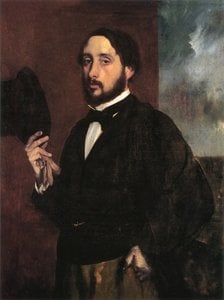
Edgar Degas (sünninimi Hilaire-Germain-Edgar de Gas; 19. juuli 1834 Pariis – 27. september 1917 Pariis) oli prantsuse impressionistlik kunstnik ja skulptor. Edgar Degas leiutas niinimetatud märja pastelli. See on tehnika, milles peensusteni viimistletud pastelljoonistus kastetakse üle vee või piimaga. Selle tulemusena sulavad toonid kokku ja pilt tundub olevat maalitud.
Elukäik ja Looming
Edgar Degas oli suur kunstnik, kes jäi maailmale hilisemas perioodis märkimiseks. Ta oli üks impressionismi tunnuseid kandvate kunstnike seas – Monet, Renoir ja teised kes revolutsiooni tõelise värvikirjaga maalilepingutesse lõi 1860-ndatel aastatel. Tema suurim saavutus oli balletti kujutamine, mis jäi tema kogu karjääril keskenduseks. Ta ei püsinud ainult maalimas ilusid balleti õpetajaid; ta tabas nende töö reaalse maailma raskusi – lõputult proovete, füüsilist survet ja vähese hetke ilu maailmas, kus toimub palju tööd. Tema kompositsioonid olid tavapäraselt uudsed, kujutades näitlejaid tänaval või õhtu klubis. Ta oli suur kunstnik, kes jäi hiljemalt maailmale märkimiseks. Ta oli üks impressionismi tunnuseid kandvate kunstnike seas – Monet, Renoir ja teised kes revolutsiooni tõelise värvikirjaga maalilepingutesse lõi 1860-ndatel aastatel. Tema suurim saavutus oli balletti kujutamine, mis jäi tema kogu karjääril keskenduseks. Ta ei püsinud ainult maalimas ilusid balleti õpetajaid; ta tabas nende töö reaalse maailma raskusi – lõputult proovete, füüsilist survet ja vähese hetke ilu maailmas, kus toimub palju tööd. Tema kompositsioonid olid tavapäraselt uudsed, kujutades näitlejaid tänaval või õhtu klubis. Ta oli suur kunstnik, kes jäi hiljemalt maailmale märkimiseks.
Ta ei püsinud ainult maalimas ilusid balleti õpetajaid; ta tabas nende töö reaalse maailma raskusi – lõputult proovete, füüsilist survet ja vähese hetke ilu maailmas, kus toimub palju tööd. Tema kompositsioonid olid tavapäraselt uudsed, kujutades näitlejaid tänaval või õhtu klubis. Ta oli suur kunstnik, kes jäi hiljemalt maailmale märkimiseks. Tema kompositsioonid olid tavapäraselt uudsed, kujutades näitlejaid tänaval või õhtu klubis. Ta oli suur kunstnik, kes jäi hiljemalt maailmale märkimiseks. Tema kompositsioonid olid tavapäraselt uudsed, kujutades näitlejaid tänaval või õhtu klubis. Ta oli suur kunstnik, kes jäi hiljemalt maailmale märkimiseks. Tema kompositsioonid olid tavapäraselt uudsed, kujutades näitlejaid tänaval või õhtu klubis. Ta oli suur kunstnik, kes jäi hiljemalt maailmale märkimiseks. Tema kompositsioonid olid tavapäraselt uudsed, kujutades näitlejaid tänaval või õhtu klubis. Ta oli suur kunstnik, kes jäi hiljemalt maailmale märkimiseks. Tema kompositsioonid olid tavapäraselt uudsed, kujutades näitlejaid tänaval või õhtu klubis. Ta oli suur kunstnik, kes jäi hiljemalt maailmale märkimiseks. Tema kompositsioonid olid tavapäraselt uudsed, kujutades näitlejaid tänaval või õhtu klubis. Ta oli suur kunstnik, kes jäi hiljemalt maailmale märkimiseks. Tema kompositsioonid olid tavapäraselt uudsed, kujutades näitlejaid tänaval või õhtu klubis. Ta oli suur kunstnik, kes jäi hiljemalt maailmale märkimiseks. Tema kompositsioonid olid tavapäraselt uudsed, kujutades näitlejaid tänaval või õhtu klubis. Ta oli suur kunstnik, kes jäi hiljemalt maailmale märkimiseks. Tema kompositsioonid olid tavapäraselt uudsed, kujutades näitlejaid tänaval või õhtu klubis. Ta oli suur kunstnik, kes jäi hiljemalt maailmale märkimiseks. Tema kompositsioonid olid tavapäraselt uudsed, kujutades näitlejaid tänaval või õhtu klubis. Ta oli suur kunstnik, kes jäi hiljemalt maailmale märkimiseks. Tema kompositsioonid olid tavapäraselt uudsed, kujutades näitlejaid tänaval või õhtu klubis. Ta oli suur kunstnik, kes jäi hiljemalt maailmale märkimiseks. Tema kompositsioonid olid tavapäraselt uudsed, kujutades näitlejaid tänaval või õhtu klubis. Ta oli suur kunstnik, kes jäi hiljemalt maailmale märkimiseks. Tema kompositsioonid olid tavapäraselt uudsed, kujutades näitlejaid tänaval või õhtu klubis. Ta oli suur kunstnik, kes jäi hiljemalt maailmale märkimiseks. Tema kompositsioonid olid tavapäraselt uudsed, kujutades näitlejaid tänaval või õhtu klubis. Ta oli suur kunstnik, kes jäi hiljemalt maailmale märkimiseks. Tema kompositsioonid olid tavapäraselt uudsed, kujutades näitlejaid tänaval või õhtu klubis. Ta oli suur kunstnik, kes jäi hiljemalt maailmale märkimiseks. Tema kompositsioonid olid tavapäraselt uudsed, kujutades näitlejaid tänaval või õhtu klubis. Ta oli suur kunstnik, kes jäi hiljemalt maailmale märkimiseks. Tema kompositsioonid olid tavapäraselt uudsed, kujutades näitlejaid tänaval või õhtu klubis. Ta oli suur kunstnik, kes jäi hiljemalt maailmale märkimiseks. Tema kompositsioonid olid tavapäraselt uudsed, kujutades näitlejaid tänaval või õhtu klubis. Ta oli suur kunstnik, kes jäi hiljemalt maailmale märkimiseks. Tema kompositsioonid olid tavapäraselt uudsed, kujutades näitlejaid tänaval või õhtu klubis. Ta oli suur kunstnik, kes jäi hiljemalt maailmale märkimiseks. Tema kompositsioonid olid tavapäraselt uudsed, kujutades näitlejaid tänaval või õhtu klubis. Ta oli suur kunstnik, kes jäi hiljemalt maailmale märkimiseks. Tema kompositsioonid olid tavapäraselt uudsed, kujutades näitlejaid tänaval või õhtu klubis. Ta oli suur kunstnik, kes jäi hiljemalt maailmale märkimiseks. Tema kompositsioonid olid tavapäraselt uudsed, kujutades näitlejaid tänaval või õhtu klubis. Ta oli suur kunstnik, kes jäi hiljemalt maailmale märkimiseks. Tema kompositsioonid olid tavapäraselt uudsed, kujutades näitlejaid tänaval või õhtu klubis. Ta oli suur kunstnik, kes jäi hiljemalt maailmale märkimiseks. Tema kompositsioonid olid tavapäraselt uudsed, kujutades näitlejaid tänaval või õhtu klubis. Ta oli suur kunstnik, kes jäi hiljemalt maailmale märkimiseks. Tema kompositsioonid olid tavapäraselt uudsed, kujutades näitlejaid tänaval või õhtu klubis. Ta oli suur kunstnik, kes jäi hiljemalt maailmale märkimiseks. Tema kompositsioonid olid tavapäraselt uudsed, kujutades näitlejaid tänaval või õhtu klubis. Ta oli suur kunstnik, kes jäi hiljemalt maailmale märkimiseks. Tema kompositsioonid olid tavapäraselt uudsed, kujutades näitlejaid tänaval või õhtu klubis. Ta oli suur kunstnik, kes jäi hiljemalt maailmale märkimiseks. Tema kompositsioonid olid tavapäraselt uudsed, kujutades näitlejaid tänaval või õhtu klubis. Ta oli suur kunstnik, kes jäi hiljemalt maailmale märkimiseks. Tema kompositsioonid olid tavapäraselt uudsed, kujutades näitlejaid tänaval või õhtu klubis. Ta oli suur kunstnik, kes jäi hiljemalt maailmale märkimiseks. Tema kompositsioonid olid tavapäraselt uudsed, kujutades näitlejaid tänaval või õhtu klubis. Ta



 Vaata sisu
 Lülita trükkitoodetele
 Jaga teost
 Jaga
Jaga
 Detailid
 Juhend

 Laadi alla
 Sarnased teosed
 Röntgenuuring
 Slaidietendus
 Statistika


 Loe lähemalt






































 Klaasivalik on saadaval ainult kuni 110 cm suuruses teostes