Henri Matise: Värvi ja Harmoonia Meister
Henri Émile Benoît Matise, sündinud 31. detsembril 1869 Le Cateau-Cambrésis’s, Prantsusmaa põhjaosas, ei näinud algselt ennast pigem värvide ja vormidega seotud eluga. Pärast keskkooli otsustas ta Pariisis õigusõppijaks saada, kuid tema tee pöördas dramaatiliselt ümber 1889. aastal tekkinud apenditsiidihaigus. Raviprotsessi ajal avastas ta endas varjatud kire värvimise vastu, mis süttis lihtsa tegevuse – maalimisega, kui talle kingiti komplekt kunstivärke. See ei olnud pelgalt ajaviide; see oli ilmnemine – pöördepunkt, mis viis ta eemale õigusdokumentidest ja maailma, kus värvist sai tema keel ja lõuend tema valdus. Kasvatades end Bohain-en-Vermandoisis, teraviljade müüjate poja kasvatuses näis Matise esmapilgul olevat vähe seost boheemlasliku kunstniku eluga, kuid seemne oli külvatud, toetatud raviprotsessist ja õitsemas eluaegse pühendumisena. Ta astus Académie Juliani ning hiljem École Nationale des Beaux-Artsi, õppides William-Adolphe Bouguereau ja Gustave Moreau juures, omandades klassikalisi tehnikaid, mis said aluseks tema tulevastele innovatsioonidele. Tema varased tööd kajastasid seda akadeemilist koolitust, näidates pädevust, kuid puudusid eripära, mis peaagu defineeris teda.
Fovismi Algus ja Julge Katsetamine
Põhipunkt saabus 1896. aastal Belle Île’i visiidil koos Austraalia kunstniku John Russelliga. See kohtumine osutus muutvaks. Russell tutvustas Matisele impressionismi elavat maailma ning olulisemalt öeldes Vincent van Goghi emotsionaalselt laetud lõuendeid. Mõju oli suur. Van Goghi väljendusrikas värvi kasutamine murdis Matise varem piiratud paletti, julgustades teda poolemurdva ja subjektiivsema lähenemisega. Ta hakkas liikuma eemald maapealseist toonidest, omaks võttes värve, mis resonisid tunnetega pigem kui range esitusega. See uurimine kulmineerus umbes 1905. aastal fovismi tekkimisega – liikumine, kus Matise sai juhtivaks tegijaks. Nime ise, mis tähendab „üllast looma”, anti algselt halvustavalt grupi šokeerivalt elavatele ja mitte-looduslikule maalidele, mida esitati Salon d'Automne’il.
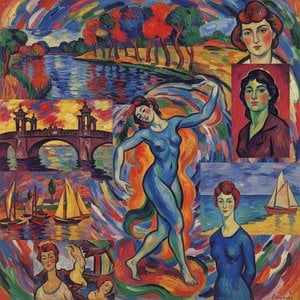
Matise, koos kunstnike nagu André Derain ja Maurice de Vlaminckiga, pooldasid intensiivset värvi kui iseseisvat väljendusvahendit, lihtsustades vorme selle mõju suurendamiseks. Maalid nagu *Viinapuu* (1905) näitavad seda stiili – punaste, rohelise ja kollase värvide reede, mida kantakse vabadusega, mis ignoreeris traditsioonilist perspektiivi ja jäljendamist. Peamiseks iseloomujuks olid intensiivselt küllastunud paletid, lihtsustatud kujud, väljendusrikkad pintslilöökide ja tahteline hüljamine konventsionaalsele esitusele emotsionaalse resonantsi kasuks.
Järelikult Täpsustus ja Dekoratiivne Harmoonia
Fovismi algse ergastuse järel läks Matise stiili läbi peene, kuid olulise evolutsiooni. Kuigi ta ei hüljanud kunagi oma värvi armastust, sai tema töö täpsemaks, kaldudes dekoratiivsele esteetikale, mis rõhutas tasandatud kujusid ja keerulisi mustreid. Ta uuris puhkuse, koduelu ja inimfiguuride teemasid rahulikus keskkonnas, luues kompositsioone, mis tundusid nii harmoonilised kui ka emotsionaalselt resonantsed. 1917. aastal Prantsuse Riwiera Nice’i kolimine mõjutas seda muutust veelgi, andes tema tööle rahu ja klassikalise tasakaalu tunde. Ta hakkas keskenduma keskkondade loomisele – maalidele, skulptuuridele ja dekoratiivsetele esemetele –, mis ümbritsesid vaatajat ilu ja vaikse atmosfääri. Sel perioodil katsetas ta erinevate meediaga, sealhulgas keraamikaga ja tekstiilidega, laiendades oma kunstilist visiooni traditsioonilise lõuendi piiramine. Ta ei maalind pelgalt stseene; ta ehitas maailmu, mis olid mõeldud tekitama konkreetset emotsionaalset reaktsiooni.
Hilisõhtud: Innovatsioon Piirangute Kaudu
Kuna kahanev tervis piiras Matise võimet maalida tavapärasel viisil, asus ta oma kunstilise tee uue erandliku peatüki juurde – lõigatud-paberikollaažide (*découpages*) loomine. Umbes 1947. aastal said need tööd alguse vajadusest. Vankriga piiratud võimekusel ei saanud ta füüsiliselt seista ja maalida, kuid tal oli võimalik paberit kääridega manipuleerida. See, mis algas praktilise lahendusena, arenes põhjalikuks kunstivõtteks. Ta värvis suurepärased värvilised pabertükkid, lõikas need seejärel kujudeks – orgaanilisteks vormideks, lehtedeks, figuurideks – ja paigutas need lõuendile, luues kompositsioone, mis olid nii dünaamilised kui ka petmisväärselt lihtsad. Need *découpages* ei olnud pelgalt maalimisega asendus; nad esindasid uut viisi värvi, vormi ja kompositsiooni mõtlemise kohta. Nad jätkasid tema eluaegset uurimistööd nende elementidega, näitudes kordumist kunstilise visiooniga isegi füüsikaliste piirangute silmaspidamisest.
- Lõigatud-paberitehnika võimaldas tal saavutada vormi ja värvi puhtust, mida oli raske värviga saavutada.
- Need tööd viitasid sageli varemalt maalide varasematele teemadele ja motiividele, kuid esitleti uuel ja innovaatilisel moel.
- Nad näitasid tema võimet kohanduda ja areneda kunstnikuna kogu oma karjääri jooksul.
Püsiv Pärand: Matise Mõju Kaasaegsele Kunstile
Henri Matise suri 1954. aastal Nice’is, jättes maha teosekorpuse, mis jätkab maailmas publiku seas inspiratsiooni ja lummatust. Tema mõju kunstimaailmale on eitamatud; ta esitas konventsionaalsed esituse kontseptsioonid, pooldas värvi väljendusrikast jõudu ning rajas tee tulevastele kunstnike põlvedele. Sageli peetakse koos Pablo Picassoga 20. sajandi kunsti üks mõjukamaid tegelasi, Matise kujundas oluliselt modernismi. Tema pärand ulatub tema tööde taha – see hõlmab filosoofiat, mis tähistab rõõmu, ilu ja värvi muutvat potentsiaali. Ta ei maalind lihtsalt seda, mida ta nägi; ta lõi emotsionaalse kogemuse vaatajale, kutsudes teda jagama oma visiooni maailmast, mis on täis valgust ja elavaid toone.
Matise mõju võib näha lugematutes teostes kunstnike poolt erinevates distsipliinides, kinnitades tema kohta kui tõelise kaasaegse kunsti meistri – maalija, kes julges näha maailma mitte nii nagu see on, vaid kuidas see võis olla, täis värvi, harmooniat ja piiramatut võimalikkust.



 Eelvaade
 Osta käsitsi maalitud maal
 Saada
Saada Jaga
Jaga
 Teave teose kohta

 Laadi alla
 Sarnased teosed
 Röntgenuuring
 Slaidietendus
 Statistika

 Loe lähemalt






































 Klaasivalik on saadaval ainult suuruses kuni 110 cm