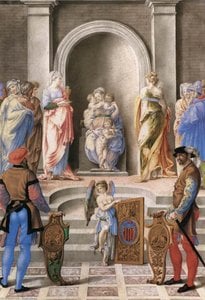
Itaalia renessanssi kroaatlik luminatsioon
Giulio Clovio, kes sündis 1498. aastal Kroatias Grižanes virisevate mägede vahel nimega Juraj Julije Klović, seisab kui võtmetä人物, mis ühendas käsikirjade iluminatsiooni hilisgotiiklikud traditsioonid koos kasvava kõrge renessanssiga. Kuigi tema juured lesisid Kroatia kuningriigis, oli just Itaalias, kus Clovio kunstiline genius tõeliselt lennukale tõus, saades kuuluks oma ajastu võib-olla suureimaks illumineerijaks ja viimaseks oluliseks meistriks sajandite pikkuses hoolitsevalt hoitud pärandis. Tema lugu on märkimisteküpse talendi, nutika patroonide toetuse ja vankumatut pühendumuse lugu, millega ta tõusitas miniatuurkunsti hingatavaks ja ülimalt sofisteeritud kunstivormiks.
Clovio varajased aastad jäävad siiski teatud salapära alla. Arvatakse, et ta võib olla saanud esialseid kunstipõega Rijekai lähedistes kloostriringides, kuid juba kaheksateist aasta vanuses viis tema ambitsioon teda Itaaliasse. Kardina Marino Grimani majuttes teenistus tõusis pöördepunktiks; siin, kardina juhendisel, teritas Clovio oma maalistustugevusi ja hakkas arendama seda pedantset tehnikat, mis määras tema karjääri. Ta imetas endasse selle ajastu juhtivate kunstikuid — nii Giulio Romano kui Girolamo dai Libri mängisid rolli tema stiili kujundamisel — kuid lõi kiiresti omaenda tee, demonstreerides erakordset oskust tõsta renessanssmaalise suurpidius miniatuurimõõdus.
Miniatürkunsti kunst: stiilide sünd
Clovio kunstiline loovus ei olnud pelgalt olemasolevate stiilide kopeerimine, vaid nende sünergistimine. Ta ühendas meisterlikult Põhja-Euroopa iluminatsiooni õrna täpsuse Itaalia renessanssi meistrite nagu Raphael, Michelangelo ja Tizian dünaamiliste kompositsioonide ja vibrantsete värvikombinatsioonidega. See sulandumine on eriti nähtav tema illumineeritud käsikirjades, kus figuurid omavad skulpturaalse olemuse, maastikud liukuvad atmosfäärses perspektiivis ning iga detail — kangaslaadimite kortsudest kuni ehtede säralduseni — on kujundatud hämmastav hõbedusega.
Tema töö kardinal Domenico Grimani jaoks, sealhulgas suurepäraselt detailne kommentaar Püha Pauluse kirjeldusele roomlastele (mille kuulub nüüd Sir John Soane'i muuseumile), näitas tema kasvavat talenti ja kinnistas tema mainet. Selles käsikirjas olevad miniatuurid ei ole lihtsalt illustratsioonid; need on omaette miniatuurmaalid, mis on täis narratiivset jõudu ja emotsionaalset sügavust. Püha Pauli üleminek on kujutatud draamatilise intensiivsusega, mida käsikirjades harv puutub näha.
Patroonlus, reisid ja kunstiline õitsemine
Clovio karjäär oli lahutumalt seotud võimsate patroonidega, kes tunnistasid tema erakordset võimekust. Pärast aega Grimani pere juures teenis ta Ungari kuningas Lõuna II õukonnas, luues teoseid nagu "Pariisi otsustus" ja "Lucretia". Kuningas Louis II surm Mohácsi lahingus surral tõi Clovio tagasi Rooma, kus ta jätkas mõjuvate toetajate ligi tõmbamist.
Tema seos kardinal Alessandro Farnesiga osuts eriti viljakaks. Just Farnese jaoks lõi Clovio oma magnum opus: Farnese tunniks, luksusliklt illumineeritud tunniks, mis valmis 1546. aastal pärast üheks aastat pidevat ja vaeva nõidvat tööd. See meistriteos, mis asub nüüd New Yorgis Morgani raamatukogus, sisaldab kahekümmend kaheksa miniatuuri, mis kujutavad stsène nii Vana kui Uue testamentist, jõudes lõpuks spektakulsele kahele lehele laiale, mis esitab Rooma Corpus Christi protsessiooni. Farnese tunniks on mitte ainult Clovio tehnilise oskuse tunnistus, vaid ka peegeldus tema sügavast arusaatust renessanssi ikonograafiast ja teoloogilistest teemadest.
Valgus pimeduses: pärand, mis säilib
Clovio mõju ulatus kaugemale kui käsikirjade iluminatsiooni valdkond. Ta oli austatud tegelane kunstiringkondades, sõbrustades Pieter Bruegel vanema nagu kunstikidega — kes lisas isegi ühe miniatuuri Clovio üksesse teosesse — ning El Grecoga, kes maalis mitu portreedi selle suurepärase illumineerija kohta, asetades teda oma mõjutite hulka koos Michelangelo, Raphael ja Tizianiga. Need portreetsid toimivad võimsate visuaalsete kinnitustena Clovio positsioonist kunstikeskkonnas.
Kuigi ta töötas peamiselt miniatuurimõõdus, oli Clovio mõjul renessanssikunstile märkimisväärne. Ta tõi iluminatsiooni staatusi käsitöölist kõrgekunstini, demonstreerides selle potentsiaali ekspressiivse jõu ja tehnilise virtuoosuse suhtes. Tema võime tabada kõrge renessanssi vaim miniatuurformatsiooni piirides tagas sainud tema koha ühe oma ajastu kuulsaima kunstniku rollis — kroaatia luminatsioon, kelle pärand valgustab kunstimaailma ka täna.



 Vaata sisu
 Lülita trükkitoodetele
 Jaga teost
 Jaga
Jaga
 Detailid
 Õppekate juhend

 Laadi alla
 Sarnased teosed
 Röntgenuuring
 Slaidietendus
 Statistika


 Loe lähemalt