Eelvaade AR-eelvaade Osta käsitsi maalatud teos Lülita digitaalse pildi juurde Saada
Teave teose kohta Juhend Lisa lemmikutesse Laadi alla Sarnased teosed Röntgenuuring Slaidietendus Q&A Statistika

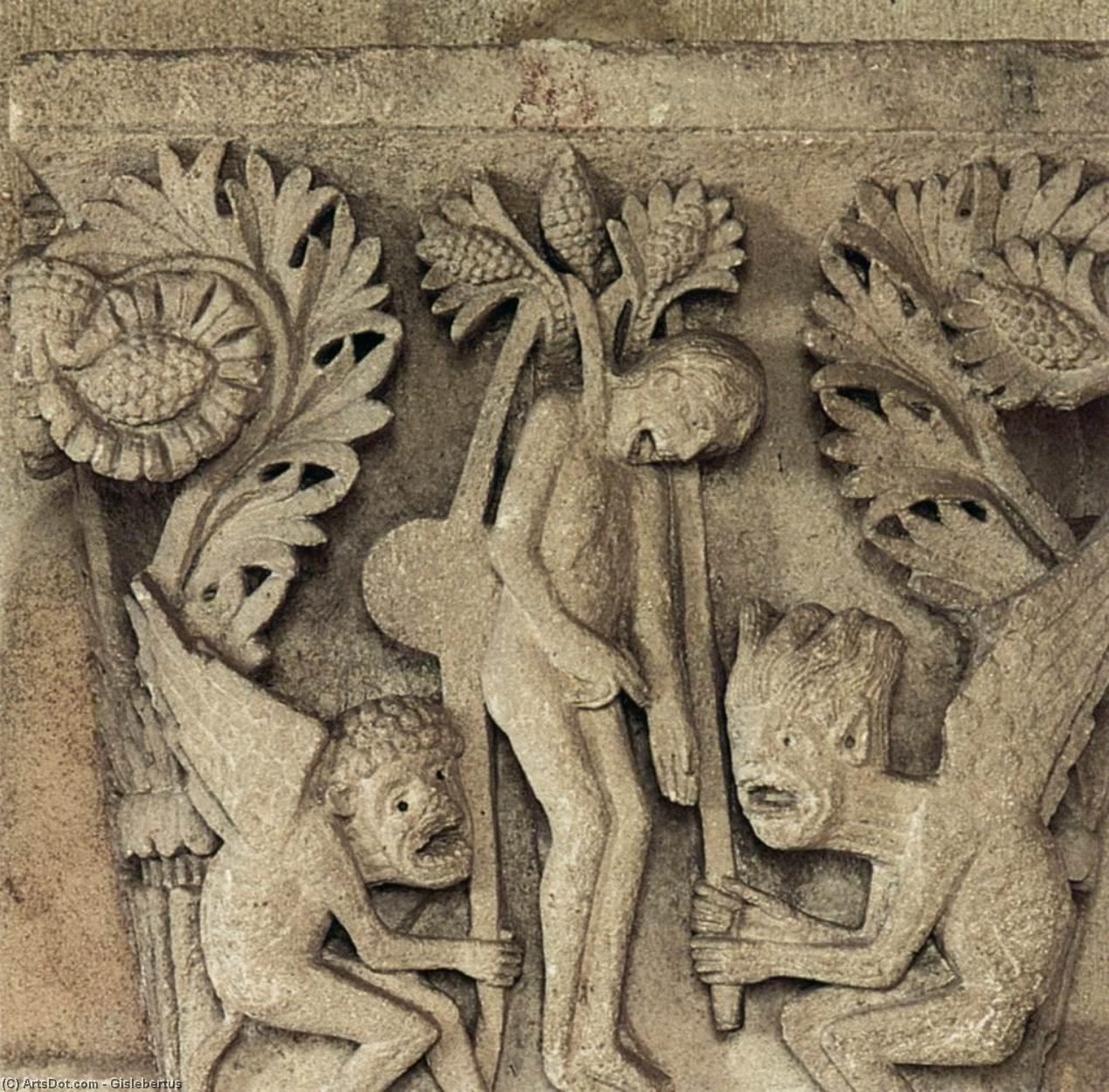
JudasÕue surm

GISLEBERTUSE suurmõni Autune katedraali keskkujul kujutab JudasÕue surmast tükeldatud nähtust. Dramatiliselt täielikult väljendav kompositsioon, kus kaks pahategijat aitavad Judast õues puu külge keerama.

Discover Gislebertus: French Romanesque sculptor of Autun Cathedral's stunning tympanums & Eve sculpture. Explore his biblical themes & influence on Gothic art.

Giclée / Kunstiprint

Muuseumikvaliteediga giclée- või kangasprint kiire tootmisega ja paindlikud viimistlusvõimalused. ( Osta käsitsi maalatud teos Lülita digitaalse pildi juurde)

Corner sample of the P118B picture frame: vormitud polüstüreen, 5 cm wide and 3 cm thick
P118B €10
Corner sample of the P118H picture frame: vormitud polüstüreen, 5 cm wide and 3 cm thick
P118H €10
Corner sample of the P118W picture frame: vormitud polüstüreen, 5 cm wide and 3 cm thick
P118W €10
Corner sample of the P438Z picture frame: vormitud polüstüreen, 5.5 cm wide and 3.5 cm thick
P438Z €10
Corner sample of the P508JH picture frame: vormitud polüstüreen, 7 cm wide and 3.5 cm thick
P508JH €12
Corner sample of the P508YH picture frame: vormitud polüstüreen, 7 cm wide and 3.5 cm thick
P508YH €12
Corner sample of the P805H picture frame: vormitud polüstüreen, 5 cm wide and 3.5 cm thick
P805H €10
Corner sample of the P805Z picture frame: vormitud polüstüreen, 5 cm wide and 3.5 cm thick
P805Z €10
Corner sample of the P919BZ picture frame: vormitud polüstüreen, 7 cm wide and 3.5 cm thick
P919BZ €10
Corner sample of the P919G picture frame: vormitud polüstüreen, 7 cm wide and 3.5 cm thick
P919G €10
Corner sample of the P919XJ picture frame: vormitud polüstüreen, 7 cm wide and 3.5 cm thick
P919XJ €10
Corner sample of the P959ZH picture frame: vormitud polüstüreen, 5 cm wide and 3 cm thick
P959ZH €10
Corner sample of the P968JZ picture frame: vormitud polüstüreen, 6 cm wide and 4 cm thick
P968JZ €12
Corner sample of the W106C picture frame: massivpuit, 5 cm wide and 3 cm thick
W106C €8
Corner sample of the W218G picture frame: massivpuit, 5 cm wide and 3 cm thick
W218G €10
Corner sample of the W218JH picture frame: massivpuit, 5 cm wide and 3 cm thick
W218JH €8
Corner sample of the W218Y picture frame: massivpuit, 5 cm wide and 3 cm thick
W218Y €10
Corner sample of the W307PJ picture frame: massivpuit, 6 cm wide and 3 cm thick
W307PJ €10
Corner sample of the W316G picture frame: massivpuit, 6 cm wide and 3 cm thick
W316G €10
Corner sample of the W316PJ picture frame: massivpuit, 6 cm wide and 3 cm thick
W316PJ €8
Corner sample of the W316Y picture frame: massivpuit, 6 cm wide and 3 cm thick
W316Y €10
Corner sample of the W398PJ picture frame: massivpuit, 5 cm wide and 3 cm thick
W398PJ €8
Corner sample of the W4111J picture frame: massivpuit, 6.5 cm wide and 3.5 cm thick
W4111J €10
Corner sample of the W500HY picture frame: massivpuit, 7 cm wide and 5 cm thick
W500HY €15
Corner sample of the W500JH picture frame: massivpuit, 7 cm wide and 5 cm thick
W500JH €15
Corner sample of the W692G picture frame: massivpuit, 8 cm wide and 4 cm thick
W692G €12
Corner sample of the W849H picture frame: massivpuit, 5 cm wide and 3 cm thick
W849H €8
Corner sample of the W940BG picture frame: massivpuit, 7.5 cm wide and 4.5 cm thick
W940BG €15
Corner sample of the W953PJ picture frame: massivpuit, 6 cm wide and 3.5 cm thick
W953PJ €8

Standardne suurus
kohandatud
CM
INCH

Vali meie eelmääratud suurused, mis vastavad teose algupärastele proportsioonidele.

laius
kõrgus

Sisestage vajalik laius ja kõrgus, et see sobiks teie raamile või seinale. Trükki saab ainult lõigata, seda ei saa kunagi pildist suuremaks teha, seega ka erineva mustega suurus kaotab osa pildist. Enne trükkimist saadame teile kinnitamiseks digitaalse näidisprojektsiooni. Sellel lehel näidatud pilt ei kujuta reaalset lõiget — seda näitab ainult näidisprojektsioon.

Ülemaailmne tarne () 2 nädala jooksul, tavalise 4/5 nädala asemel. (30 oktoober)

Tasuta ekspresssaatmine üle maailma
Kõrgekvaliteediline lina-kangas
Täielik transpordikindlustus
Tollimaksude tagastamise garantii
Värvitoime täpsuse garantii
100 päeva tagastusõigus (ainult valmistusdefektide korral)
100% raha tagasi garantii
Hulgusoodustus

Kogu summa

€ 60

JudasÕue surm

Giclée / Kunstiprint

Reproduktsiooni suurus

-

Koguhind

€ 60

Teave teose kohta

  • Subject or theme: Biblical narrative; Betrayal
  • Movement: Romanesque
  • Year: 1120
  • Artist: Gislebertus
  • Artistic style: Didactic storytelling

Kunstiteaduse kvartett

Iga küsimuse kohta on ainult üks õige vastus.

Küsimus 1:
Kes on Gislebertus?
Küsimus 2:
Mis kirjas Autungi katedraali keskkujule?
Küsimus 3:
Millisel maal Gislebertus oli ametnik?
Küsimus 4:
Mis oli Gislebertuse suurim kunstilooja tänu?
Küsimus 5:
Milliste värvidega kujutati Juuda puu külge riivamist?

Gislebertus ja Autungi katedraali "Suicide of Judas" – Ülestõmmekoht Kristuse Piibli kohta

Gislebertus oli keskiajaloole suur kunstnik, kes jäi oma nime Autungi katedraali päikesepoolsele templimajakirjutusse – Saint Lazare Cathedral’s tympanum – kirja. Katedraali sisemuses olevate sambade suurem osa on ka tema tööle atribuutitud; enamik neist paikneb pilastrite sees ja seega jäävad nad pinnale tihedalt kontrolli alla. Tema skulptuurid on üks kõige inimlikumaid ja sügavaima tunnetega opereerivaid keskiajalooskulptuuride maailmas. Originaalse kambri kapslid oli maha võetud ja neid eksponeeritakse Autungi katedraali lähiümbruses olevas Musée Rolin muuseumis. Kontrastiks Egiptusõie vastu on Judasest tehtav ülestõmmekäigu koht templimajakirjutusel, mida Gislebertus kujutas päikesepoolsele templimajakirjutusse sama värvikalt ja sügavusega kui inimese positiivsed emotsioonid. Kristuse lunastamine oli Jehoova käitumine, ja kaks muud pahvilaadset figuurit ilmub siia, aidates Judast ülestõmmelda. Nähtavasti kolmnurk nende pea tõttu annab kompositsiooni tasakaalu tunne, mis väljendab inimese hädast ilma loodusliku lootuse kaudu häiret täielikus väsimuses. www.wga.hu/html_m/g/gisleber/5capital.html
  • Kunstniku nimi: Gislebertus
  • Eluaasta: Umbes 1120
  • Suruaasta: Umbes 1135
  • Sündinud koht: Ei ole teada
  • Sündinud riik: Prantsusmaa

Gislebertus oli keskiajaloole suur kunstnik, kes jäi oma nime Autungi katedraali päikesepoolsele templimajakirjutusse – Saint Lazare Cathedral’s tympanum – kirja. Tema töö on üks kõige inimlikumaid ja sügavaima tunnetega opereerivaid keskiajalooskulptuuride maailmas. Tema skulptuurid olid mõjutatud Cluny Ülemuse kiriku traditsiooni ning püsisid püüdlema õpetava looõhtu kohta.

  • Materjal: Kivi
  • Koht: Autungi katedraal

Autungi katedraali päikesepoolsele templimajakirjutusse – Saint Lazare Cathedral’s tympanum – kuuluva kambri kapslite suurim osa on atribuutitud Gislebertusele; enamik neist paikneb pilastrite sees ja seega jäävad nad pinnale tihedalt kontrolli alla. Tema skulptuurid olid mõjutatud Cluny Ülemuse kiriku traditsiooni ning püsisid püüdlema õpetava looõhtu kohta.

Tema töö oli mõjutatud Cluny Ülemuse kiriku traditsiooni ning püsis püüdlema õpetava looõhtu kohta. Tema skulptuurid olid mõjutatud Cluny Ülemuse kiriku traditsiooni ning püsis püüdlema õpetava looõhtu kohta.

Lisainformatsiooni saate näha aadressil https://www.wga.hu/html_m/g/gisleber/1portal.jpg

Korduvad küsimused

Mis on teose "JudasÕue surm" formaat?

Teose "JudasÕue surm" vorming on Ruuduline. See on kasulik reproduktsiooni paigaldamise planeerimisel.

Kuidas saan hankida teose „JudasÕue surm“, autor Gislebertus digitaalse faili?

Teose „JudasÕue surm“, autor Gislebertus digitaalset pilti saab osta selle Digitaalne kunstiteos lehelt: kõrge resolutsiooniga digitaalse pildi allalaadimine.

Mis on teose „JudasÕue surm“, autor Gislebertus domineeriv värv?

Teose „JudasÕue surm“, autor Gislebertus domineeriv värv on Roosapruun (#b7a788).


Kunstniku elulugu

Gislebertus: The Sculptor of Autun Cathedral’s Divine Vision

Gislebertus, a name etched in stone and whispered through the centuries, stands as one of the most remarkable figures of Romanesque sculpture. Specifically celebrated for his profound contribution to Saint Lazare Cathedral in Autym, France, he emerged from the fertile artistic landscape of Burgundy during a period profoundly shaped by religious fervor and burgeoning architectural ambition. Born sometime around 1120, Gislebertus lived through an era where art served as the primary language of the faithful. While biographical details remain scarce, scholars believe he was trained at Cluny Abbey, arguably the epicenter of European monastic art and intellectual life at the time. This formative experience instilled in him a deep understanding of biblical narratives and imbued his work with an unwavering devotion to Christian themes.

His initial role at Cluny involved assisting the master sculptor, cementing his position within a tradition prioritizing didactic storytelling—conveying moral lessons through visual representation. The cathedral’s ambitious project demanded exceptional skill, and Gislebertus quickly established himself as a pivotal talent. Recognizing the importance of providing solace to pilgrims afflicted with leprosy—a prevalent ailment during the 12th century—the Abbey envisioned Saint Lazare as more than just a place of worship; it was intended as a sanctuary for the marginalized. This vision profoundly impacted Gislebertus’ artistic sensibilities, prompting him to create reliefs that resonated with compassion and hope, featuring imagery designed to uplift those facing immense suffering.

Mastery of Emotion and Narrative Relief

The true genius of Gislebertus lies in his ability to translate complex theological concepts into visceral, physical forms. His work at Autun is characterized by a dramatic use of line and shadow that breathes life into the cold stone. In masterpieces such as the Suicide of Judas, created around 1120-30, he captures the raw horror and despair associated with treason. Through the depiction of hanging figures and menacing demonic entities, Gisleberus showcases an exceptional skill in capturing human psychological torment, a hallmark of the Romanesque style that pushes the boundaries of medieval expression.

Beyond the scenes of tragedy, his work also celebrates the spiritual journey of the faithful. In his Pilgrims relief, one can observe a powerful depiction of devotion, where strong lines and dramatic shadows emphasize the physical and spiritual weight of the pilgrimage. This ability to oscillate between the terrifying aspects of divine judgment and the quiet strength of religious perseverance makes his oeuvre uniquely captivating. His sculptures do not merely decorate a building; they act as a window into the medieval soul, inviting the viewer to contemplate the eternal struggle between good and evil.

Legacy and Historical Significance

The artistic development of Gislebertus represents a crucial bridge in the evolution of European art. While his roots are firmly planted in the Romanesque tradition of Cluny, his expressive power and narrative complexity hint at the burgeoning naturalism that would later define Gothic art. His work on the Dream of the Magi further demonstrates this sophisticated approach to storytelling, blending historical reverence with a sense of wonder.

The enduring significance of Gislebertus can be summarized through several key contributions:

  • Narrative Innovation: He transformed architectural elements like tympanums into complex, readable storybooks for the illiterate masses.
  • Emotional Depth: He moved beyond static iconography to introduce psychological depth and human emotion into stone sculpture.
  • Cluniac Influence: He carried the high intellectual and spiritual standards of Cluny Abbey into the public sphere of cathedral architecture.
  • Architectural Integration: His ability to harmonize intricate sculptural detail with the massive, heavy forms of Romanesque architecture remains a pinnacle of medieval craftsmanship.

Today, the works of Gislebertus remain some of the most studied and revered examples of 12th-century art. He remains a master whose hands, though long since returned to dust, continue to speak through the enduring stone of Autun, reminding us of a time when art was the ultimate vessel for the divine.

Gislebertus

Gislebertus

1120 - 1135 , France

Lühikest infot

  • Full Name: Gislebertus
  • Nationality: French
  • Date Of Birth: 1120
  • Date Of Death: 1135
  • Place Of Birth: France
  • Notable Artworks:
    • Pilgrims
    • Last Judgment (detail)
    • Dream of the Magi
  • Artistic Movement Or Style: Romanesque Sculpture
  • Artists Who Influenced This Artist: ['Cluny School']
  • Artists Or Movements Influenced By This Artist: ['Gothic Style']
Avastage teoseid, mis on koondatud teemade, stiilide ja omaduste kaupa.