

Muuseumikvaliteediga giclée- või kangasprint kiire tootmisega ja paindlikud viimistlusvõimalused. ( Osta käsitsi maalatud teos Lülita digitaalse pildi juurde)





























Vali meie eelmääratud suurused, mis vastavad teose algupärastele proportsioonidele.

Sisestage vajalik laius ja kõrgus, et see sobiks teie raamile või seinale. Trükki saab ainult lõigata, seda ei saa kunagi pildist suuremaks teha, seega ka erineva mustega suurus kaotab osa pildist. Enne trükkimist saadame teile kinnitamiseks digitaalse näidisprojektsiooni. Sellel lehel näidatud pilt ei kujuta reaalset lõiget — seda näitab ainult näidisprojektsioon.
Ülemaailmne tarne () 2 nädala jooksul, tavalise 4/5 nädala asemel. (2 november)
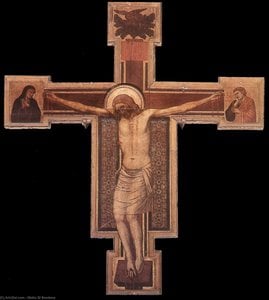
Crucifix (Florence)
Reproduktsiooni suurus
Teose „Crucifix (Florence)“, autor Giotto värvide kütkuse aste on Clear Color Presence. Kütkus kirjeldab, kui erksad või pehmed värvid on.
Tegijateõiguse osas on teos "Crucifix (Florence)" kuuluv klassifikatsiooni alla: avalikus õiguses – selle autoriõigud onหมดunud.
Teoses „Crucifix (Florence)“, autor Giotto on nähtav Gentle kontrast heellemiste ja tumedate alade vahel.

Umbes 1267. aastal Firenze lähedal, Toscana kergelt kurulistel mäenõlvadel sündinud Giotto di Bondone on kunstiajaloo üks olulisemaid tegelasi, kes sillutas vahet keskaja kunstiliste konventsioonide ja renessansi poole. Tema varajane elu on ümbritsetud legendidest – räägitakse, et noor karjapoiss joonistas uskumatult realistlikke lammast kividesse, haarates Firenze meister Cimabue silma. Kas fakt või rahvajutt, see lugu kehastas Giotto geniaalsust: sündinud võimekust jäädvustada loodusmaailma eelmata realisminõ ja emotsionaalse sügavusega. Cimabue õpilasena omandas Giotto kiiresti oskusi, kuid lõi oma tee selgelt erineva suuna. Valitsenud Bütsantsi stiil, millele olid iseloomulikud stiliseeritud kujud, tasandatud perspektiiv ja rikkalik kuldtausta – sümbolid vaimuliku ületähenduse asemel maa pealsete esindajate kohta – Giotto soovis kujutada inimkonda mitte eeterlike ikonide, vaid tunnetega täidetud isikutena, kes eksisteerivad käegakatsutavas ruumis.
Giotto loominguline revolutsioon ei olnud äkkrünnak, vaid järkjärguline areng. Tema varasemad tööd viitasid juba tulevasele muutusele, näidates kasvavat rõhku mahule, kaalule ja usaldusväärsele anatoomile. Ta hakkas tähele panema valgust ja varju mitte ainult dekoratiivsetena, vaid vormi skulptureerimiseks ja sügavuse loomiseks tööriistadena. See algav naturalism on näha Ülemise Püha Francisci basiilika freskode osades Assisis – kuigi autorlus jääb vaidlusaluseks, tunnustavad paljud teadlased Giotto käekirja stseenides, mis eristuvad selgesti valitsevast Bütsantsi esteetikast. Ta ei hüljanud lihtsalt traditsiooni; ta aitas sellele kaasa, täites asutatud vorme uue inimlikkuse ja emotsionaalse resonantsiga. Ta mõistis jutustamise jõudu, luues kompositsioone, mis rääkisid lugusid mitte jäikade sümbolitega, vaid väljendavate žestide, usaldusväärsete interaktsioonide ja hoolikalt konstrueeritud keskkondadega.
Giotto meistriteos, ja võib-olla üks olulisemaid teoseid kogu lääne kunsti ajaloos, on freskode tsükkel, mis kaunistab Scrovegni (tuntud ka Arena kabelina) kabelli Paduvas. Umbes 1305. aastal valminud see vapustav sari kujutab Kristuse ja Neitsi Maarja elu revolutsioonilisel realisminädal ja emotsionaalse intensiivsusega. Iga stseen areneb nagu hoolikalt lavastatud draama, mida elab täidetud tegelastega, kes ei ole mitte ainult religioossete arhetüüpide esindajad, vaid täielikult inimolijad, kes kogevad rõõmu, kurbust, hirmu ja lootust. *Viimane kohtupäev*, mis domineerib terve seina ulatuses, on võimas tunnistus Giotto oskusest edastada nii jumalikku hiilgust kui ka inimkonna tooremat haavatavust silmitsi oma lõpliku arveldusega. Perspektiivi kasutamine, kuigi hilisemate renessansiaegsete standardite järgi mitte matemaatiliselt täpne, loob veenva sügavuse illusiooni, tõmmates vaataja jutustusse sisse. Tegelased on maandatud, nende kehad omavad kaalu ja mahu ning nende väljendid edastavad emotsioonide valikut, mida varem religioosses kunstis pole nähtud.
Giotto anded ulatuvad kaugemale maalimiseni; ta oli ka austatud arhitekt. 1334. aastal telliti tal kujundada Firenze katedraali kellatorn (Campanile), projekt, mis näitas tema innovatiivset lähenemist arhitektoonilisele vormile. Kuigi ta suri selle valmimisega, said tema disainid aluse sellele ikoonilisele Firenza maamärgile. Tema mõju järgmistele kunstnike põlvkondadele on mõõdetav. Ta sillutas vahet keskaia ja renessansi maailmade vahel, pööravad teed selliste meistrite nagu Masaccio, Leonardo da Vinci ja Michelangelo kunstilistele saavutustele. Vasari tunnistas oma olulises *Kunstnike elud* Giottole "annet maalikunstile suure kunsti teha asju reaalsest elust", mis on tunnistus tema sügavast mõjust lääne kunsti teekonda. Giotto ei kujutanud lihtsalt maailma; ta püüdis seda mõista, jäädvustada selle olemust ja edastada seda arusaama visuaalse jutustamise jõu kaudu. Tema pärand jätkab sajandeid pärast tema surma imestamist ja austamist, kinnitades tema kohta kui üht ajaloa suurimaid kunstilisi innovaatoreid.

1267 - 1337 , Itaalia

Explore the profound transition from Medieval to Renaissance art. Discover how Giotto’s revolutionary emotional realism and innovative frescoes redefined Western art history during the Proto-Renaissance era.

Embark on a scholarly journey through the sacred beauty of High Medieval art. Discover the profound symbolism, luminous iconography, and spiritual depth of Gothic masterpieces in this expert guide for classical art enthusiasts.

Embark on a profound journey through art history with our exploration of Saint Francis's most iconic works. Discover Giotto’s revolutionary frescoes and the spiritual depth of Proto-Renaissance masterpieces through an expert lens for the true classic art enthusiast.
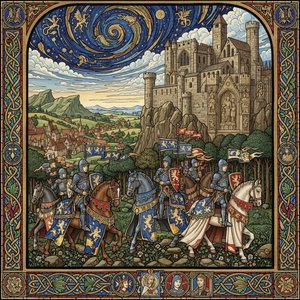
Explore the profound beauty of medieval art through the lens of history. Discover the symbolism of knights, the divine frescoes of Giotto, and how legendary masterpieces continue to inspire modern collectors and lovers of chivalric heritage.

Embark on a visual journey through Early Medieval art. Explore the profound beauty of illuminated manuscripts, sacred symbols, and golden light through an expert historical lens, celebrating the enduring legacy of medieval craftsmanship and divine artistry.
 Eelvaade
 Saada
Saada Jaga
Jaga
 Teave teose kohta
 Juhend

 Laadi alla
 Sarnased teosed
 Röntgenuuring
 Slaidietendus
 Q&A
Q&A Statistika

 Loe lähemalt









 Klaasivalik on saadaval ainult kuni 110 cm suuruses teostes



![Legend Of St Francis - [08] - Vision Of The Flaming Chariot — Giotto, Gothic And Proto-renaissance](/media/artworks/images-thumb/65/6e/656e345ff55e49ce2e4377a050b85aa1.jpg)


![Legend Of St Francis - [21] - Apparition To Fra Agostino And To Bishop Guido Of Arezzo — Giotto, Proto-renaissance](/media/artworks/images-thumb/8a/06/8a0632ef03ba49f12919faa78718a88b.jpg)


![Scrovegni - [05] - Joakiimi unistus](/media/artworks/images-thumb/8f/67/8f67bb5da87296bd452b3f0b237b528d.jpg)


