Kunstniku elulugu
Pioneer Valguse Täpsusega: Georges Seurati Elu ja Kunst
Georges Pierre Seurat, sündinud Pariisis 2. detsembril 1859, kerkis esile võtmekujuna Impressionismist kaasaegse kunsti suunas. Tema lühike, kuid intensiivne karjäär revolutsioneeris maali Pointillismi arendamisega – tehnikaga, mis põhines teaduslikel põhimõtetel ja vankumatu püüdlusel optilise tõe poole. Seurati lugu on täis hoolimatut vaatlust, intellektuaalset rangust ja sügavat tundlikkust valguse ja värvi nüansside suhtes – omadusi, mis eristasid teda omaaegsete kunstnikest ja jätkuvad publiku lummatsemist tänapäevani. Tema varajane elu, kuigi näiliselt tavapärane, pani aluse tulevastele kunstilistele avastustele. Perekond kolis Boulevard de Magenta kohe pärast tema sündi, ja isa, Antoine Chrysostôme Seurat, endine jurist ja hiljem kinnisvara spekulant, pakkus noorele Georgesile mugava kasvatuse, mis võimaldas tal ligipääsu kunstiharidusele. Ta alustas ametlikku õpetamist École Municipale de Sculpture et Dessin’i all skulptor Justin Lequieni juhendamisel, millele järgnes sisseastumine prestiižsesse École des Beaux-Arts’i aastal 1878, kus ta õppis Henri Lehmanni käe all. Need kujunduspärased aastad andsid talle tugeva aluse traditsioonilistes tehnikates, kuid isegi siis hakkas ainulaadne kunstiline isiksus vormustuma – delikatne tundlikkus ja kasvav fanaatikumärkus süstemaatilise analüüsi vastu.
Akadeemilisest Alusharidust Chromoluminarismini
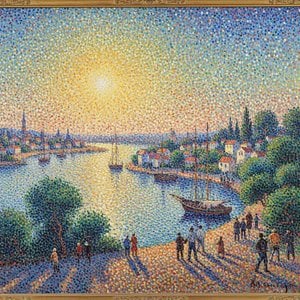
Seurati kunstiline areng ei olnud äkki innovatsiooni hüpe, vaid pigem järkjärguline evolutsioon, mis sai hoo sisse intellektuaalse uudishimu ja rangete katsetuste abil. Esialgu peegeldas tema töö tolle aja akadeemilisi standardeid, demonstreerides vilumust joonistamises ja austust kehtivate kompositsiooniprintsiippide vastu. Siiski hakkas ta peaagu neid konventsioone kahtlema, otsides maali suhtes teaduslikumat lähenemist. Ta süvenes kasvavas värviteooriasse, õppides teadlaste nagu Michel Eugène Chevreul ja Ogden Roodi kirjutisi, kes uurisid vastandvärvide optilisi efekte. See uurimine sai tema revolutsioonilise tehnika – chromoluminarismi ehk värviteadus – nurgakiviks ja selle praktilise rakenduse, Pointillismiks. Põhiidee oli lihtne: puhta värvi väikeste, eraldiseisvate täppide kandmine lõuendile, tuginedes vaataja silma peale, et need optiliselt seguneksid ja loovad elava, sädeleva efekti. See ei olnud lihtsalt heledamate värvide saavutamine; see oli arusaamise kohta, kuidas inimvisuaalne süsteem valgust ja värvi tajub ning selle teadmise kasutamine dünaamilisema ja kaasahaarivama maaliprotsessi loomiseks. Ta valmistus hoolikalt oma suurte kompositsioonide jaoks Conté kreidi joonistega karedale paberile, kartograafiliselt kavandades iga täpi asukohta, demonstreerides peaaegu matemaatilist täpsust oma kunstilises protsessis.
Innovatsiooni Maamärgid: Peamised Tööd ja Kunstiline Visioon
Seurati uurimistöö ja katsetamise kulminatsioon ilmneb võib-olla kõige paremini A Sunday Afternoon on the Island of La Grande Jatte (1884–1886), monumentaalses teoses, mis tähistas Neoimpressionismi algust. See ikooniline maal, kus kujutatakse pariislasi nautimas rahulikke pärastlõunasööke Seine'i ääres, näitab tema pointillistlikku tehnikat täielikku kasutusse. Figuurid, mis on esitatud hoolikalt asetatud värvitäppudena, tunduvad sädelevat ja vibreerivat valguses, luues õdusa vaikuse atmosfääri. Alfalfa, Saint-Denis (1886–1887) demonstreerib värviteooria rakendamist maalilises maastikus, samas kui varasemad tööd nagu Landscape at Saint-Ouen (1882–1883) paljastavad tema stiili arenemist ja kasvavat huvi valguse ja atmosfääri efektide jäädvustamise vastu. Isegi kaasaegse Pariisi elu kujutised, nagu The Eiffel Tower (1889), muudeti tema ainulaadse tehnikaga, näidates tööstusliku modernsuse ja kunstilise innovatsiooni harmoonilist segu. Bathers at Asnières (1884), teine oluline töö, uuris puhkust ja kaasaegset elu oma eripärase stiili abil, ennustades *La Grande Jatte’i* paremat lähenemist. Need maalijad ei olnud lihtsalt stseenide esitusi; need olid hoolikalt konstrueeritud visuaalsed eksperimendid, mille eesmärk oli uurida värvi ja tajumise võimalusi.
Püsiv Pärand: Mõjutus ja Histooline Tähendus
Vaatamata tragiliselt lühikesele elule – Seurat suri 31-aastasena aastal 1891 – oli tema mõju kunstimaailmale suur ja ulatuslik. Tema töö esitas väljakutseid traditsioonilistele kunstikonventsioonidele, pööramine teed arvukatele hilisematele liikumistele. Subjektiivse väljenduse rõhutamine ja uute tehnikate uurimine kõnetas kunstnikele, kes soovisid vabaneda akadeemilistest piirangutest. Seurati mõju on näha Fauvistide töödes, kes kasutasid julgeid värve ja väljendusrikast pintsliköök; Kubistide töös, kes dekonstrueerisid vorme geomeetrilisteks kujutisteks; ja Abstract Expressionistide töös, kes prioriteetselt seadsid emotsionaalse intensiivsuse ja spontaanse žesti. Tema teaduslik lähenemine maalile, kuigi algselt vastuoluline, laiendas lõpuks kunstilise võimalikkuse määratlust. Ta näitas, et kunst võib olla nii intellektuaalselt rangus kui ka emotsionaalselt võrgutav – süntees, mis jätkuvalt inspireerib kunstnikke tänapäevani. Seurati pärand ulatub tema tehniliste innovatsioonide taha; ta jättis maha teoste kogu, mis jäädvustab kaasaegse elu olemuse ületamatu täpsusega ja iluga, kinnistades oma koha tõelise kaasaegse kunsti pioneeri hulgas. Tema maalijad on jätkuvad tunnistused vaatluse, katsetamise ja püüsiva inimsoovi kohta mõista maailma enda ümber kunstilise väljenduse läbi.



 Eelvaade
 Lülita trükkitoodetele
 Saada
Saada Jaga
Jaga
 Teave teose kohta

 Laadi alla
 Sarnased teosed
 Röntgenuuring
 Slaidietendus
 Statistika


 Loe lähemalt






































 Klaasivalik on saadaval ainult suuruses kuni 110 cm