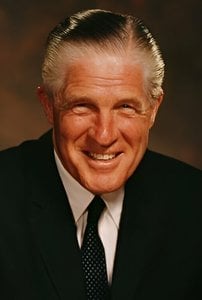
James Macpherson (1780) by George Romney, hand-painted oil painting reproduction by a master artist
Eelvaade AR-eelvaade Lülita trükkitoodetele Lülita digitaalse pildi juurde Saada
Teave teose kohta Juhend Lisa lemmikutesse Laadi alla Sarnased teosed Röntgenuuring Slaidietendus Q&A Statistika

James Macpherson Hand-painted oil painting reproduction

Mõõtmed
76.0 x 63.0 cm

Experience George Romney's striking 18th-century portrait of James Macpherson, capturing aristocratic elegance in rich oil on canvas; discover this masterpiece today.

George Romney oli üks suurimatest inglise portreemaalist 18. sajandil! Tema stiilis olid elegants ja sügav psühholoogiline vaatepunkt ning tema maailmakuulusad tööded on Emma Hamilton koos. Vaata rohkem reproduksiooni nüüd!

Käsitsi valmistatud õlimaalireproduktsioon

Meie kunstnike poolt tellimusel valmistatud käsitsi maalitud õli-kainaste teos teie soovitud suuruses ja raamis. ( Lülita trükkitoodetele Lülita digitaalse pildi juurde)

Corner sample of the P118B picture frame: vormitud polüstüreen, 5 cm wide and 3 cm thick
P118B €10
Corner sample of the P118H picture frame: vormitud polüstüreen, 5 cm wide and 3 cm thick
P118H €10
Corner sample of the P118W picture frame: vormitud polüstüreen, 5 cm wide and 3 cm thick
P118W €10
Corner sample of the P438Z picture frame: vormitud polüstüreen, 5.5 cm wide and 3.5 cm thick
P438Z €10
Corner sample of the P508JH picture frame: vormitud polüstüreen, 7 cm wide and 3.5 cm thick
P508JH €12
Corner sample of the P508YH picture frame: vormitud polüstüreen, 7 cm wide and 3.5 cm thick
P508YH €12
Corner sample of the P805H picture frame: vormitud polüstüreen, 5 cm wide and 3.5 cm thick
P805H €10
Corner sample of the P805Z picture frame: vormitud polüstüreen, 5 cm wide and 3.5 cm thick
P805Z €10
Corner sample of the P919BZ picture frame: vormitud polüstüreen, 7 cm wide and 3.5 cm thick
P919BZ €10
Corner sample of the P919G picture frame: vormitud polüstüreen, 7 cm wide and 3.5 cm thick
P919G €10
Corner sample of the P919XJ picture frame: vormitud polüstüreen, 7 cm wide and 3.5 cm thick
P919XJ €10
Corner sample of the P959ZH picture frame: vormitud polüstüreen, 5 cm wide and 3 cm thick
P959ZH €10
Corner sample of the P968JZ picture frame: vormitud polüstüreen, 6 cm wide and 4 cm thick
P968JZ €12
Corner sample of the W106C picture frame: massivpuit, 5 cm wide and 3 cm thick
W106C €8
Corner sample of the W218G picture frame: massivpuit, 5 cm wide and 3 cm thick
W218G €10
Corner sample of the W218JH picture frame: massivpuit, 5 cm wide and 3 cm thick
W218JH €8
Corner sample of the W218Y picture frame: massivpuit, 5 cm wide and 3 cm thick
W218Y €10
Corner sample of the W307PJ picture frame: massivpuit, 6 cm wide and 3 cm thick
W307PJ €10
Corner sample of the W316G picture frame: massivpuit, 6 cm wide and 3 cm thick
W316G €10
Corner sample of the W316PJ picture frame: massivpuit, 6 cm wide and 3 cm thick
W316PJ €8
Corner sample of the W316Y picture frame: massivpuit, 6 cm wide and 3 cm thick
W316Y €10
Corner sample of the W398PJ picture frame: massivpuit, 5 cm wide and 3 cm thick
W398PJ €8
Corner sample of the W4111J picture frame: massivpuit, 6.5 cm wide and 3.5 cm thick
W4111J €10
Corner sample of the W500HY picture frame: massivpuit, 7 cm wide and 5 cm thick
W500HY €15
Corner sample of the W500JH picture frame: massivpuit, 7 cm wide and 5 cm thick
W500JH €15
Corner sample of the W692G picture frame: massivpuit, 8 cm wide and 4 cm thick
W692G €12
Corner sample of the W849H picture frame: massivpuit, 5 cm wide and 3 cm thick
W849H €8
Corner sample of the W940BG picture frame: massivpuit, 7.5 cm wide and 4.5 cm thick
W940BG €15
Corner sample of the W953PJ picture frame: massivpuit, 6 cm wide and 3.5 cm thick
W953PJ €8

Standardne suurus
kohandatud
CM
INCH

Vali meie eelmääratud suurused, mis vastavad teose algupärastele proportsioonidele.

laius
kõrgus

Sisestage vajalik laius ja kõrgus, et teos sobiks teie raamile või seinale. Kuna tegu on käsipainatud teosega, siis erineva kujuga suuruse korral võib kunstnik jätta pildi ümber veidi rohkem marginaali või lõigata osa ära — valik on teie. Enne maali alustamist saadame teile kinnitamiseks digitaalse näidisprojektsiooni. Sellel lehel näidatud pilt ei kajasta tegelikku tulemust — seda näitab ainult näidisprojektsioon.

Näited muudetavatest elementidest: asenda nägu kliendi fotoga; lisa lemmikloom (nt asenda kass koeraga); lisa taustale peidetud sõnum; muuda tausta maastikku või elemente.
Pärast tellimust saadab WahooArt.com meeskond kliendile e-posti juhised ning esitab eelvaate kavandi

Maailmline tarne 3–4 nädala jooksul tavalise 5 nädala asemel. (31 oktoober). Kvaliteedis kompromisse ei tehta.

Tasuta ekspresssaatmine üle maailma
Kõrgekvaliteediline lina-kangas
Täielik transpordikindlustus
Tollimaksude tagastamise garantii
Värvitoime täpsuse garantii
100 päeva tagastusõigus (ainult valmistusdefektide korral)
100% raha tagasi garantii
Hulgusoodustus

Kogu summa

€ 242

James Macpherson

Reproduktsiooni tehnika

Reproduktsiooni suurus

-

Koguhind

€ 242

Teave teose kohta

  • Artist: George Romney
  • Medium: Oil on canvas
  • Artistic style: Portraiture
  • Year: 1780

Kunstiteaduse kvartett

Iga küsimuse kohta on ainult üks õige vastus.

Küsimus 1:
Who is the artist credited with painting the portrait of James Macpherson?
Küsimus 2:
Approximately what year was this portrait, 'James Macpherson,' created?
Küsimus 3:
What medium was used for the creation of this artwork?
Küsimus 4:
Based on the description, what is a notable element of the subject's attire?
Küsimus 5:
George Romney, the artist, was born in which country?

A Glimpse into Georgian Grandeur: The Portrait of James Macpherson

To stand before this portrait of James Macpherson is to step directly into the opulent drawing rooms of late eighteenth-century England. George Romney, the master painter whose brushstrokes captured the very essence of British high society, has rendered a figure steeped in historical gravitas. The subject commands attention, not merely through his striking presence, but through the meticulous detail afforded by the oil on canvas medium. He is presented in rich attire—a vibrant red coat trimmed with crisp white accents—garments that speak volumes about status and societal standing during the Georgian era. His powdered wig and carefully maintained beard lend him an air of distinguished authority, suggesting a man accustomed to the spotlight and the weight of public expectation.

Mastery of Technique and Composition

Romney’s technical prowess is immediately apparent upon viewing this work. The oil paint allows for a breathtaking depth of color; observe how the deep tones of the background serve not as mere backdrop, but as a deliberate foil, pushing the illuminated figure forward into sharp relief. This masterful use of contrast ensures that every nuance of Macpherson’s expression—the thoughtful set of his jaw, the direct gaze meeting the viewer's eye—is given paramount importance. The texture inherent in the oil medium gives the painting a palpable richness, inviting the collector to imagine the cool weight of the canvas and the subtle sheen of the silk and velvet depicted.

The Historical Echo: Context and Character

Painted around 1780, this portrait captures a moment when portraiture served as both commemoration and declaration. George Romney was renowned for his ability to capture not just likeness, but temperament. James Macpherson, through these painted eyes, appears thoughtful, perhaps even slightly enigmatic. The formality of the pose, combined with the richness of the costume, situates us within an era obsessed with outward presentation—an age where one's station in life was as visible as the embroidery on one's coat. It is a study in controlled magnificence.

Emotional Resonance for the Modern Collector

For the contemporary admirer, this piece offers more than mere decoration; it offers narrative depth. The subject’s direct gaze creates an immediate, compelling connection, drawing the viewer into a silent dialogue across two centuries. Owning a reproduction of this work is to curate a piece of history for your own space. Whether placed in a formal study or a grand reception hall, its vibrant colors and undeniable sense of pedigree elevate any interior design scheme. It whispers tales of Enlightenment wit, political maneuvering, and the enduring power of portraiture.

Korduvad küsimused

Kas saan kasutada täiendatud reaalset, et näha teost „James Macpherson“, autor George Romney oma toonas?

Teose „James Macpherson“, autor George Romney leht AR-eelvaade teose kohta kasutab täiendatud reaalset, et näidata teost ühilduva seadme abil teie enda ruumis.

Mis on teose „James Macpherson“, autor George Romney valgusus?

Teose „James Macpherson“, autor George Romney luminants on Dark.

Mis selgitab teose „James Macpherson“, autor George Romney autoriõiguste olukorda?

George Romney teos "James Macpherson" on avalikus õiguses – selle autoriõigud onหมดunud. Autoriõiguse kaitseajad arvutatakse alates kunstniku surmaõigustest ning George Romney suri aastal 1802.


Kunstniku elulugu

A Life in Portraiture: The World of George Romney

Born in the picturesque landscape of Dalton-in-Furness, Lancashire, on December 15th, 1734, George Romney ascended to become one of the most sought-after portrait painters of his era. His journey from a cabinet maker’s son to the favored artist of British high society is a compelling narrative of innate talent and unwavering ambition. Early life offered little indication of the artistic path he would forge; initially apprenticed to his father, it was an inherent inclination towards drawing and craftsmanship that led him to Christopher Steele, a local portraitist who had studied in Paris. This apprenticeship proved pivotal, providing Romney with foundational skills and an introduction to European artistic traditions. He quickly surpassed his master, however, demonstrating a precocious talent demanding further cultivation. A brief, unhappy marriage and subsequent separation propelled him towards London in 1762, a city brimming with opportunity but also fierce competition.

Establishing a Reputation: Style and Technique

London proved to be a crucible for Romney’s artistic development. He swiftly established himself as a formidable portraitist, challenging the dominance of artists like Thomas Gainsborough and Sir Joshua Reynolds. While he never sought membership in the Royal Academy – a decision that perhaps limited his access to certain patronage – his success was undeniable. Romney's style evolved over time, initially reflecting the influence of Steele and his Parisian training, but soon blossomed into something distinctly his own. He possessed an exceptional ability to capture not merely the likeness, but also the personality and social standing of his sitters. His portraits are characterized by elegant poses, a refined use of light and shadow, and a subtle psychological insight that set him apart. Romney’s technique was marked by a delicate touch and a preference for flowing lines, often drawing inspiration from classical sculpture. He skillfully employed color to convey texture and depth, creating portraits that were both visually striking and emotionally resonant. His ability to flatter his subjects while maintaining artistic integrity earned him the loyalty of an elite clientele. He understood the power of suggestion, hinting at character rather than explicitly defining it, a quality that appealed to those who valued discretion and refinement. Romney’s meticulous attention to detail—from the subtle folds of fabric to the expressive gaze of his subjects—became a hallmark of his oeuvre.

The Muse and Her Influence: Emma Hamilton

Romney’s life took a dramatic turn with his encounter with Emma Hart, later known as Lady Hamilton, in 1782. She became not only his most celebrated model but also his muse, profoundly influencing his artistic output. Emma's beauty, intelligence, and theatrical flair captivated Romney, inspiring a series of portraits that explored themes of classical mythology, dramatic narrative, and feminine grace. He depicted her in various roles – as a spinner, as the tragic Miranda from Shakespeare’s *The Tempest*, and in numerous allegorical scenes that showcased her expressive range. These works demonstrate Romney's willingness to experiment with composition and symbolism, moving beyond conventional portraiture into more imaginative territory. The Tempest series, in particular, reveals a Romantic sensibility at play, anticipating the emotional intensity of later artists. The relationship was intense and all-consuming for Romney, though ultimately unfulfilled romantically; Emma eventually became the mistress of Lord Nelson, a union that cemented her place in history. Nevertheless, their artistic collaboration left an indelible mark on both their lives and produced some of Romney’s most enduring masterpieces. He painted over 80 portraits of her, each revealing a different facet of her captivating personality. The dynamism of Emma Hamilton's presence—captured with remarkable sensitivity—became central to Romney’s artistic vision.

Major Achievements and Legacy

George Romney achieved considerable renown during his lifetime, securing commissions from prominent figures across British society. His portraits graced the homes of aristocrats, statesmen, and writers alike, establishing him as one of the foremost artists of his generation. Beyond his prolific output, Romney's contribution to artistic discourse was significant. He championed a style that prioritized psychological realism and emotional expression—a departure from the more formal conventions of earlier portraiture. His influence extended beyond his immediate contemporaries, inspiring subsequent generations of painters who sought to emulate his mastery of technique and his ability to convey human character with profound insight. Romney’s legacy resides not only in the beauty of his paintings but also in their enduring relevance as representations of a pivotal moment in British cultural history—the Romantic era. His work continues to be studied and admired for its elegance, subtlety, and emotional depth. He remains a testament to the transformative power of artistic talent and ambition.

Concluding Thoughts

Romney’s artistic journey exemplifies the pursuit of excellence and the unwavering belief in one's own creative potential. From humble beginnings to international acclaim, his life story is an inspiration for artists and art lovers alike. His portraits stand as enduring symbols of beauty, grace, and psychological complexity—a lasting testament to George Romney’s genius and a cornerstone of British artistic heritage.
George Romney

George Romney

1734 - 1802 , Ühenditud kuningriik

Lühikest infot

  • Artistic Movement Or Style: Portraiture, Romanticism
  • Artists Who Influenced This Artist:
    • Christopher Steele
    • Carle Vanloo
    • Raphael
    • Titian
    • Correggio
  • Date Of Birth: Dec 15, 1734
  • Date Of Death: Nov 15, 1802
  • Full Name: George Romney
  • Nationality: British
  • Notable Artworks:
    • Peter and James Romney
    • Portrait of G. Cowper
    • The Death of General Wolfe
  • Place Of Birth: Dalton-in-Furness, UK
Avastage teoseid, mis on koondatud teemade, stiilide ja omaduste kaupa.