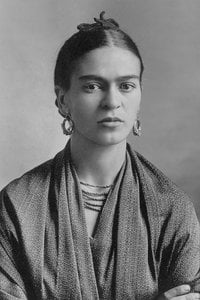
Kunstniku elulugu
Valukiviga vormitud elutruu kunst: Frida Kahlo
Frida Kahlo, kodunimega Magdalena Carmen Frida Kahlo y Calderón, sündis 1907. aastal México Linna Coyoacáni linnaosas ning jätsid tema ellu sügava jälje nii füüsilised kannatused kui ka kirglik vaim. Tema elu oli dramaatiline ja täis väljakutseid, mis kujundasid tema ainulaadset kunstipilti – ausat, isiklikku ja universaalselt kõnetavat. Frida isa, Guillermo Kahlo, saksa-mehhiklase päritoluga fotograaf, toetas tütari pooleldi intellektuaalset arengut ning andis aluse tema kunstilisele teekonnale. Kuid lapsepõlve varjutasid haigused; kuueaastaselt haigestus ta lastehalvatusse, mis jättis püsiva halvatusse järel ja mõjutas tema füüsilist arengut. See nooruslik kogemus haavatavuse ja piiranguga sai korduvaks teemaks tema loomingus, kujundades tema vaate kehale, valutule ning vastupanuvõimele. Frida oli juba enne seda katastroofilist õnnetust, mis määras suure osa tema kunstilisest karjäärist, teravalt teadlik oma kehalisusest ja selle olemuslikust haprusest.
Elumuutnud õnnetus ning eneseotsingud maalidel
Frida elu pöörasid dramaatiliselt ümber 1925. aastal toimunud bussikatastroof, mis jättis talle rasked vigastused – selgrooluumurdud, vaagnaluumurdud ja mitmeid teisi purustusi. Pikenenud taastusperiood, voodihaiglaaeg ning pidevad ortopeedilised abivahendid muutisid tema maailma kitsamaks, kuid samal ajal avasid uksi enese väljendamisele maali vahendusel. Eemaletõukatusest ja piirangutest hoolimata suutis Frida leida lohutus ning vabanemise kunstis. Tema ema kohandas talle spetsiaalse maalijala, mis võimaldas tal tegelda kunsti loomisega isegi haiglavoodist. Just sel perioodil hakkas Frida intensiivselt tegema eneseportreede seeriat. Võimetus maailma uurida, pööras ta pilgu sisemusse ning dokumenteeris oma kujutist täpselt ja ausalt, et mõista ja võita oma valu – nii füüsilist kui ka emotsionaalset. Need varased tööd ei olnud pelgud portreed; need olid visuaalsed uurimised identiteedi, haavatavuse ning inimvaimu kordumatu jõuga. Õnnetus polnud lihtsalt tragöödia; see oli katalüsaator, mis avas tema kunstilise potentsiaali, sundides teda silmitsi vaatama oma suremusega ja leidma tähendust kannatuses.
Diego Riveraga seotud kirg ja loominguline areng
Frida elus toimus veel üks oluline sündmus 1929. aastal, kui ta abiellus tuntud mehhiko seinakunstniku Diego Riveraga. Nende suhe oli kirglik ning samas ka rahutu – täis sügavat armastust, truputust, kunstilist konkurentsi ja perioodiliselt lahkumisi ning leppimisi. Vaatamata emotsionaalsele tormile mõjutas Rivera oluliselt Frida kunstilise arengut. Ta julgustas teda järgima oma ainulaadset visiooni, pakkudes konstruktiivset kriitikat samal ajal tunnustades tema töö jõudu ja originaalsust. Tema juhendamisel ning pideva eksperimenteerimise kaudu hakkas Frida stiil koonduma, segunedes Mehhiko rahvakunstielementidega, realismiga ja surrealismiga, moodustades eripärase visuaalse keele. Tema maalidel hakati käsitlema teemasid nagu identiteet, inimkeha, valu, surm ning naisekogemus. Ta ei peljanud kujutada oma kannatust; pigem omakasutas ta seda keskseks teemaks oma loomingus, muutudes isiklikust traumast universaalseks avalduseks inimese olukorra kohta.
Sümbolism ja vastupanuvõime väljendused
Frida Kahlo on võib-olla kõige tuntum oma eneseportreede poolest, mida iseloomustab ausus ning sümbolilise sügavusega. Teosed nagu "Kaks Fridadat" (1939), võimas kujutus tema kahest identiteedist pärast lahutust Riverast, näitavad tema võimekust väljendada sisemisi konflikte silmapaistvate visuaalsete metafooridega. "Eneseportree tikkivate käevõrude ja kolibri-kaelusega" (1940) on täis sümboleid – tikud esindavad valu, kolibri lootust ning vastupanuvõimet, must kass aga halva õnne ennastlennu. "Murdunud Kolonn" (1944), hirmutav kujutus tema füüsilisest kannatusest, kujutab Fridadat avatud torso koos Ionic kolonniga selgroo asemel, mis on kokku pandud rihmadega ja torgitud naeltega. Isegi "Henry Ford Hospital" (1932), raamatu ja südamliku kujutus tema raseduskatastroofist, näitab tema valmidust tegeleda tabuteemadega ausa julgusega. Need maalijad ei ole pelgud valu esitused; need on vastupanu aktid, enese kinnitusi vaevarikka olukorra keskel.
Püsiv pärand
Frida Kahlo mõjutus ulatub kaugemale kunstimaailmast. Ta oli kultuuriikoon, kes tegi otsinguid traditsiooniliste soosõdade ja ühiskondlike ootuste vastu oma elu ja loominguga. Tema omakultuuri ning identiteedi rõhutamine aitas tõsta Mehhiko kultuuri rahvusvahelise profiili ning tema aus kujutamine valutule kõnetas publikke kogu maailmas, muutes ta vastupanuvõime ja tugevuse sümboliks. Ta sai oluliseks tegelaseks Ameerika Ühendriikide Chicanode ringkondades, esindades nende kultuuripärandit ja võitlusi. Kuigi ta ei soovinud endtõmmata surrealistina, jagab tema töö liikumise omadusi, mis uurivad teadvusetta ja unenäolisi kujusid. Tänapäeval tähistatakse Frida Kahlot kui 20. sajandi ühe olulisima kunstniku, kelle pärand jätkab põlvkondade inspireerimist oma identiteedi omarmamiseks, vastupanu väljakutsetele ning iseendale ausalt avaldumiseks. Tema kunst on tõestus inimvaimu kordumatu jõust leida ilu ja tähendust isegi kõige tumedatel aegadel.



 Eelvaade
 Lülita trükkitoodetele
 Saada
Saada Jaga
Jaga
 Teave teose kohta

 Laadi alla
 Sarnased teosed
 Röntgenuuring
 Slaidietendus
 Statistika

 Loe lähemalt






































 Klaasivalik on saadaval ainult suuruses kuni 110 cm