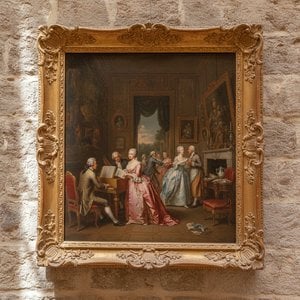
Kuninga ja kuningannade maalikunstnik: Franz Xaver Winterhalteri elu ja kunst
Franz Xaver Winterhalter, sündinud 1805. aastal eraldatud Musta Metsa külas Menzenschwandis, tõusis tagasihoidlikest oludest Euroopa ihaldatuimaks portreekunstnikuks. Tema lugu ei ole pelgalt andekast kunstnikust, kes saavutas tehnilise meisteroskuse, vaid ka mehest, kes tabas ajastu vaimu – kasvava romantismiga põimitud viktoriaanliku kombelisuse ja keiserliku uhkuse ajastu. Talupoja ja vaigu tootja pojana kasvas Winterhalteri varajane elu Saksamaa maaelu rütmis, kuid tema kunstikalduvused eristasid teda kiiresti teistest. Tugev perekondlik side, eriti tema maalijavend Hermanniga, toitis tema loomevaimu, samal ajal kui formaalne õpe benediktlaste kloostris ja hiljem Karl Ludwig Schülleri juures Freiburgis andsid talle alustavaid oskusi joonistamises ja graveerimises. See algne põhja oli ülioluline, kui ta siirdus Münchenisse, saades paroon von Eichtali toetuse ja lõpuks õppides Kunstiakadeemias, kuigi leidis akadeemilise ranguse veidi lämmatavaks. Just Joseph Karl Stieler, moeporterree meister, juhendas teda tõeliselt nende kujundavatel aastatel.
Karlsruhe'st Pariisi kõrgustesse: Kuningliku maine loomine
Winterhalteri läbimurre saabus 1828. aastal, kui ta sai joonistusõpetajaks Sophie Margravine of Badenile Karlsruhe’s. See ametikoht ei olnud pelgalt töökoht; see oli sisenemispunkt Euroopa kuninglike perekondade keerulisse maailma. Tema talent sarnasuse tabamiseks ja oma subjektidele elegantsi lisamiseks võitis kiiresti tunnustust, viies tellimused Badeni hertsog Leopoldilt ja tema naiselt. Kuid Pariis kinnistas Winterhalteri kuulsuse lõplikult. Prantsuse pealinna jõudes navigeeris ta osavalt kunstimaastikul, eksponeerides žanrisidemeid nagu *Il dolce Farniente* ja *Il Decameron*, mis demonstreerisid tema akadeemilist väljaõpet, vihjates samal ajal kasvava romantika tundlikkusele. Need teosed said kriitilise tähelepanu, kuid just tema portreed võitsid aristokraatia südame. Ta sai kuningas Louis-Philippe'i lemmikuks, täites üle kolmekümne tellimuse kuninglikule perekonnale ja kindlustades end kui eneseesindava portreekunstnikku neile, kes otsisid oma kuvandi projekteerimist võimu, rafineerituse ja dünastilise legitiimsuse kujul. Tema oskus ühendada realism flateerimisega – esitada oma mudeleid nende idealiseeritud vormis, jäädes samal ajal äratuntavaks – osutus vastupandamatu.
Viktoriaanlik omaks: Keiserliku majesteedi maalikunstnik
Winterhalteri maine ulatus Prantsusmaast kaugemale, jõudes Briti saarteni ja püüdes kuninganna Victoria tähelepanu. 1841. aastal kutsuti ta Inglismaale, alustades viljakat suhet, mis viis rohkem kui saja portree loomiseni Kuninglikku Kollektsiooni jaoks. Need ei olnud pelgalt ametlikud tellimused; need olid intiimsed pilglance kuningliku perekonna ellu, sageli tellitud isiklike kingitustena. Tema 1843. aastal loodud portree kuningannast Victoria, väike ja imeliselt detailselt joonistatud töö, on näide tema võimest tabada mitte ainult füüsilist sarnasust, vaid ka isiksuse ja emotsiooni tunnet. Maal, mille Victoria kinkis prints Albertile, kujutab noort kuningannat haavatava intiimsusega, mis eitab tema kuninglikku staatust. See edu kinnistas Winterhalteri positsiooni *Euroopa kuninglike perekondade portreekunstnikuna*, keda otsiti keisrinnas Eugénie Prantsusmaal, keisrinnas Elisabeth Austrias ja lugematuid teisi aadliku figuure. Ta sai dünastilise kuvandi loojaks, kujundades seda, kuidas need võimsad perekonnad end maailmale esitlesid.
Stiil ja pärand: Sarnasuse taga
Kuigi kunstiringkondade poolt sageli kritiseeritud flateerimise prioriteetsemise eest uuenduslikkuse ees, omab Winterhalteri töö olulist kohta kunstiajaloo raames. Tema stiili iseloomustavad täpne detail, valgustav värvipalett ja kangaste ja ehete tekstuuride hingekeerutava realismiga tabamise oskus. Ta ühendas osavalt romantika tundlikkuse neoklassikalise täpsusega, luues portreed, mis olid nii visuaalselt vapustavad kui ka psühholoogiliselt sisukad.
Tema maalid ei olnud pelgalt esitused; need olid hoolikalt konstrueeritud narratiivid võimust, staatusest ja identiteedist. Kuigi ta ei olnud revolutsiooniline sama viisil kui Delacroix või Courbet, oli tema mõju laialdane. Ta kehtestas kuninglike perekondade portreekunstniku standardi, mis püsis aastakümneid, ning tema teosed pakuvad hindamatuid ajaloolisi dokumente 19. sajandi Euroopa ühiskonnast.
Tema pärand ei seisne mitte ainult tema maalide ilu, vaid ka nende võimes transportida meid tagasi luksuslike õukondade, keerulise diplomaatia ja muutumatu sotsiaalse hierarhia ajastusse. Täna pakuvad tema teosed jätkuvalt põnevust, pakkudes akent elegantsi, ambitsiooni ja kestva kunstilise oskuse maailma.
Püsiv mulje
Franz Xaver Winterhalter suri Frankfurdis 1873. aastal, jättes maha tohutu töökorpuse, mida jätkuvalt tähistatakse selle tehnilise briljantsi ja ajaloolise tähtsuse eest. Tema maalid on leitavad silmapaistvates muuseumides ja kuninglikes kollektsioonides üle maailma, sealhulgas Londoni Rahvusgaleriis, Pariisi Musée d’Orsays ja Buckinghami palees.
- Tema oskus tabada oma mudeleid olemust koos tema meisterlikkusega tagas tema koha oma aja juhtiva portreekunstnikuna.
- Ta jääb oluliseks figuuriks 19. sajandi Euroopa visuaalse kultuuri mõistmisel ja kunsti rollis võimu ja staatuse tajumise kujundamisel.
- Tema teosed pakuvad lummavat pilgu kuninglike perekondade ellu, pakkudes hindamatuid ülevaateid nende maailma kohta.
Winterhalteri lugu on tunnistus portreekunstniku püsivast jõust – selle võimest mitte ainult tabada sarnasust, vaid ka jutustada lugusid, kujundada tajumist ja jätta kustumatu jälje ajalukku.



 Eelvaade
 Osta käsitsi maalitud maal
 Saada
Saada Jaga
Jaga
 Teave teose kohta

 Laadi alla
 Sarnased teosed
 Röntgenuuring
 Slaidietendus
 Statistika


 Loe lähemalt






































 Klaasivalik on saadaval ainult suuruses kuni 110 cm