

Sellel lehel kuvatav kunstiteos on kaitstud autoriõigusega, mis tähendab, et meil ei ole seaduslikku õigust luua või müüa identset reproduktsiooni. Seda kaitset rakendatakse rahvusvaheliste kokkulepete alusel, nagu näiteks Berne konventsioon ning riiklike seadustega, sealhulgas nendega, mida on sätestatud USA autoriõiguse seadus – 17. peatükk.
See meetod järgib täielikult autoriõiguse reegleid, kuna see ei põhine kaitstud kunstiteose kopeerimisel või dupliteerimisel. Selle asemel on tegu loova reinterpreetatsiooniga – uue maaldisega, mis on algteosest inspireeritud, kuid ei ole sellest identiline.
Muuseumikvaliteediga giclée- või kangasprint kiire tootmisega ja paindlikud viimistlusvõimalused. ( Osta käsitsi maalatud teos Lülita digitaalse pildi juurde)





























Vali meie eelmääratud suurused, mis vastavad teose algupärastele proportsioonidele.

Sisestage vajalik laius ja kõrgus, et see sobiks teie raamile või seinale. Trükki saab ainult lõigata, seda ei saa kunagi pildist suuremaks teha, seega ka erineva mustega suurus kaotab osa pildist. Enne trükkimist saadame teile kinnitamiseks digitaalse näidisprojektsiooni. Sellel lehel näidatud pilt ei kujuta reaalset lõiget — seda näitab ainult näidisprojektsioon.
Ülemaailmne tarne () 2 nädala jooksul, tavalise 4/5 nädala asemel. (9 november)
Study for a Pope III,
Reproduktsiooni suurus
Francis Bacon’s “Study for a Pope III,” painted in 1961, isn’t merely a depiction of a figure; it’s an excavation of the human psyche. This monochrome masterpiece, born from a period of intense introspection and societal upheaval following World War II, embodies the artist's signature style – a brutal honesty that confronts viewers with the unsettling realities of existence. The painting immediately arrests attention with its claustrophobic composition: a seated figure, rendered in stark shades of grey, is enveloped within a tightly defined space, dominated by vertical lines that seem to constrict and isolate. This isn’t a portrait intended for admiration; it's an exploration of vulnerability, anxiety, and the inescapable weight of mortality.
The subject, clearly referencing Velázquez’s iconic “Portrait of Pope Innocent X,” is deliberately distorted and fragmented. Bacon abandons the traditional conventions of Renaissance portraiture, stripping away any semblance of idealized beauty or serenity. Instead, we are presented with a figure whose features – a tilted head, a furrowed brow, an almost skeletal hand clutching at his robe – convey profound unease. The red drapery, a jarring contrast against the predominantly grey palette, adds to this sense of tension and perhaps hints at the weight of religious authority or the burden of leadership.
Bacon’s “Study” isn't simply a copy of Velázquez; it’s a deliberate engagement with a master whose work he deeply admired. The composition, particularly the use of vertical lines and the emphasis on the figure’s posture, directly references the Spanish painter’s masterful control of space and his ability to capture psychological depth within a relatively small format. However, Bacon subverts Velázquez's carefully constructed realism by injecting an overwhelming sense of emotional turmoil. The starkness of the monochrome palette amplifies this effect, eliminating any distractions and forcing the viewer to confront the raw intensity of the subject’s expression.
Furthermore, the title “Study” is crucial. It signifies that this isn't a finished work but rather an exploratory sketch – a preliminary investigation into a complex idea or emotion. It reveals Bacon’s process: a relentless pursuit of capturing fleeting moments of feeling and translating them onto canvas. The painting becomes a testament to his dedication, a visual record of the artist wrestling with his subject.
Bacon's technique is characterized by loose, gestural brushstrokes that create a sense of movement and instability. The paint seems to writhe across the canvas, mirroring the figure’s internal turmoil. The use of impasto – thick layers of paint – adds texture and physicality to the image, further emphasizing its emotional intensity. The simplification of form—reducing the Pope to essential shapes—heightens the sense of abstraction and allows the viewer to project their own anxieties onto the subject.
Beyond the immediate depiction of a figure, “Study for a Pope III” speaks to broader themes of isolation, power, and the human condition. It’s a powerful meditation on vulnerability in the face of authority, a haunting reminder of our shared mortality. The painting's enduring appeal lies in its ability to evoke a visceral response – a feeling of unease, perhaps even dread – that lingers long after viewing.
WahooArt offers meticulously crafted hand-painted reproductions of “Study for a Pope III,” allowing you to experience the full impact of this iconic work in your own space. These reproductions capture not only the visual details but also the emotional depth and textural qualities of the original painting. Whether displayed as a striking statement piece or integrated into a more subtle interior design scheme, Bacon’s “Study for a Pope III” is guaranteed to provoke thought and conversation.
Teose „Study for a Pope III,“, autor Francis Bacon leht AR-eelvaade teose kohta kasutab täiendatud reaalset, et näidata teost ühilduva seadme abil teie enda ruumis.
Teos „Study for a Pope III,“, autor Francis Bacon kujutab esile Strong Color Unity värviharmooniat.
Francis Bacon loob teose "Study for a Pope III," aastal 1961.


1909 - 1992 , Iisamaa

Discover the raw emotion of Symbolic Expressionism. Our expert guide explores how masters like Munch use color and form to convey inner feelings, offering inspiration for collectors looking to bring powerful, soulful art into their modern homes.

Avastage Francis Baconi 25 võimsamat teost! Sukelduge ekspressionismi, figuurikunsti ja šoki maailma. Luksuslikud reproduktsioonid & interjööridisaini inspiratsioon WahooArt.com-is. Vaadake kollektsiooni!
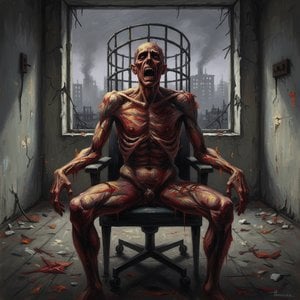
Explore the profound existential anguish of Francis Bacon's art. Discover how trauma shaped his iconic paintings & lasting influence on modern expressionism. A guide for discerning collectors.

Explore 10 Expressionist paintings that revolutionized art! Discover Munch, Kirchner & Kandinsky's iconic works. Find museum-quality reproductions and vibrant canvas prints to elevate your home decor on WahooArt.com.

Avastage Leonardo da Vinci 25 suurimat teost! Sukelduge renessanssimaali imemaailma, Mona Lisa müsteeriumisse ja Viimase õhtusöögiga maalinnudesse. Leidke inspiratsiooni kodukaunistusteks WahooArt.com-is – kvaliteetsed kunstireprodutsioonid ja kollektsioonid.
 Eelvaade
 Saada
Saada Jaga
Jaga
 Teave teose kohta
 Juhend

 Laadi alla
 Sarnased teosed
 Röntgenuuring
 Slaidietendus
 KÜSIMUSED JA VASTUSID
 Statistika

 Loe lähemalt









 Klaasivalik on saadaval ainult kuni 110 cm suuruses teostes


