Eelvaade AR-eelvaade Osta käsitsi maalatud teos Lülita digitaalse pildi juurde Saada
Teave teose kohta Juhend Lisa lemmikutesse Laadi alla Sarnased teosed Röntgenuuring Slaidietendus Q&A Statistika

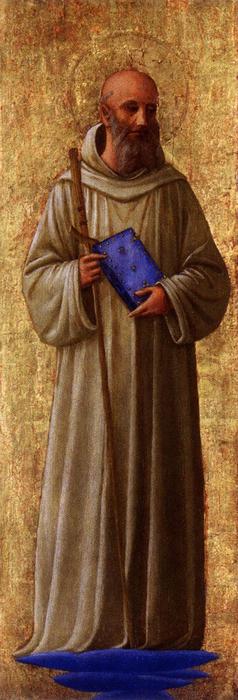
St Romuald

Experience Fra Angelico's serene 'St. Romuald' (1440). A captivating portrait of the Camaldolese founder, rendered in tempera on panel, embodying devotion and spiritual depth.

Avasta vararenessansi meister Fra Angelico (u 1395-1455) vaimustav kunst: pühendunud freskod, elavad värvid ja sügav vaimsus! Tutvuge 'Inglipahtijaga' ning tema pärandiga!

Giclée / Kunstiprint

Muuseumikvaliteediga giclée- või kangasprint kiire tootmisega ja paindlikud viimistlusvõimalused. ( Osta käsitsi maalatud teos Lülita digitaalse pildi juurde)

Corner sample of the P118B picture frame: vormitud polüstüreen, 5 cm wide and 3 cm thick
P118B €10
Corner sample of the P118H picture frame: vormitud polüstüreen, 5 cm wide and 3 cm thick
P118H €10
Corner sample of the P118W picture frame: vormitud polüstüreen, 5 cm wide and 3 cm thick
P118W €10
Corner sample of the P438Z picture frame: vormitud polüstüreen, 5.5 cm wide and 3.5 cm thick
P438Z €10
Corner sample of the P508JH picture frame: vormitud polüstüreen, 7 cm wide and 3.5 cm thick
P508JH €12
Corner sample of the P508YH picture frame: vormitud polüstüreen, 7 cm wide and 3.5 cm thick
P508YH €12
Corner sample of the P805H picture frame: vormitud polüstüreen, 5 cm wide and 3.5 cm thick
P805H €10
Corner sample of the P805Z picture frame: vormitud polüstüreen, 5 cm wide and 3.5 cm thick
P805Z €10
Corner sample of the P919BZ picture frame: vormitud polüstüreen, 7 cm wide and 3.5 cm thick
P919BZ €10
Corner sample of the P919G picture frame: vormitud polüstüreen, 7 cm wide and 3.5 cm thick
P919G €10
Corner sample of the P919XJ picture frame: vormitud polüstüreen, 7 cm wide and 3.5 cm thick
P919XJ €10
Corner sample of the P959ZH picture frame: vormitud polüstüreen, 5 cm wide and 3 cm thick
P959ZH €10
Corner sample of the P968JZ picture frame: vormitud polüstüreen, 6 cm wide and 4 cm thick
P968JZ €12
Corner sample of the W106C picture frame: massivpuit, 5 cm wide and 3 cm thick
W106C €8
Corner sample of the W218G picture frame: massivpuit, 5 cm wide and 3 cm thick
W218G €10
Corner sample of the W218JH picture frame: massivpuit, 5 cm wide and 3 cm thick
W218JH €8
Corner sample of the W218Y picture frame: massivpuit, 5 cm wide and 3 cm thick
W218Y €10
Corner sample of the W307PJ picture frame: massivpuit, 6 cm wide and 3 cm thick
W307PJ €10
Corner sample of the W316G picture frame: massivpuit, 6 cm wide and 3 cm thick
W316G €10
Corner sample of the W316PJ picture frame: massivpuit, 6 cm wide and 3 cm thick
W316PJ €8
Corner sample of the W316Y picture frame: massivpuit, 6 cm wide and 3 cm thick
W316Y €10
Corner sample of the W398PJ picture frame: massivpuit, 5 cm wide and 3 cm thick
W398PJ €8
Corner sample of the W4111J picture frame: massivpuit, 6.5 cm wide and 3.5 cm thick
W4111J €10
Corner sample of the W500HY picture frame: massivpuit, 7 cm wide and 5 cm thick
W500HY €15
Corner sample of the W500JH picture frame: massivpuit, 7 cm wide and 5 cm thick
W500JH €15
Corner sample of the W692G picture frame: massivpuit, 8 cm wide and 4 cm thick
W692G €12
Corner sample of the W849H picture frame: massivpuit, 5 cm wide and 3 cm thick
W849H €8
Corner sample of the W940BG picture frame: massivpuit, 7.5 cm wide and 4.5 cm thick
W940BG €15
Corner sample of the W953PJ picture frame: massivpuit, 6 cm wide and 3.5 cm thick
W953PJ €8

Standardne suurus
kohandatud
CM
INCH

Vali meie eelmääratud suurused, mis vastavad teose algupärastele proportsioonidele.

laius
kõrgus

Sisestage vajalik laius ja kõrgus, et see sobiks teie raamile või seinale. Trükki saab ainult lõigata, seda ei saa kunagi pildist suuremaks teha, seega ka erineva mustega suurus kaotab osa pildist. Enne trükkimist saadame teile kinnitamiseks digitaalse näidisprojektsiooni. Sellel lehel näidatud pilt ei kujuta reaalset lõiget — seda näitab ainult näidisprojektsioon.

Ülemaailmne tarne () 2 nädala jooksul, tavalise 4/5 nädala asemel. (28 oktoober)

Tasuta ekspresssaatmine üle maailma
Kõrgekvaliteediline lina-kangas
Täielik transpordikindlustus
Tollimaksude tagastamise garantii
Värvitoime täpsuse garantii
100 päeva tagastusõigus (ainult valmistusdefektide korral)
100% raha tagasi garantii
Hulgusoodustus

Kogu summa

€ 60

St Romuald

Giclée / Kunstiprint

Reproduktsiooni suurus

-

Koguhind

€ 60

Teave teose kohta

  • Influences: Cluniac Reforms
  • Artistic style: Religious painting
  • Subject or theme: St. Romuald's devotion
  • Artist: Fra Angelico
  • Movement: Early Renaissance

Kunstiteaduse kvartett

Iga küsimuse kohta on ainult üks õige vastus.

Küsimus 1:
What is the primary subject of Fra Angelico’s painting, ‘St. Romuald’?
Küsimus 2:
The gold-colored wall in the background of ‘St. Romuald’ primarily serves to:
Küsimus 3:
Based on the provided information, in what year was ‘St. Romuald’ painted?
Küsimus 4:
Fra Angelico's work, including ‘St. Romuald’, is primarily associated with which artistic movement?
Küsimus 5:
The composition of ‘St. Romuald’ suggests a focus on:

The Serene Figure of St. Romuald by Fra Angelico

Fra Angelico’s “St. Romuald,” painted in 1438-1440, is more than just a portrait; it's an intimate glimpse into the soul of a man dedicated to spiritual contemplation and monastic life. This panel painting, executed in tempera on wood, embodies the hallmarks of the Early Renaissance while simultaneously radiating a profound sense of peace and devotion. The work resides within the broader context of Fra Angelico’s prolific output at San Marco Monastery in Florence, serving as part of the larger “San Marco Altarpiece” – a series that profoundly shaped the artistic landscape of the period.

The subject himself, St. Romuald, is depicted with remarkable dignity and quiet strength. He stands before a simple wall, his posture suggesting both contemplation and readiness. In his left hand, he holds an open book—a potent symbol of knowledge, scripture, and the monastic pursuit of wisdom. A staff, crafted from reeds, rests in his right hand, representing guidance, protection, and connection to the natural world – reflecting Romuald’s commitment to a life lived close to God and nature. The subtle golden halo above his head isn't merely decorative; it signifies his sanctity and elevation within the Christian faith.

A Masterclass in Early Renaissance Technique

Fra Angelico’s genius lies not only in his subject matter but also in his masterful technique. He employs a delicate layering of tempera paint, building up translucent glazes to achieve an astonishing luminosity and depth. Notice how the light seems to emanate from within the figure, illuminating his face and highlighting the folds of his robe. The use of *sfumato*, a subtle blurring of lines and edges, creates a sense of atmospheric perspective, drawing the viewer’s eye into the scene and lending it an ethereal quality. The background wall, rendered in muted gold tones, provides a luxurious yet understated backdrop, emphasizing the saint's solemnity without overwhelming the figure.

The painting’s composition is remarkably balanced and harmonious. The placement of St. Romuald within the frame, coupled with the simplicity of the setting, creates a sense of stability and serenity. There’s an intentional restraint in the details – no extraneous elements distract from the central figure. This focus on essential forms and spiritual content is characteristic of Fra Angelico's approach, reflecting his deep-seated belief that art should serve as a conduit for divine inspiration.

Symbolism and Spiritual Resonance

Beyond its aesthetic beauty, “St. Romuald” is rich in symbolic meaning. The book represents the monastic commitment to learning and prayer, while the staff symbolizes the saint’s role as a protector and guide. The choice of reeds for the staff speaks to Romuald's connection with nature and his humble lifestyle. The golden halo, a recurring motif in Fra Angelico’s work, signifies divine grace and spiritual enlightenment.

St. Romuald himself was a pivotal figure in the development of the Camaldolese order, known for its austere practices and dedication to contemplation. His life exemplified a return to the simplicity and spirituality of early monasticism, offering a powerful counterpoint to the increasingly opulent and worldly trends of the Renaissance. The painting serves as a poignant reminder of this enduring legacy – a testament to the transformative power of faith and devotion.

A Timeless Piece for Reflection and Decoration

Reproductions of “St. Romuald” by WahooArt.com offer an exceptional opportunity to bring this exquisite artwork into your home or office. The meticulous detail and vibrant colors of our hand-painted reproductions faithfully capture the essence of Fra Angelico’s original masterpiece, allowing you to experience its profound beauty and spiritual resonance firsthand. Whether adorning a study, meditation room, or simply adding a touch of serenity to your surroundings, this timeless image will undoubtedly inspire contemplation and uplift the spirit.

Consider how St. Romuald's quiet strength and devotion might complement your personal style and create a space that fosters peace and reflection. Explore our range of sizes and framing options to find the perfect reproduction for your needs – each one crafted with the same care and attention to detail as the original.

Korduvad küsimused

Millistes mõõtudes ja millises suunases on "St Romuald" trükkimist soovitatav teha?

Teose "St Romuald" puhul on soovitatav trükiformaat Large suurusega ja Tall suunaga.

Millest teos "St Romuald" on valmistatud ja millises stiilis?

Teoses "St Romuald" kohtuvad Acrylic On Canvas tehnika ja Early Renaissance suundumus.

Kas teos „St Romuald“, autor Fra Angelico on värvitoonilt kerge või tumenev?

Teose „St Romuald“, autor Fra Angelico eregus on balanced ja luminants on Soft Shadow.


Kunstniku elulugu

Varase Elu ja Vaimulik Kujunemine

Giovanni da Fiesole, hiljem tuntud kui Fra Angelico, sündis umbes 1395 aastal Toscana mäenõlvadel Firenze lähedal. Tema varasest elust teame vähe, kuid arvatakse, et ta sai hea hariduse, mis valmistas ette eluks lihtsatest algusist kaugemale. Oluline hetk saabus siis, kui noor Giovanni astus Dominikaani ordusse Fiesoles, võttes omaks uskliku kaitsmise ja teenimise elu. Just kloostri seinte vahel sai temast vend Angelico – hüüdnimi, mis peagi kajastas nii tema mungatõotusid kui ka tema kunsti olemust. Esialgu pandi talle ülesandeks käsikirjade illumineerimine – täpne ja värviküllane käsitöö, mis lihvis oskusi, mis hiljem õitseksid vapustavateks freskodeks ja paneelpiltideks. See varajane koolitus sissemani sügava lugupidamise detaili vastu, pigmentide valitsuse ning arusaamise, kuidas jutustada loo visuaalsete vahenditega. Dominikaani ordul oli suur mõjuga teoloogiliste õpingute rõhk, mis kujundas tema kunstilist nägemust ja andis töödele sügava usu- ja eesmärgipäeva.

Kunstilise Stiili Arenemine

Fra Angelico kunsti arenemine ei toimunud isolatsioonis; ta omastas tolleaegsete Firenze maalijate voolusid. Lorenzo Monaco, tolle aja juhtiv kunstnik, elegantsed jooned ja dekoratiivsed mustrid on nähtavad tema varajastes töödes. Fra Angelico ei jäljendanud aga pelgalt oma eelkäijat. Ta hakkas neid mõjutusi ühendama kasvava naturalistlikkusega, mis ilmnes tõenäoliselt kokkupõrke läbi Masaccio murranguliste freskodega. Kuigi Masaccio revolutsioonistas maali dramaatilise perspektiivi ja inimkuju realistliku kujutamisega, valis Fra Angelico teistsuguse tee. Ta omakas perspektiivi mitte enda pärast, vaid loomaks sügavamalt vaimustavat kogemust. Tema figuurid, kuigi graatsilised ja sageli idealiseeritud, on vaikiva väärustusega ja emotsionaalse resonantsiga, mis ületab pelgu esituse. Oluline on see, et tema kunst oli lahutamatult seotud tema usuga; ta nägi maalimisest mitte kutset, vaid palvet – viisi jumalikku kaaluda ja seda teistele nähtavaks teha. See sügavalt peidetud veendumus andis iga pintslilöögile austuse ja siirust.

Usk ja Värvi Meisterteosed

Fra Angelico kunstiline pärand on ankurdatud mitme monumentaalse teosega, mis jätkuvad sajandeid hiljem inspireerivat imetlust. Firenze San Marco kloostri freskod peetakse laialdaselt tema meistriteoseks. Dominikaani konvendi jaoks tellitud need Kristuse elust stseenid kiirgavad haruldast rahulikkust ja emotsionaalset sügavust, mida on vähelegi kohanud renessanssiajastu kunstis. Iga kujutis – Annastamisest kuni Ristsurnimiseni – on täis vaikivat kaitsmist, kutsuma vaatajaid isiklikku kohtumist pühaga. San Marco peale näitab tema *Perugia Altarpiece* tema stiili arengut, eriti Annastamise õrna kujutamisel. Annastamise teema ise ilmub mitmes versioonis kogu tema loomingus, igaüks neist on esitatud eeterliku ilu ja sümbolilise rikkusega. Teosed nagu *St. Lawrence Giving Alms* näitavad tema oskust jutustus kompositsioonides ja võimet kujutada inimemotsioone tundlikkuse ja graatsiga. Tema palett iseloomustab ergas, selge värvitoonidega – sinised, kuldsed ja punased –, mis paistavad sisemiselt sädelevat, luues teisenema maailma särast atmosfääri.

Pärand ja Püsiv Mõju

Fra Angelico seisab vararenessanssi olulise figuurina, kehastades ajastu usu pühendumise ja kunstilise innovatsiooni ühinemist. Ta polnud lihtsalt maalija; ta oli vaimulik nägija, kes tõlgendas oma usku visuaalseks vormiks. Tema töö peegeldab perioodi humanistlikke ideaale, rõhutades inimväärsust ja potentsiaali vaimulikkuse kaitsmiseks. Giorgio Vasari, tähistatud kunstiajaloolane, kiitis Fra Angelicot oma *Künstlerlebenslaufis*, väites, et ühestki kiitusest ei piisa tema loomingu ilu jäädvustamiseks. See kinnitas tema koha lääne kunsti kaanonis. Tema mõju ulatub kaugemale tema ajast, inspireerides põlveid kunstnikke oma pühendunud stiili ja värvi meisterliku kasutamisega. 1982 aastal tunnustas Paavst Johannes Paulus II ametlikult Fra Angelico pühakust, mis on tunnistus tema elu ja töö sügavast vaimulikkuse mõjust. Tänapäeval resoniseerib tema kunst jätkuvalt vaatajatega üle maailma, pakkudes igavest sõnumit usust, lootest ja iludusest.

Kus Tema Kunsti Kogeda

  • Museo di San Marco, Firenze: See muuseum majutab suurima ja olulisema Fra Angelico tööde kollektsiooni, sealhulgas vapustavad freskod kloostri seinadelt.
  • The Louvre Museum (Pariis): Mitmeid olulisi Fra Angelico maalijaid saab leida Louvre'i ulatuslikus kollektsioonis.
  • The National Gallery (London): Rahvusgalerii on tema tööde valik, mis annab külastajatele ülevaate tema kunstilise geniaalsuse kohta.
  • Santa Maria sopra Minerva, Rooma: See kirik sisaldab Fra Angelico fresko ja on koht, kus ta ametlikult pühitseti.
  • Paljud teised muuseumid üle maailma eksibitseerivad tema kunsti näiteid, võimaldades laiemat hindamist tema püsiva pärandi kohta.
Fra Angelico

Fra Angelico

1395 - 1455 , Itaalia

Lühikest infot

  • Artistic Movement Or Style: Vararenessanss
  • Artists Or Movements Influenced By This Artist: ['Vararenessanss kunstnikud']
  • Artists Who Influenced This Artist:
    • Lorenzo Monaco
    • Masaccio
  • Date Of Birth: u 1395
  • Date Of Death: 1455
  • Full Name: Fra Angelico
  • Nationality: Itaalia
  • Notable Artworks:
    • San Marco freskod
    • Perugia altaripilt
    • Teatamine
    • Püha Laurentius annab vaesed
  • Place Of Birth: Rupesana, Itaalia
Avastage teoseid, mis on koondatud teemade, stiilide ja omaduste kaupa.