

Muuseumikvaliteediga giclée- või kangasprint kiire tootmisega ja paindlikud viimistlusvõimalused. ( Osta käsitsi maalatud teos Lülita digitaalse pildi juurde)





























Vali meie eelmääratud suurused, mis vastavad teose algupärastele proportsioonidele.

Sisestage vajalik laius ja kõrgus, et see sobiks teie raamile või seinale. Trükki saab ainult lõigata, seda ei saa kunagi pildist suuremaks teha, seega ka erineva mustega suurus kaotab osa pildist. Enne trükkimist saadame teile kinnitamiseks digitaalse näidisprojektsiooni. Sellel lehel näidatud pilt ei kujuta reaalset lõiget — seda näitab ainult näidisprojektsioon.
Ülemaailmne tarne () 2 nädala jooksul, tavalise 4/5 nädala asemel. (20 november)
Geometric standards
Reproduktsiooni suurus
Teost "Geometric standards" saab uurida kiht kihti teose Röntgenuuring lehel, mis on restauraatori valgelaudast inspireeritud interaktiivne vaatur, pakkudes kujundist üksteist optilist lugemist.
Teose „Geometric standards“, autor Fernand Léger loomimisaastaks on märgitud 1913.
Teose "Geometric standards" värvid moodustavad Neutrals paleti. See klassifikatsioon kirjeldab domineerivaid värvigruppe.

Fernand Léger'i lugu algab Argentani külas, mis asub Madrõun-Normandie piirkonnas Orne ängis. Ta tuli homma valgama 4. veebruaril 1881 aastal kui ainukein poeg. Tema varajased aastad said vormistada Prantsuse maapiirkonna vaiksuse ja tema ema, Marie-Adèle Daunou, kohalolun mõju all. Tema isa, karjakaubandusega toimetav mees, lahkus maailmast, kui Fernand oli veel vaid väike poiss, jättes orvuna poja oma ema karedate, kuid piously ja oma iseloomuliku vaiksusega kodukeskkonda kasvatama.
See Normandiid maapiirkondades saadud kasvatus pakkus tugevat vastandust ellu, mida ta hiljem Prantsuse kultuuri pulsisemates keskveksedes elas. Kuigi tema juured olid seotud mullaga ja põllumajandiku elu füüsilisusega, tõmbas tema vaim modernsuse keerukuste poole. Lõpuks laiendas ta oma ulatust kaugele Argentani piiridest kaugemale, muutudes mitmekülgse loovuse meheks. Ta ei piirdunud vaid lamedale kangelendusele, vaid püüdis väljendada oma visiooni läbi skulptuuride ja kino liikuva pildi keele.
Tema elu oli pidev liikumine tema noorekonnu orgaaniliste tekstuuride ja linnade struktureeritud, masinlikke rütmide vahel. See dualism määrkas tema olemust, kui ta navigeeris muutuva sajandite vahel. Tema tee ei olnud kunagi lihtne, seda isvestas püsiv pinge tema lapsepõlve traditsioonilise maailma ja kiire, tööstusliku tulevikupulsi vahel, mida ta hiljem oma kunstiga määratlemisel aitas kaasa vormistada.
Tema visiooni juured olid süvendatult pandud Prantsusmaa madalates Normandia piirkondades asuvates Argentani maastikeses, kus domineerisid põllumajanduslikud vaademed. Sündides maailma, mis oli täis karjatamist ja talud, kujendasid tema varajasi maali füüsiline reaalsus ja põllumajandiku elu rütmiline veerevus. See tugev side konkreetse, töötava maailmaga jäi vaikseks kaasasessaks vaimuks tema hilisemate, palju keerukemate uurimiste alla. Ainukeal poeg, keda kasvatavas üksik ema, oli nii usulik kui ka oma isikupärast tagasihooledu, ning tema algne tee suunas ta arhitektuuri ranguse ja struktureeritud disipliini poole. Aastatel 1897–1899 pühendus ta sellele tehnilisele käsitlusele, õppides ruumi loogikat ja täpsese joonistamise hädavõimesust.
Kuid 1900. aastal muutus linna magnetefekt liigasti ignoreerimiseks ning ta otsustas kolida Pariisi. Ta leidis toispeedi arhitektuurijoonistajana, rollina, mis nõudis teravat silma liinide ja proportsioonide suhtes. Kuigi arhitektuuriline haridus pakkus talle struktuurset alustala, hakkas tema süda leidma oma teed lauaugu ja värvide juurde. Ta püüdis pääsja prestiižsesse École des Beaux-Arts'i, kuid institutsioon ei andnud talle ametlikku õppijastati. Puudumata, õppis ta koolis mitte-registreeritud õppijana, imedades meistrite õpetusi ja samal ajal liigudes akadeemilise maailma servades. See uurimise periood, mida vahel kirjeldatakse kui otsingute aega, oli kriitilise tähtsusega tema tehnilise oskuse lihvimisel – oskuse, mida ta kavatses hiljem kasutada maailma oma keeles lahtiarmamiseks ja uuesti ülesehitamiseks.
1907. aastal toimus kunstnikis sügav mõju, kui ta kohtus Salon d'Automne näksjonil Paul Cézanne'i retrospektiiviga. See kohtumine toimis katalüüsatorina, tõmmates ta eemale tema noorekonnu pehmetest impressionidest ning suunates ta poole struktuurilisemmat vaatamisviisi. Ta hakkas vaatama asjade pindas läbi, otsides selle asemel alist geomeetriat, mis maailma defineerib. Kuni 1909. aastaks oli tema roll Pariisi loovates ringkondades kasvanud, kui ta kohtus selliste tegelastega nagu Alexander Archipenko, Jacques Lipchitz, Marc Chagall ja Robert Delaunay. Need kohtumised ei olnud pelgalt sotsiaalsed; need olid uute ideede kokkusaamised, mis alevitasid tema areneva visiooni suunda.
Aastate möödudes leidis ta end Puteaux grupi, kunstnike ringkonna, mida tuntakse ka kui Section d'Or, orbiitist. Koos Jean Metzingeri ja Henri Le Fauconnieri-ga uuris ta selle uue keele matemaatilisi ja struktuurelisi võimalusi. Ta ei olnud rahul lihtsalt teiste poolt ette antud teedega, vaid püüdis leida oma tee läbi murdudud tasandite ja üksteisele overlappingutavate vormide, mis seda ajastust iseloomustasid. See intensiivsete eksperimentide periood viis tema esimese suure näituse kuni Salon des indépendantsis 1911. aastal, kus ta esindas teost Nudes in the Forest.
Suure sõja kaos Armastus tõi kunstniku Pariisi stuudioist eemale, uputades ta rinde äärmult reaalsusesse. Aastatel 1914–1917 teenis ta Prantsuse armees, veetades kaks rasket ja väsitavat aastat Argonne metsades. See konflikt ei olnud tema elule pelgalt taustaks, vaid transformeeriv jõud, mis muutus tema täielikult vormi suhtesmõistmise. 1916. aastal oli tema elu ohus sinisega gaasiga rünnaku tõttu, mis jäi teda taastuma, samal ajal kui tema ümber olev maailm reegitud oli tööstusliku häbususe võimsast jõust. Isegi sel aastal saadud lühikese puhkuse ajal tundis ta vajadust maalida, luues teose Soldier with a Pipe. See töö pities kinni uue reaalsuse tunnet, kus inimkeha hakkas omandama neid omadusi, mis iseloomustasid lahinguvälja domineerivaid masinaid.
Kuni 1917. aastaks oli tema loomingulises vaimus asetunud selge pöörre, mis märkis algust perioodile, mida hakati nimetama tema mehaaniliseks perioodiks. Ta leidis kummalist, rütmilist kaunistust kaasaegse sõja ja tööstuse tööriistades ning tehnoloogias. Silead, torulaadne vormid ja mehaaniliste osade täpsus said tema uue visuaalse keeleks. Ta ei näinud neid objekte külmana või isetundmatuna; vastupidi, ta omastas nende tugevust ja võimet organiseerida modernse eksistentsi kaos. Sõda oli eemaldanud tema varasemate teoste pehmed servad, asendades need teravate, struktuursete kontuuridega, mis peegeldasid muutuva ajastu terast ja pistonit.
Tema pintsel liigus rütmikas, peaaegu tööstuslik täpsus, püüdes tabada muutuva ajastu pulssi. Ta vältis mineviku pehmeid ja segatud varjuid, eelistades selle asemel luua oma kompositsioonid robustse ja geomeetrilise tugevuse keeles. See suunata püüdlus viis tema isikupärase kubismi vormi arenguni, mille kriitikud tunnistasid kui "tubism". Selles stiilis reimaginiitrine maailm läbi torulaiste, koonuliste ja kuubiliste vormide, luues volüümi tunde, mis oli ühtlasi massiline ja dünaamiline. Ta ei pildistanud objekte lihtsalt nii, nagu need väisid; ta püüdis leida nende olemusliku, struktuurse loogika.
Värvid, mida ta valis, olid sama survevaga kui vormid, mida need täitsid. Ta eelistas paletit, mida domineerisid primäärvärvid, sageli terava musta ja valge akcentidega, mis aitasid määratleda tema teemade selgeid piire. Selle asemel, et tugeneda traditsioonilisele ilusionismile, rakendas ta värvi julgelt ja lamedalt, luues värvikihtide planeedid. Ta kasutas sageli paksut impasto-tehnikat, mis rõhutas kunstilose füüsilist olekut liaisel. See tekstuuriline lähenemine tagas tema teoste materiaalsuse ja veisendi, peegeldades just neid masinaid ja linnastruktuure, mida ta nii kütlikult imetles. Tema figuurid said sageli sleek, mehaanilise välimusega kuju, hälgides piiri orgaanilise inimkeha ja kaasaegse ajastu tehnilise täpsuse vahel.
Globaalse konfliktide muutuvaid laineid jälgides pöördugi kunstnik lõpuks ära oma Pariisi ringkondadest ja kukkus üle Atlanti. Aastatel 1940 kuni 1945 elas Fernand Léger USA-s – see periood pakkus talle täiesti uue vaatepunkti modernsele maailmale, mida ta oli nii kaua püüdnud lamedale latalusele tõsta. See välisfusel viibis tema pikas evolutsioonile väikese pausi, olles üleminekuaeg enne tema lõpliku naasmist tagasi Prantsuse mullasse.
Pärast kodumaale naasmist sai tema isiklik elu märkimisvahelduse. Veebraliku Kuunil 1952 avas ta uue chapteri, kui ta abiellus Nadia Khodasevichiga. See liit tähistas tema elu viimast sagedat ja produktiivset faasi, mis oli täis pidevat loomingulist tööd – alates monumentaalsetest seinamaalidest kuni õhulistest vitraalidest. Isegi vanuse kasvades ei väärdunud tema rahvusvaheline tunnustus; vastupidi, tema maine püsis kindlalt ja tugevalt. Aastal 1955 pälvas ta São Paulo biennaali suure pea, kõrgest auhast, mis kohtus tema viimase stadiidiga. Fernand Léger jäi maailma vastu 17. augustil 1955. aastal Gif-sur-Yvettes, Prantsusmaal.
Fernand Léger jättis endale jääva jälje, mis ulatus kaugele tema oma aja avangardsetest ringkondadest. Sillutades sildid abstraktsioone ja figuuraalse esitlusviisi vahel, pakkus ta kunstnikule võimalust suhelda modernsusega, ilma et inimlik teema täielikult kadumaks jääks. Tema lähenemine võimaldas dialoogi struktuaalse geomeetrilise loogika ja inimeste ning objektide ülesütlevate kohalolu vahel. See võime leida kesktee puhtalt konseptuaalse ja käbedava vahel aitas kujundada suunata palju seda kunstivormi, mis tema järel vastas.
Tema julge vormide lihtsustamine ja fassinatsioon massiproduktsiooni esteetika vastu toimis popkunsti liikumise eeltulevikuna. Ta leidis teatud kaunistust masinaaja korduvas ja funktsionaalses olemuses – vaatepunktis, mis resonantsis hiljem uue laagooni loovate kunstnikuteกับ. Kunstnikud nagu Roy Lichtenstein ja Andy Warhol tõid välja selge seose tema julgete kontuuride ja masinavaimse piktogrammide eksperimentide ning oma popkultuuri uuringute vahel. Ta aitas valmistada ette visuaalset keelt ajastufaili, mis tähistas lõpuks just neid tööstuslikke ja komersiaalseid elemente, mida ta oli kunagi püüdnud lamedale latal uue vormiga väljendada.
Tema visiooni füüsilist kohaloluvi on võimalik kokevad rannikuäärses Prantsus, täpsemalt Biot's, Alpes-Maritimes'i piirkonnas. Seal asub Musée national Fernand Léger – pühakoda, mis on pühendatud täielikult tema loomingulise pärandi uuringule ja säilitamisele. Muuseum on majutatud Mas Saint-André's, villas, mis kuulus kunagi kunstnikule ise. Need seinad ja ümbrivad aiad pakuvad tema polükroomsete keraamiliste skulptuuride jaoks täiusliku miljöö, võimaldades vaatajal kogeda, kuidas tema vormid rütmivad koos Vahetuse merepiirkonna maastiku valguse ja ruumi kanssa.
Lisaks sellele spetsiaalsele pühakodale on tema lamedad pinda ja skulptuurid säilitatud mitmetes olulistes institutsioonides. Prantsus asuv Musée d'Art et d'Histoire hoiab oma kogumuses tema teoseid, tagades tema kohaloluvi Prantsuse kunsti laiemas ajaloolises narratiivis. Need kogumised võimaldavad jätkuvalt uurida, kuidas ta tõlkis masinaaja energiaks staatilisteks, kuid samas pulsiregavaks visuaalseks vormiks. Kunstikogemust otsivad reisukliendid võivad leida tema jälgi mitmetest suurematest kollektsioonidest, sealhulgas:
Tema mõju peegeldub ka teiste kunstikate teostes, kuid peamine viis tema otsese käja ja stiili kohtamiseks on just need tunnustatud kunstikogud. Olgu see siis julgeid, silindrilisi vorme muuseumis uurinema või tema skulptuure aiakuumuses vaatlemine, vaataja seisab silmitsi sama struktuurse selgusega, mis määrkas tema elu jooksul loodud loomingulise tegevuse. Tema pärand on juurdunud just nendes kohtades, kus tema maalide rütmiline, masinavaimne jõud on säilitatud neile, kes otsivad tõet tema geomeetria taga.

1881 - 1955 , Prantsusmaa

Journey through the bold shapes and vibrant colors of geometric abstraction. Explore the stories behind 10 iconic masterpieces that redefined modern art. Find museum-quality reproductions and decor inspiration for your space. Discover all masterpieces on WahooArt.com.
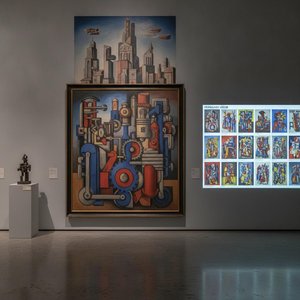
Immerse yourself in the vibrant world of Fernand Léger. Explore 25 iconic masterpieces of Cubism and Tubism, from bold geometric forms to machine-age energy. Find inspiration for your decor with museum-quality reproductions. Discover all masterpieces on WahooArt.com.

Explore the vibrant world of Fernand Léger. Discover how his 'Tubism' and Machine Age aesthetics redefined modern art, offering profound inspiration for discerning collectors seeking geometric beauty and industrial dynamism.
 Eelvaade
 Saada
Saada Jaga
Jaga
 Teave teose kohta
 Juhend

 Laadi alla
 Sarnased teosed
 Röntgenuuring
 Slaidietendus
 KÜSIMUSED JA VASTUSID
 Statistika

 Loe lähemalt









 Klaasivalik on saadaval ainult kuni 110 cm suuruses teostes





