TASUTA KUNSTIKONSULTATSIOON

x
Telli trükis Telli trükisTellimaks maali Tellimaks maali SaadaSaada
DetailidDetailid Lisa lemmikutesse Lisa lemmikutesse Laadi allaLaadi alla Sarnased teosedSarnased teosed RöntgenuuringRöntgenuuring SlaidietendusSlaidietendus

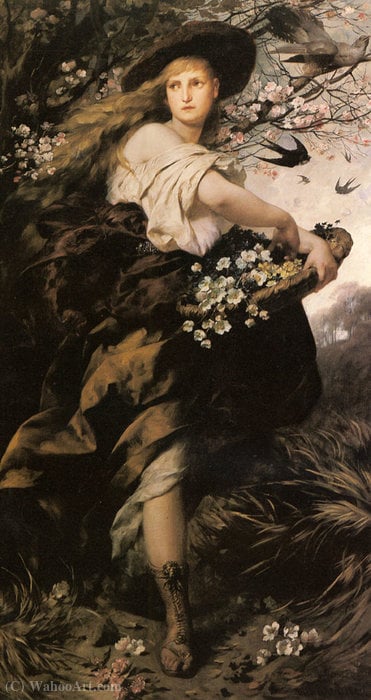
Flora

Explore the genre & history paintings of Ferdinand Keller (1842-1922), a German artist known for his depictions of bullfighting, landscapes, and royal commissions. Discover his legacy!

Ostke kõrglahutusel ja täiustatud digitaalne pilt, mis on oluliselt parem kui veebilehel näidatud eelvaade.

Iga fail on meie spetsialistide poolt hoolikalt ette valmistatud, kasutades kaasaegseid tööriistu ja professionaalset käsitsi retušeerimist. Tagame, et igal pildil on erakordne selgus, täpne värvitäpsus ja peen detail.

Lõplik fail saadetakse e-posti teel 72 tunni jooksul, olles optimeeritud koheseks kasutamiseks professionaalsetes, toimetuslikes ja trüki keskkondades. See on sama kvaliteet, mida usaldavad tipptasemel disainistuudiod, kirjastused ja galeriid.

Digitaalne kunstiteos

Laadi alla kõrge resolutsiooniga fail isiklikuks vaatamiseks, trükkimiseks ja loomingulisteks projektideks.

Lõppsumma

$9.99

Sisse kuulub iga digitaalse pildi tellimusega

Eksperdi digitaalne kohaletoimetamine, garanteeritud

Valides WahooArt.com, ei saa sa lihtsalt pilti – saad professionaalselt parandatud digitaalse teose, mida on valmistatud täpsusega ja mis on toetatud rahuldamatusgarantiiga. Siin on kõik, mis sinu tellimusega automaatselt kaasneb:

shipping_icon
Kiire digitaalne saatmine

Teie kõrge resolutsiooniga digitaalne pildifail saadetakse teile e-posti 72 tunni jooksul pärast tellimist – kohe kasutamiseks valmis.

canvas_icon
Tehisintellektiga täiustatud digitaalne fail

Teie teos on professionaalselt optimeeritud arenenud tehisintellekti tööriistade ja käsitsi redigeerimise abil, tagades maksimaalse detailitaseme, selguse ja värvitäpsuse.

insurance_icon
Tasuta eluaegne uuesti saatmine

Kas kustutasid faili kogukalu unustamisel või kustutamisel? Puudub mure – saad selle uuesti igal ajal ilma lisatasuta.

tax_icon
Puuduvad importimaksed – alati

Nautige oma teoseid koheselt ilma tolli-, maksude või tarnimaskuludeta – digiletchargused on alati maksuvabadud.

color_icon
Värvitäpsuse garantii

Me tagame, et teie digitaalne pilt kajastaks originaali värve professionaalsete tööriistade ja värvihalduse abil võimalikult täpselt.

return_icon
60-päevane rahulolu garantii

Kui te ei ole oma digipildiga rahul, parandame seda või tagastame 100% summast 60 päeva jooksul – küsimusi ei esita.

guarantee_icon
100% raha tagastamise garantii

Ei ole rahul? Saate täielise tagastaja 60 päeva jooksul pärast digitaalse faili kättesaamist – küsimata.

discount_icon
Suurema tellimuse soodustused

Osta 3 pilti, säästa 10% - Osta 5, säästa 15% - Osta 10+, säästa 20%. Sobib suurepäraselt loomingulisteks projektideks, galeriideks ja agentuurideks.


Kunstniku biograafia

Ferdinand Keller (1842–1922): A Pioneer of Romantic Symbolism

Ferdinand Keller (August 5, 1842 – July 8, 1922) stands as a pivotal figure in German Romantic painting, recognized primarily for his masterful depictions of bullfighting and landscapes imbued with profound symbolic resonance. Born in Karlsruhe to the family of a civil engineer, Keller’s artistic journey began amidst the intellectual fervor of his time—a period marked by burgeoning interest in psychology and philosophical explorations into the human condition. His formative years were shaped by witnessing his father's involvement in ambitious infrastructural projects across Brazil, fostering an early appreciation for observation and meticulous detail. Keller’s formal training commenced at the Karlsruhe Academy of Fine Arts under Johann Wilhelm Schirmer, a celebrated educator who championed classical ideals and instilled in Keller a dedication to artistic rigor. Schirmer’s influence extended beyond technique; he encouraged Keller to contemplate the broader implications of art as a vehicle for conveying emotion and intellectual insight—a cornerstone of Romantic philosophy. Following Schirmer's untimely demise, Keller honed his skills with Ludwig des Coudres, whose teachings further refined Keller’s stylistic sensibilities. Dissatisfaction with the Academy’s conservative approach propelled him toward independent study, prioritizing private instruction in the studio of Hans Canon, a sculptor known for his expressive realism. These formative experiences fueled Keller's artistic explorations, encompassing extensive travel to Switzerland and France between 1866 and 1867—locations that served as sources of inspiration for his landscapes and imbued them with the spirit of Romantic idealism. He achieved considerable acclaim early in his career with “The Death of Philip II,” presented at the International Exposition of Paris in 1867, demonstrating his ability to capture dramatic emotion and psychological complexity within a monumental canvas. From 1867 to 1869, Keller resided in Rome, engaging intellectually with Anselm Feuerbach—a fellow artist and philosopher whose ideas profoundly impacted Keller’s artistic worldview. This collaboration fostered a shared commitment to exploring the relationship between art and spirituality, shaping Keller's distinctive aesthetic vision. Keller’s directorial tenure at Karlsruhe Academy (1870–1913) solidified his position as a leading figure in German art education—a role he embraced with unwavering dedication. Beyond his responsibilities as instructor and director, he undertook significant commissions for theatrical productions, notably decorating the King Carl Hall at the Landesmuseum Württemberg, where his opulent murals showcased his mastery of color and composition. Recognizing Keller’s artistic merit and contribution to cultural heritage, Frederick I, Grand Duke of Baden, bestowed upon him the title of nobility—a testament to his enduring legacy as a visionary artist and humanist. Perhaps most notably, he undertook the monumental task of painting “The History of Baden,” now housed at the Staatliche Kunsthalle Baden-Baden—a project that exemplifies Keller’s ambition to engage with grand narratives and convey profound emotional truths through visual art. Keller's artistic output extended beyond monumental murals; his etchings served as illustrations for numerous literary works, demonstrating his versatility as an artist and furthering his engagement with intellectual discourse. His landscapes, characterized by atmospheric perspective and evocative tonal harmonies, capture the sublime beauty of Alpine vistas—reflecting the Romantic preoccupation with confronting the grandeur of nature and contemplating its spiritual significance. Keller’s paintings are distinguished by their meticulous attention to detail, combined with a masterful command of color and light—elements that contribute to their expressive power and enduring appeal. His artistic legacy continues to inspire artists today, cementing his place as one of Germany's most influential Romantic painters.
ferdinand keller

ferdinand keller

1842 - 1922

Lühikesed faktid

  • Artistic Movement Or Style: Romanticism
  • Artists Or Movements Influenced By This Artist: ['Arnold Bocklin']
  • Artists Who Influenced This Artist:
    • Hans Canon
    • Ludwig Richter
  • Date Of Birth: August 5, 1842
  • Date Of Death: July 8, 1922
  • Full Name: Ferdinand Keller
  • Nationality: German
  • Notable Artworks:
    • The Death of Philip II
    • Türkenlouis
  • Place Of Birth: Karlsruhe, Germany