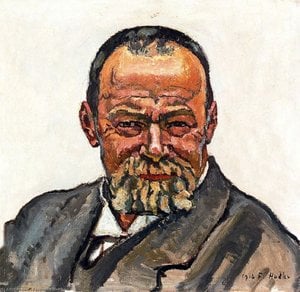
Johannes Hodler: Šveitsi Sümbolismi Hing, Maastike ja Parallelism Jõud
Johannes (Ferdinand) Hodler, kelle nimi on siiani tihedalt seotud Šveitsi maalikunstiga ning sümbolistliku väljendusrikka keelega, tõusis tagasihästi algusest saades üheks olulisimaks kunstnikuks 19. sajandi lõpus ja 20. sajandi alguses. Bernis, Šveitsis sündinud 1853. aastal kujundasid tema elu varased kaotused – teema, mis oleks läbi imbunud kogu tema loomingust. Isa ja kahe noorema venna enneaegsed surmad enne täisealisusega jõudmist heitsid pikka varju, süvendades temas mõtlemist surematusse ja olemasolu olemuslikku ajutist. Need kogemused, põimitud loomupärase maailma ilu ja väe vastu tuntava terava tundlikkusega, said tema areneva loomingulise visiooni keskuseks. Esialgu dekoratiivsete maalrite õpilasena ületas Hodleri sündinud talent peaagu kohe pelgalt käsitöömeistri taseme; ta ihaldas ametliku haridust ja kunstilist avardumist, mis oleks vaba ärialase töö piirangutest. See ambitsioon viis ta 1871. aastal Genfi, kus ta kastis end õpingutesse, osaledes teaduskursustel ning samal ajal hoolikalt koopiate valmistamist linna muuseumi meistriteostest – range haridus, mis pani aluse tema tulevastele innovatsioonidele.
Realismist Parallelismi Poole: Unikaalse Visiooni Loomine
Hodleri kunstiline tee oli iseloomustatud pideva arenemisega ja väljendusrikka jõu järjnevusega. Tema varajased tööd peegeldasid tolleaegset valitsevat realistlikku stiili – portreed, maastikud ja žanrtsenid, mida teostati täpse detailiga. Siiski leidis ta peaagu kohe, et need konventsioonid piiravad teda, otsides vahendit sügavamate emotsionaalsete tõdede ja filosoofiliste ideede edastamiseks. See püüdlus viis ta sümbolismi poole, liikumise, mis hülgas naturalistliku esinduse subjektiivse kogemuse ja ereda kujundluse kasuks. Kuid Hodler ei võtnud sümbolismist lihtsalt üle selle põhimõtteid; pigem rajas ta oma unikaalse tee, arendades seda, mida ta nimetas „parallelismiks“. See eriline stiil hõlmas tegelaste ja vormide rütmilist, peaaegu geomeetrilist paigutust, luues nii harmoonia kui ka pinge tunde – visuaalne esitus ühtekuuluvusest. See oli katse kujutada mitte ainult seda, mida ta nägi, vaid pigem seda, kuidas ta tundis – aluseks olevaid emotsionaalseid voolu, mis ühendas kõiki asju. 1890. aastal valminud *Öö* osutus pöördeliseks teoseks, märkides tema kindlat sümbolistliku kujundluse poole suunda ja põhjustades oma surma- ja rahuandvatele tegelastele vihjavate kujutustega silmapaistvat poleemikat. Vaatamata algsele kriitikale võttis maal Pariisis tähelepanu, kinnistades Hodleri mainet Šveitsi piiride taga ning signaleerides tõelise originaali hääle saabumist.
Maalilised Saavutused: Peamised Tööd ja Nende Tähendus
Kogu oma vilja saastamise ajal lõi Hodler märkimisväärse hulga töid, mis jätkuvad tänapäevani publiku jaoks resonantsiga. *Päev*, valminud 1893. aastal, seisab tema ambitsioonikaimana ja tähistatuna saavutusena – monumentaalne ajaloomalus, mis näitab tema kompositsiooni ja sümbolismi valdajust. Kunsthaus Zürichis asuv see teos on võimas meditatsioon elule, surmaga ja uuenemisega, esitatud realistliku ja visionäärse intensiivsuse vapustava seguga. *Päeva* tohutu suurus ja emotsionaalne kaal kinnistasid Hodleri positsiooni Euroopa kunsti liidrina. Teised tähelepanuväärsed tööd hõlmavad mitmeid Šveitsi Alpide kujutusi, mis on läbi imbunud imetlusväärsest suurejoonilisusest ning portreede, mis avaldavad tema sügavat inimpsühholoogia mõistmist. Ta pöördus sageli tagasi kaotuse ja leina teemadele, võib-olla peegeldades omaenda lapsepõlve traagikat, kuid alati täis väärikust ja vastupanuvõimet. Tema maalijad ei olnud pelgud esindused; need olid emotsionaalsed maastikud, kutsetes vaatajatele mõelda eksistentsi põhialastele küsimustele. Teosed nagu *Tõde II* (1897) näitavad Hodleri võimet ühendada klassikalisi vorme kaasaegsete tundlikkusega, luues pilte, mis on nii ajatu kui ka silmapilksuga kaasajased – tõestus tema innovatiivsusest.
Püsiv Pärand: Mõjutus ja Histrooliline Kontekst
Ferdinand Hodleri mõju ulatub Šveitsi piiride taga palju kaugemale. Tema innovaatilisest sümbolismi kasutamisest ja „parallelism“ arendamisest tulenev mõjutus rajas tee ekspressionismile, millel on rõhutatud subjektiivsetele emotsioonidele ja moondusele vormidele. Järgnenud kunstnikud tunnustasid teda eelkäijana nende sisemise kogemuse uurimisel. Hodleri töö kõlas ka hilisemate 19. sajandi ja varaste 20. sajandi laiemate kultuurivoolude hulgas – perioodil, mida iseloomustas kiire sotsiaalne muutus, teaduslikud edusammud ja kasvav eksistentsiaalne ärevus. Tema maalijad pakkusid visuaalset keelt nende keeruliste probleemidega toimetulekuks, pakkudes lohutus ja arusaamist üha ebakindlamas maailmas. Tänapäeval on Hodleri töid säilitatud suuremates muuseumides kogu Euroopas ja mujal, tagades tema kunstilise visiooni jätkuva inspiratsiooni ja väljakutset põlvedele vaatajaid. Ta jääb Šveitsi kunsti ajaloo hiiglane, tähistatuna mitte ainult oma tehniliste oskuste poolest, vaid ka tema sügava emotsionaalse sügavuse ja vankumatu pühendumusega inimolukorra müsteeriumide uurimisele.
Hodleri Uurimine Edasi



 Eelvaade
 Lülita trükkitoodetele
 Saada
Saada Jaga
Jaga
 Teave teose kohta
 Juhend

 Laadi alla
 Sarnased teosed
 Röntgenuuring
 Slaidietendus
 Q&A
Q&A Statistika


 Loe lähemalt






































 Klaasivalik on saadaval ainult kuni 110 cm suuruses teostes