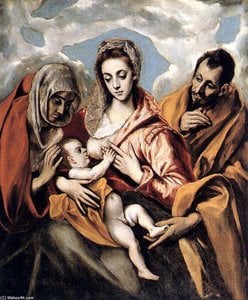
El Greco: Valgus ja Varjude Meistri Elu
Doménikos Theotokópoulos, kellele maailm teab nime El Greco – “kreeklane” –, oli maalija, keda on raske paika seada mingisse kindlasse kunstivoolu. Sündinud 1541. aastal Kreetal, mis kuulus tol ajal Veneetsia Vabariigi alla, viisid tema kunstnikuteekäigu läbi Veneetsia ja Rooma, enne kui ta leidis oma lõpliku väljenduse Hispaania vaimulises südamas: Toledos. El Greco ei olnud pelgalt nende paikade toode; ta sünteesis nende mõjud midagi täiesti ainulaadset – stiili, mis eelnenud sajandeid hiljem Ekspressionismi emotsionaalset intensiivsust ja Kubismi fragmenteeritud vorme. Tema varajane õpe Bütsantsi traditsioonis sisseistutas temas tähelepanelikkust detailide suhtes ning sügavat arusaamist religioossete ikonograafiate kohta. See vundament ei piiranud teda aga kinni. Ta kirjutas oma töid kreeka keeles, lisades sageli uhkuse avaldusena “Krḗs” – Kreetlane –, isegi kui ta seiklusi uutes kunstivaldkondadesse astus. Tema eripärase stiili seemned külvati mitte ainult tehnikas, vaid ka tema kodumaa vaimulikus kliimas ja Veneetsia kunsti rikkalikumas kangast.
Veneetsiast Toledosse: Muundumine
Kolimine Veneetsiasse umbes 1567. aastal tähistas olulist hetke. Elu särava kunstielus küttevõõmises õppis ta meistreid – Titianit, Tintoretto ja Veroneset –, omandades nende värvide, kompositsiooni ja dramaatilise valgustuse valduses. Ta õppis lõdvestama oma pintslilööke, võtma vastu õli värvi sensuaalsust ning kujutama tegelasi uue dünaamikaga. Veneetsia mõju on nähtav varajastes töödes nagu *Püha Sebastiani* (1600) maal, kus anatoomiline detail sulandub peaaegu teatriliku valguse ja varjuga. Hilisem peatükis Rooma tutvustas teda mannerismile, stiilile, mida iseloomustavad pikendatud vormid, moonduvad perspektiivid ja keerulised kompositsioonid. Kuigi ta demonstreeris märkimisväärset talenti, oli El Grecol raske leida laiemat tunnustust Rooma konkurentsivõimelisel kunstimaailmas. Just 1577. aastal Toledosse kolimine võimaldas lõpuks tema ainulaadsel visioonil õitseda. Linn, tol ajal Katoliiku Vastureformatsiooni keskpunkt, pakkus nii patroneerimist kui ka atmosfääri, mis soosis tema intensiivselt vaimulikke maalijaid.
Ainulaadne Stiil
El Greco kunstistiili on koheselt äratuntav – ja täiesti võludev. Tema tegelased on sageli dramaatiliselt pikendatud, nende kehad venitatud ja moonutatud poosides, mis edastavad vaimulise ekstaasi või sügava kurbuse tunde. See ei ole pelgalt stilistlik ilme; see on katse kujutada nähtamatut, emotsionaalset ja vaimulikku reaalsust, mis asub asjade pinna all. Ta kasutas meisterlikult värve – mitte tingimata realistlikke värve, vaid elavaid, sageli ebatavalisi toone –, et suurendada tema tööde emotsionaalset mõju. Dramaatiline valgustus, millega kontrastne on valguse ja varjuga, loob teatrilise efekti, tõmmates vaataja südamesse stseeni. *Hardi Loetmise matmine* (1586–1588), mida peetakse tema meistriteoseks, kehastab neid kvaliteete täiuslikult. Maal kujutab imelist sündmust – pühakute laskumist õilsa aadlimehe matmiseks – märkimisväärse realismiga kaasaegsete tegelaste kujutamisel, mis on asetatud jumaliku sekkumise esindavate eeterlike, pikendatud vormide kõrvale. Ta segas Bütsantsi traditsioone Itaalia renessansi tehnikatega, luues stiili, mis oli nii innovaatiline kui ka sügavalt isiklik. Tema hilisemad tööd said üha müstilisemaks, kajastades tema enda sügavaid religioosseid veendumusi ja kasvavat distantsi konventsionaalsetest kunstilistest normidest.
Pärand ja Uuestiavastamine
Vaatamata sellele, et ta saavutas oma elus märkimisväärset edu – pälvis olulisi tellimusi kirikute ja kloostrite Toledos –, jäi El Greco töö pärast tema surma 1614. aastal suhtelisse unustusse. Sajanditeks peeti teda kunstiajaloolaste poolt suuresti eiranuna, hülgatuna eksentsena või provintiaalset kunstnikuna. Alles 20. sajandi alguses hakati tema genii täielikult hindama. Sellised kunstnikud nagu Picasso ja Braque tunnistasid temas kaasaegse kunsti eelkäija, imetledes tema moonduvaid vorme ja ebatraditsioonilisi perspektiive. Tema väljendav stiil kõnetas ekspressioniste, kes püüdsid edastada emotsionaalset intensiivsust julgete värvide ja dramaatiliste kompositsioonidega. Tänapäeval tähistatakse El Grecost üht olulisimat tegelasi lääne kunstiajaloo seas – visionäärset maalijat, kelle töö jätkab publiku lummatamist selle vaimuliku sügavusega, emotsionaalse jõuga ja ainulaadse kunstilise visiooniga. Tema maalid ei ole pelgalt kujutusi religioossetest stseenidest; need on aknad hinge poole, tunnistused usu igikestvaist võimsatest ja tähistamised inimese vaimu võimekustst transsendentsuse suhtes.
Tähtsamad Tööd
- Hardi Loetmise matmine (1586–1588): Tema kahtlemata meistriteos, monumentaalne teos, mis ühendab realism ja vaimuliku intensiivsuse.
- Toledo vaade (1596–1600): Dramaatiline maastik, mis kujutab linna keerlevas, atmosfäärilises stiilis ning haarab selle olemust peaaegu visionääriks kvaliteediga.
- Viies pitse avamine (1608–1614): Sarja osa, mis on inspireeritud Ilmutuse raamatust, see maal kehastab El Greco apokaliptilist visiooni ja tema dramaatilise kompositsiooni valduses.
- Püha Sebastiani (1600): Võimas kujutus pühakust, segades anatoomilisi detaile teatriliku valgustuse ja emotsionaalse intensiivsusega.
- El Espolio (Kristuse riietusmine) (1577–1579): Varajane teos, mis näitab tema Veneetsia mõju ja dramaatilist värvide ja valguse kasutust.



 Eelvaade
 Osta käsitsi maalatud teos
 Saada
Saada Jaga
Jaga
 Teave teose kohta
 Juhend

 Laadi alla
 Sarnased teosed
 Röntgenuuring
 Slaidietendus
 Q&A
Q&A Statistika
 Loe lähemalt






































 Klaasivalik on saadaval ainult kuni 110 cm suuruses teostes