Sienese visjonär: Domenico Beccafumi elu ja kunst
Domenico di Pace Beccafumi on nimi, mis ei kõla nii koheselt kui tema florentinialased kaasajad, kuid ta hoiab siiski keskset positsiooni Itaalia renessanssi kunsti narratiivis. Sündinud umbes 1486. aastal väikeses Toskaana linnakest Montapertos, lähedal Sienale, oli Beccafumi kunstiline teekond märkimusliku arenguga, mis culminas stiilis, mis ühendas kõrgenessanssi ja manierismi kasvava keerukuse. Tema lugu ei ole pelgalt tehnilise oskuse kohta; see on sügavalt individuaalne visjon – tundlikkus, mis on juurdunud oma Sienai pärandi traditsioonides, kuid ulatub samal ajal julgelt uute ekspressiivsete võimaluste poole. Tema päritolu oli lihtne: talupoeg Giacomo di Pace poeg, kelle talent tunnustati Lorenzo Beccafumi poolt, kes võttis ta lapsena omaks ja pakkus talle esmast kunstilist haridust kohaliku Sienai kunstniku Mechero juures. See varajane põhimõttlik alus Sienai koolkonnas tõuus välja fundamentaalseteks, isegi kui ta hakkas liikuma kaugemale selle kehtivatest konventsioonidest. Sienai traditsioon, mis juba siis erines Itaalia teistes osades omastatud klassikalistest ideaalidest, koostas keskkonna, kus väärtustati emotsionaalset intensiivsust ja dekoratiivset detailid – omadusi, mis said Beccafumi unikaalse stiili kaubamärkideks.
Rooma reis ja unikaalse stiili loomine
Umbes 1509. aastal tegi Beccafumi reisi Rooma, mis oli transformatiivne hetk, avades talle paaviliinna kunstilise karge maailma. Ta kohtas Rafaeli ja Michelangeloga murdilisi teoseid, imeldes nende uuendusi kompositsioonis, anatomias ja draamatilises väljenduses. Kuid erinevalt paljudest kunstnikest, kes püüdisid neid meistreid otse jälgi jälgi, sünteetise Beccafumi need mõjud läbi oma eristuvast vaatenurgast. Ta ei *kopeerinud* Rooma stiili lihtsalt; ta filtreeris seda olemasoleva Sienai esteetika kaudu – stiili, mida iseloomustas teatud provintsialism, rõhuasetus dekoratiivsetele detailidele ja jääv keskajaline tundlikkus. Pärast Sienasse naasmist hakkas see süntees avalduma üha enam tema omase stiilina. See oli stiil, mida iseloomustas irratsionaalsus, emotsionaalne intensiivsus ja lummav visuaalne kogemus, mis saavutati dissonantsete värvide ja hallusinatorilise keskkonna kaudu. Tema maalid ei olnud pelgalt reaalsuse esitused; need olid siseoleku uuringud, täidetud ebamugavuse tunne ja psühholoogilise sügavusega. See kõrvalekaldumine kõrgenessansi harmoonilisest tasakaalus märgis tema omaks võtmist manierismis, kuigi ta jäi selgelt eraldi selle laiematest suundumustest.
Masterteosed ja kunstilised uuendused
Beccafule kunstiline tegevus oli mitmekülgne, hõlmates maalidust, skulptuuri, mosaiikdisaini ja grafikat. Tema kõige tunnustatumate saavutuste seas on freskod Sienas asuvas Püha Benedictuse oratooriumis, mis on tunnistus tema narratiivsest oskusest ja ekspressiivsest jõust.
Kolminäilsuse triptüük, mis asub Sienai nn rahvusmuuseumis (Pinacoteca Nazionale), näitab tema õlipeigistamise meisterlikkust ja võimet edastada religioosset pühendumust nii suurejoonaliselt kui ka intiimselt.
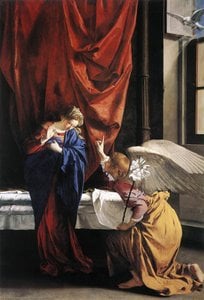
Annunciatio ehk Ülesütlemine, samuti rahvusmuuseumis, illustreerib tema eripärast värvide ja kompositsiooni kasutamist, luues stseen, mis on korvpalllikult rahulik, kuid samas peitlt häiritsev. Kuid ehk kõige ambicioossem projekt oli tema juhtimine Siena katedraali põrandamosa loomisel aastatel 1517–1544. See monumentaalne projekt hõlmas keerukaid marmorist ja mosaiikidest kooslust, mis kujutasid bibliaalseid stseene – seas hulga Ahab, Elia, Melkisedek, Avraham ja Mooses. Beccafumi ei disaininud neid stseene mitte ainult, vaid uuendas ka nende loomisel kasutatud tehnilisi protsesse, demonstreerides oma hämmastavat mitmekülgsust nii kunstnikuna kui ka käsitöömeistrina. Tema oskus ulatus ka grafika valdkonda, kus ta saavutas edu nii graafikas kui ka puukslausest, laiendades seeläbi oma kunstilist ulatust. Need printid võimaldasid tema stiili ja ideade laiemat levikut, mõjutades kunstnikke Sienai piiridest kaugemale.
Pärand: Sienai koolkonna viimane suurmees
Domenico Beccafumi surmas 1551. aastal Sienas märgis sümboliliselt lõppu linna pika ja auastatud maalikunstile. Teda peetakse õiglasta Sienai koolkonna viimaseks oluliseks esindajaks, kes säilitas selle unikaalse esteetilised omadused, samas kui ta etteantud manierismi arenguid. Tema töö eristub kõrgenessansi harmoonilistest kompositsioonidest, omades asemel emotsionaalset pinge, ebastabiilsuse ja ekspressiivse moonutuse tunnet. See soov väljakutsuda konventsionaalseid norme ennustas hilisemaid suundumusi kunstis, mõjutades järgmisi põlvkondi oma uuendusmeelsete tehnikate ja psühholoogilise sügavusega. Beccafumi pärand ei ole pelgalt maali kunstniku, vaid visjonäri, kes julges uurida kunstilise väljenduse piire, jättides järele teoseid, mis panevad vaatajad ka täna lummama ja intrigeerima. Ta jääb kütkestavaks kujuks, tõestuseks üksiku visiooni püsivast jõust kunstia history laiemates voogudes.
- Beccafumi stiili peamised omadused:
- Udujas, mitte-lineaarne olemus: tema maalid omavad sageli eeterilist kvaliteeti, kus vormid näivad häguses atmosfääris lahjunud.
- Teravad jooned ja primaalne värvikasus: Beccafumi eelistas teravaid, nurkasid sisaldavaid jooni ja julget, konventsioonivastast värvide kasutamist, mis erines tema kaasajate tasakaalustatumast paletist.
- Emotsionaalne pinge ja ebastabiilsus: tema tööd iseloomustab igavene ebamugavuse tunne ja psühholoogiline keerukus, peegeldades kõrvalekaldet klassikalistest harmoonia ja proportsiooni ideaalidest.
- Sienai traditsioon manieristlikud mõjudega: ta ühendas oskuslikult Sienai koolkonna dekoratiivsed elemendid ja emotsionaalne intensiivsus koos manierismi uuenemusega.



 Eelvaade
 Switch to Print
 Saada
Saada Jaga
Jaga
 Teave teose kohta

 Laadi alla
 Sarnased teosed
 Röntgenuuring
 Slaidietendus
 Stats
Stats
 Loe lähemalt