


Muuseumikvaliteediga giclée- või kangasprint kiire tootmisega ja paindlikud viimistlusvõimalused. ( Osta käsitsi maalatud teos Lülita digitaalse pildi juurde)





























Vali meie eelmääratud suurused, mis vastavad teose algupärastele proportsioonidele.

Sisestage vajalik laius ja kõrgus, et see sobiks teie raamile või seinale. Trükki saab ainult lõigata, seda ei saa kunagi pildist suuremaks teha, seega ka erineva mustega suurus kaotab osa pildist. Enne trükkimist saadame teile kinnitamiseks digitaalse näidisprojektsiooni. Sellel lehel näidatud pilt ei kujuta reaalset lõiget — seda näitab ainult näidisprojektsioon.
Ülemaailmne tarne () 2 nädala jooksul, tavalise 4/5 nädala asemel. (8 november)
Angels Pity
Reproduktsiooni suurus
In the quiet, hallowed atmosphere of the Early Renaissance, few works capture the intersection of human sorrow and divine grace as poignantly as Carlo Crivelli’s "Angels Pity." Painted in 1470, this masterpiece serves as a profound meditation on tenderness and spiritual devotion. The scene unfolds with an intimate warmth, presenting Jesus cradling two children within his arms—a gesture that transcends mere historical depiction to become a universal symbol of protection and innocence. Surrounded by a celestial assembly of angels and watchful figures, the composition draws the viewer into a sacred circle of empathy. Even the subtle presence of a solitary bird in the upper corner acts as a silent witness, lending an air of tranquility to a moment heavy with emotional significance.
The artistry of Crivelli is on full display through his masterful command of color and light. Utilizing soft, luminous hues and delicate brushstrokes, the artist creates a sense of palpable intimacy that makes the divine feel reachable. The painting is a triumph of the Early Renaissance style, where every detail is rendered with an almost obsessive realism. Crivelli’s technique involves the meticulous application of oil glazes on wood panel, building layers of color to achieve a radiant depth. This method allows light to appear as if it is emanating from within the figures themselves, highlighting the soft textures of skin and the intricate folds of drapery, thereby inviting the observer to linger on the subtle nuances of the composition.
Beyond its visual splendor, "Angels Pity" is a rich tapestry of Christian iconography designed to provoke deep reflection. The arrangement of the figures within an arched niche creates a sense of sacred enclosure, separating the holy event from the mundane world. Every element serves a symbolic purpose: the tender way Jesus holds the children reflects the theological concept of divine mercy, while the surrounding angels represent the bridge between heaven and earth. Crivelli’s use of trompe l'oeil—a technique intended to trick the eye into perceiving three-dimensional reality—adds a layer of tactile presence to the work, making the spiritual themes feel grounded in a tangible, physical reality.
For the discerning collector or interior designer, this painting offers more than mere decoration; it provides an emotional anchor for any space. The somber yet serene mood makes it an ideal centerpiece for rooms dedicated to contemplation, study, or quiet luxury. Whether one is drawn to its historical significance as a product of the Venetian-influenced March of Ancona or moved by its profound expression of compassion, "Angels Pity" remains a timeless testament to the power of art to evoke the sublime. Owning a high-quality reproduction of this work allows for the preservation of this Renaissance spirit, bringing a sense of historical weight and aesthetic harmony into the modern home.
Teost „Angels Pity“, autor Carlo Crivelli saab omaenda seinal eelvaatata teose AR-eelvaade teose kohta lehe abil, kasutades ühendataval seadmel täiendatud reaalсust.
Teosed, mis sarnanevad teosega "Angels Pity", on loetletud selle teose Sarnased teosed lehel.
Teos „Angels Pity“, autor Carlo Crivelli pärineb Renaissance ajast. See ajastu annab teosele ajaloolise konteksti.

Itaalia renessansimaalija Carlo Crivelli sündis Venetsias umbes aastatel 1430–1435. Ta pärines maalijate perest ning sai oma kunstilise hariduse nii Venetsias kui ka Paduas. Arvatakse, et Crivelli esialgne õpetaja oli Jacobello del Fiore, kes tegutses veelgi 1436. Lisaks sellele õppis ta Venetsias Vivarinite koolkonnas.
Crivelli veetis oma noernes aastades Veneto piirkonda, imeldes mõju Vivarinilt, Squarcionelt ja MantegnaLT. 1458. aastaks lahkus ta Veneto piirkonnast ning veetis suure osa oma karjäärist Anconas, arendades välja eripärase isikupärase stiili, mis erineb märgatavalt tema venetsialase kaasaegase Giovanni Bellini loomingust. Crivelli tööde iseloomuliseks tunnusomust on konservatiivne hilispgootiline dekoratiivsus, mida iseloomustavad lineaalsus, suurepärane täpsus detailides ning silmapaistav "trompe l'oeil" tehnika kasutamine.
* Carlo Crivelli maali "Madonna ja laps troonil" (106 x 55 cm, Budapesti Fine Arts muuseum, Ungari) on tema stiili suurepärane näide. * Ta tegi koostööd oma noema noema venn Vittorio Crivelliga mitmel projektil. * Tema õpilaseks ja koostööliseks sai Pietro Alemanno, maalija, kes emigreeris Saksamaalt või Austriast Ancona piirkonda.
* Milanos asuvas Pinacoteca di Brera muuseumis on näitaval Crivelli mitmed teosed, sealhulgas "Pietà" (128 x 241 cm). * Venetsias asuvas San Giovanni in Bragora muuseumis on kogutud kunstiteoseid erinevatest ajastu ja stiilidest, sealhulgas mõned teosed, mida atribuutseeritakse Crivellile.
Crivelli pärand inspireerib jätkuvalt nii kunstihuvilisi kui ka teadureid, ning tema töö on tõend püsivale jõule, mida peitub konservatiivses hilispgootilises dekoratiivses tundlikuses.

1435 - 1495 , Italia

Discover the enduring legacy of oil on board painting. Explore how historical techniques, rich impasto textures, and structural durability create timeless masterpieces that bridge Renaissance grandeur with modern art collecting excellence.

Discover the profound allure of oil on canvas. Explore the mastery of impasto textures, the science of pigment longevity, and expert guides to selecting museum-quality reproductions that elevate your collection with timeless elegance and tactile depth.

Discover the enduring allure of oil on canvas. Explore how master techniques like impasto and glazing create the depth, texture, and emotional resonance found in the world's greatest masterpieces. An essential guide for fine art enthusiasts and discerning collectors.

Discover the enduring allure of hand-painted oil reproductions. WahooArt offers museum-quality, archival masterpieces designed for discerning collectors seeking timeless beauty and a lasting legacy. Invest in fine art that transcends generations with our expert craftsmanship.
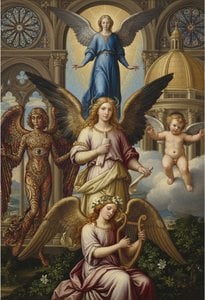
Explore the profound beauty of angelic figures in art history. From Renaissance masterpieces to celestial symbolism, our expert guide offers a sophisticated journey through the divine imagery of the Old Masters for discerning collectors and art enthusiasts.
 Eelvaade
 Saada
Saada Jaga
Jaga
 Teave teose kohta
 Juhend

 Laadi alla
 Sarnased teosed
 Röntgenuuring
 Slaidietendus
 KÜSIMUSED JA VASTUSID
 Statistika

 Loe lähemalt









 Klaasivalik on saadaval ainult kuni 110 cm suuruses teostes


