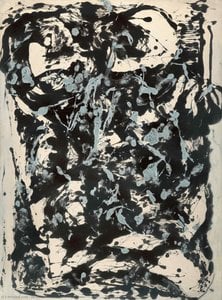
A Brush with the Land: The Art of Carlene West
Carlene West is a contemporary Australian Indigenous artist whose work resonates deeply with the spirit of the land and the traditions of her people. While biographical details remain somewhat private, focusing instead on the power of her art itself, West’s paintings offer a compelling narrative of connection to country, cultural heritage, and a unique artistic vision. Her canvases are not merely depictions of landscapes; they are embodiments of ancestral stories, imbued with layers of meaning communicated through subtle color palettes, dynamic compositions, and distinctive dot printing techniques.
Early Influences and Artistic Development
West’s art is firmly rooted in the Australian Indigenous experience, drawing inspiration from the ancient practices of storytelling and land management that have been passed down through generations. Though specific details about her early artistic training are limited, it's clear that she has a profound understanding of traditional symbolism and techniques. Her work doesn’t replicate conventional “dot painting” styles; instead, she employs dot printing as one element within a broader expressive vocabulary. The brushed white forms that characterize many of her pieces suggest the ephemeral nature of clouds, mist, or perhaps even ancestral spirits moving across the landscape. This blending of traditional knowledge with contemporary artistic approaches is central to West’s distinctive style. She doesn't simply *represent* the land; she evokes its feeling, its history, and its spiritual presence.
Themes and Symbolism in Her Work
- Connection to Country: West’s paintings are deeply connected to specific locations within Australia, often reflecting her personal experiences and ancestral ties to the land. The landscapes she depicts aren't generic; they possess a palpable sense of place.
- Ancestral Stories: While the precise narratives embedded in her work may not always be explicitly stated, it’s evident that West draws upon traditional Dreamtime stories and cultural knowledge to inform her compositions. The patterns and symbols within her paintings act as visual cues, inviting viewers to contemplate deeper meanings.
- The Ephemeral and the Eternal: The use of brushed white forms alongside dot printing creates a fascinating interplay between solidity and transience. This duality suggests the cyclical nature of life, the enduring power of ancestral spirits, and the ever-changing beauty of the natural world.
“Tjitjiti” and Contemporary Indigenous Art
West’s painting “Tjitjiti” exemplifies her unique artistic approach. The work is a captivating exploration of an Australian landscape, rendered in a palette of muted earth tones punctuated by striking white brushstrokes and delicate dotprints. The title itself hints at the importance of place and cultural significance.
“Tjitjiti”, while requiring further contextual research to fully understand its specific meaning within West’s cultural background, suggests a connection to a particular site or story. The painting is not simply a visual representation; it's an invitation to experience the land on a deeper level—to feel its energy, to connect with its history, and to appreciate its spiritual significance. West’s work stands as a powerful example of contemporary Indigenous art that honors tradition while embracing innovation. Her paintings are increasingly recognized for their aesthetic beauty, cultural depth, and profound emotional resonance.
Historical Significance and Future Directions
Carlene West's contribution to the Australian art scene lies in her ability to seamlessly blend traditional knowledge with contemporary artistic practices. She is part of a growing movement of Indigenous artists who are reclaiming their cultural heritage and sharing their stories with a wider audience. Her work challenges conventional notions of landscape painting, offering a unique perspective that is both deeply personal and universally relevant. As West continues to develop her artistic vision, she undoubtedly will play an increasingly important role in shaping the future of contemporary Indigenous art and fostering greater understanding and appreciation for Australia’s rich cultural heritage. Her paintings serve as powerful reminders of the enduring connection between people and the land—a connection that is vital not only for Indigenous communities but for all who seek to understand the world around them.



 Eelvaade
 Lülita trükkitoodetele
 Saada
Saada Jaga
Jaga
 Teave teose kohta

 Laadi alla
 Sarnased teosed
 Röntgenuuring
 Slaidietendus
 Statistika

 Loe lähemalt