Eelvaade AR-eelvaade Osta käsitsi maalatud teos Lülita digitaalse pildi juurde Saada
Teave teose kohta Juhend Lisa lemmikutesse Laadi alla Sarnased teosed Röntgenuuring Slaidietendus Q&A Statistika

untitled (8028)

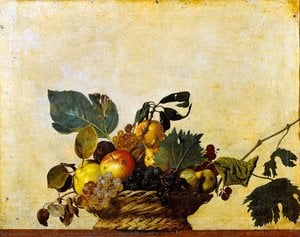
'Untitled (8028)' embodies Caravaggio's Baroque aesthetic, capturing a biblical narrative with profound emotional depth and masterful use of tenebrism. Its detailed depiction of figures and setting underscores Caravaggio’s commitment to realism.

Barokmeistri Caravaggio (1571-1610) vapustav realismi ja chiaroscuroga! Tema dramaatilised usupildid, intensiivne valgusmäng ning revolutsiooniline stiil mõjutas Rubensit ja Rembrandti.

Giclée / Kunstiprint

Muuseumikvaliteediga giclée- või kangasprint kiire tootmisega ja paindlikud viimistlusvõimalused. ( Osta käsitsi maalatud teos Lülita digitaalse pildi juurde)

Corner sample of the P118B picture frame: vormitud polüstüreen, 5 cm wide and 3 cm thick
P118B €10
Corner sample of the P118H picture frame: vormitud polüstüreen, 5 cm wide and 3 cm thick
P118H €10
Corner sample of the P118W picture frame: vormitud polüstüreen, 5 cm wide and 3 cm thick
P118W €10
Corner sample of the P438Z picture frame: vormitud polüstüreen, 5.5 cm wide and 3.5 cm thick
P438Z €10
Corner sample of the P508JH picture frame: vormitud polüstüreen, 7 cm wide and 3.5 cm thick
P508JH €12
Corner sample of the P508YH picture frame: vormitud polüstüreen, 7 cm wide and 3.5 cm thick
P508YH €12
Corner sample of the P805H picture frame: vormitud polüstüreen, 5 cm wide and 3.5 cm thick
P805H €10
Corner sample of the P805Z picture frame: vormitud polüstüreen, 5 cm wide and 3.5 cm thick
P805Z €10
Corner sample of the P919BZ picture frame: vormitud polüstüreen, 7 cm wide and 3.5 cm thick
P919BZ €10
Corner sample of the P919G picture frame: vormitud polüstüreen, 7 cm wide and 3.5 cm thick
P919G €10
Corner sample of the P919XJ picture frame: vormitud polüstüreen, 7 cm wide and 3.5 cm thick
P919XJ €10
Corner sample of the P959ZH picture frame: vormitud polüstüreen, 5 cm wide and 3 cm thick
P959ZH €10
Corner sample of the P968JZ picture frame: vormitud polüstüreen, 6 cm wide and 4 cm thick
P968JZ €12
Corner sample of the W106C picture frame: massivpuit, 5 cm wide and 3 cm thick
W106C €8
Corner sample of the W218G picture frame: massivpuit, 5 cm wide and 3 cm thick
W218G €10
Corner sample of the W218JH picture frame: massivpuit, 5 cm wide and 3 cm thick
W218JH €8
Corner sample of the W218Y picture frame: massivpuit, 5 cm wide and 3 cm thick
W218Y €10
Corner sample of the W307PJ picture frame: massivpuit, 6 cm wide and 3 cm thick
W307PJ €10
Corner sample of the W316G picture frame: massivpuit, 6 cm wide and 3 cm thick
W316G €10
Corner sample of the W316PJ picture frame: massivpuit, 6 cm wide and 3 cm thick
W316PJ €8
Corner sample of the W316Y picture frame: massivpuit, 6 cm wide and 3 cm thick
W316Y €10
Corner sample of the W398PJ picture frame: massivpuit, 5 cm wide and 3 cm thick
W398PJ €8
Corner sample of the W4111J picture frame: massivpuit, 6.5 cm wide and 3.5 cm thick
W4111J €10
Corner sample of the W500HY picture frame: massivpuit, 7 cm wide and 5 cm thick
W500HY €15
Corner sample of the W500JH picture frame: massivpuit, 7 cm wide and 5 cm thick
W500JH €15
Corner sample of the W692G picture frame: massivpuit, 8 cm wide and 4 cm thick
W692G €12
Corner sample of the W849H picture frame: massivpuit, 5 cm wide and 3 cm thick
W849H €8
Corner sample of the W940BG picture frame: massivpuit, 7.5 cm wide and 4.5 cm thick
W940BG €15
Corner sample of the W953PJ picture frame: massivpuit, 6 cm wide and 3.5 cm thick
W953PJ €8

Standardne suurus
kohandatud
CM
INCH

Vali meie eelmääratud suurused, mis vastavad teose algupärastele proportsioonidele.

laius
kõrgus

Sisestage vajalik laius ja kõrgus, et see sobiks teie raamile või seinale. Trükki saab ainult lõigata, seda ei saa kunagi pildist suuremaks teha, seega ka erineva mustega suurus kaotab osa pildist. Enne trükkimist saadame teile kinnitamiseks digitaalse näidisprojektsiooni. Sellel lehel näidatud pilt ei kujuta reaalset lõiget — seda näitab ainult näidisprojektsioon.

Ülemaailmne tarne () 2 nädala jooksul, tavalise 4/5 nädala asemel. (29 oktoober)

Tasuta ekspresssaatmine üle maailma
Kõrgekvaliteediline lina-kangas
Täielik transpordikindlustus
Tollimaksude tagastamise garantii
Värvitoime täpsuse garantii
100 päeva tagastusõigus (ainult valmistusdefektide korral)
100% raha tagasi garantii
Hulgusoodustus

Kogu summa

€ 60

untitled (8028)

Giclée / Kunstiprint

Reproduktsiooni suurus

-

Koguhind

€ 60

Teave teose kohta

  • Notable elements or techniques: Tenebrism, Dramatic realism
  • Movement: Baroque
  • Medium: Oil on canvas
  • Subject or theme: Religious scene

A Vision of Suffering and Divine Grace

Michelangelo Merisi da Caravaggio, a name synonymous with the visceral power of Baroque painting, was born in Milan in 1571, a period defined by both artistic dynamism and profound social anxieties. His formative years were tragically marked by loss; plague swept through his hometown, claiming the lives of his father and grandfather when he was just six years old—experiences that instilled within him an unwavering empathy for human vulnerability and resilience—themes which would become central to his oeuvre. Early training under Simone Peterzano, a former pupil of Titian, provided him with foundational Renaissance skills, yet it was in Rome, arriving around 1592, that Caravaggio truly blossomed, albeit amidst considerable hardship. The city’s vibrant artistic milieu fostered experimentation and challenged established conventions, offering him the space to forge his distinctive style—a style characterized by its uncompromising realism and masterful manipulation of chiaroscuro, or dramatic lighting—that would irrevocably alter the course of art history.
  • Subject Matter: The painting depicts a poignant religious scene centered around a woman cradling her infant son, positioned against a backdrop of shadowy figures engaged in an act of compassion.
  • Style: Caravaggio’s signature tenebrism—the stark contrast between light and dark—dominates the composition, creating an atmosphere of intense drama and psychological depth. This technique elevates the scene beyond mere depiction, immersing the viewer in a realm of heightened emotion.

Technique and Innovation

Caravaggio’s revolutionary approach to painting stemmed from his meticulous observation of human anatomy and his masterful use of pigment—primarily oil paints—applied with impasto, creating textured surfaces that capture the physicality of his subjects. He eschewed idealized representations favored by Renaissance artists, opting instead for unflinching realism, portraying figures with palpable emotion and capturing subtle nuances of expression. This commitment to naturalism was bolstered by Caravaggio’s innovative use of light, which he employed not merely as illumination but as a tool for storytelling—drawing the eye directly to key elements within the composition and conveying profound spiritual significance. The artist's meticulous attention to detail extended beyond mere anatomical accuracy; he painstakingly rendered fabrics, textures, and facial expressions with astonishing precision, achieving an unprecedented level of visual fidelity.
  • Material: Oil paint on canvas
  • Technique: Impasto (thickly applied paint) combined with chiaroscuro lighting

Historical Context and Symbolism

Painted circa 1606-1607, *Untitled (8028)* emerged during Caravaggio’s Roman period—a time of considerable artistic ferment and papal patronage. The painting reflects the Baroque preoccupation with religious fervor and emotional intensity, mirroring the broader cultural landscape of the era. The woman’s posture conveys tenderness and maternal devotion, symbolizing the nurturing role of faith in safeguarding humanity. Simultaneously, the shadowy figures surrounding her represent judgment and divine providence—a reminder that earthly existence is subject to a higher power. The horse, prominently featured in the background, serves as an emblem of strength and nobility, subtly reinforcing the painting’s overarching message of spiritual fortitude. Symbolism: Maternal devotion, Divine Judgment, Spiritual Resilience

Emotional Resonance

Caravaggio's masterpiece transcends mere visual representation; it compels viewers to confront profound questions about compassion, faith, and mortality. The dramatic interplay of light and darkness evokes a visceral response—a feeling of unease mingled with awe—drawing the spectator into the emotional core of the scene. The artist’s ability to convey psychological complexity is remarkable, capturing not only physical appearance but also inner turmoil—a testament to Caravaggio's unparalleled skill in communicating human experience. *Untitled (8028)* remains a powerful reminder that art can illuminate the deepest recesses of the human spirit and inspire contemplation on matters of faith and morality.

Korduvad küsimused

Mis on soovitatav trükkimõõt teosele „untitled (8028)“, autor Caravaggio?

Teose "untitled (8028)" trükkimiseks on soovitatav kasutada suurust Large. Samade proportsioonidega on saadaval ka teisi mõõtmeid.

Kui karge on teose "untitled (8028)" väripalett?

Teose „untitled (8028)“, autor Caravaggio värvitoit on Subtle Color kütkusega.

Kes müüb teose "„untitled (8028)“, autor Caravaggio" käsitsi maaldatud koopiaid?

Teos "untitled (8028)" on saadaval kujundisena käsitsi maalatud õlireproduktsioon linaelapale. Tellimust saab esitada selle Käsitsi maalatud reproduktsioon lehel, kus on võimalik valida erinevad suurused.


Kunstniku elulugu

Varju ja Valguse Kujundatud Elu: Michelangelo Merisi da Caravaggio

Michelangelo Merisi da Caravaggio, kelle nimega on seostatav barokkmaali dramaatiline intensiivsus, sündis 1571. aastal Milanos, ajastus, mis oli täis nii kunstilist õitsemist kui ka ühiskondlikku rahutust. Tema varajane elu oli märgitud kaotuste poolt; katk haaras tema kodulinnat, nõudes kuus aastaselt nii isa kui vanaisa elud. Surelõuna keskel kasvanud noor Michelangelo omandas kiiresti teadliku arusaamise inimeste kannatustest ja vastupanuvõimest – teemad, mis hiljem domineerisid tema lõuaneid. Milano all Simone Peterzano juures toimunud kunstnikukoolitus andis talle renessansitehnika põhialused, kuid juba siis viitas tema loomingus peituva rebelsusvaim, mis peaagu purustaks kehtivaid norme. See õppeperiood pakkus kindla aluse, kuid just Roomas, sinna jõudes umbes 1592. aastal, leidis Caravaggio tõelise hääle, kuigi mitte ilma algseteks võitlusteks ja raskusteta. Linn, kunstimeistrite toetajate ja usulise vaimustuse elav keskus, osutus ambitsioonikale noorele maalijale nii ahvatlevaks kui ka armutu.

Revolutsiooniline Visioon: Tehnika ja Stiil

Caravaggio saabumine Rooma andis itaalia kunsti maastikule seismilise nihke. Ta hülgas valitseva mannerismi stiili – mida iseloomustas kunstlik elegants ja pikendatud vormid – ning eelistades kompromissitu realismi, mis šokeeris ja vaimustas publiku. Tema määravamaks innovatsiooniks oli tema oskusliku chiaroscuro kasutamine, valguse ja varju dramaatiline kontrast, mille ta uuele väljendusrikka tasemele tõstis. Seda tehnikat, mida sageli nimetatakse tenebrismiks, ei olnud pelgalt esteetiline valik; see oli vahend emotsionaalse mõju intensiivistamiseks, vaataja kutsumiseks stsiooni südamesse ja tema kujude andmiseks käegakatsutava olemasoluga. Ta jätsime idealiseeritud kujutised maha ning täitis oma maalijaid tavaliste inimestega – sageli Roomi tänavatelt pärit modellidega – religioossete tegelasteks. See radikaalne lähenemine esitas kahtlusi ilu ja püha suhtes, muutes sakra seostuvaks ja sügavalt inimlikuks. Tema kompositsioonid olid sageli jõulised ja otsekoored, keskendudes intensiivse dramaatilise hetke põhisündmusele, olgu see siis „Kristuse vahiteenistuse“ brutaalne realism või „Püha Franciscuse ekstaasi” vaikne kaalutlus.

Peamised Teosed ja Püsiv Mõjutus

Tema suhteliselt lühikese karjääri jooksul lõi Caravaggio teoste kogumiku, mis jätkab tänapäevani publiku poolel kõikumist. Varased tööd nagu „Rahapealtnaine” (1594) näitavad tema kasvavat andekust realistliku detaili ja psühholoogilise nüansi tabamisel. „Viimane õhtusöök Emmauses” (1601–1602), mis asub Londoni Rahvusgaleriis, kehastab suurepäraselt chiaroscuro valitsemist ja võimet väljendada uskumatu emotsionaalset sügavust piibellikus jutustuses. „David Goliathi peaga” (u 1610) on eriti kummaline, mida tõlgitakse sageli kui eneseportree, mis kajastab Caravaggio enda segaseid sisemisi tundeid. Tema mõju ulatub kaugemale Itaaliast ja inspireeris põlvkonda kunstnikke, keda tuntakse „Caravaggistidena” või „varjujatena”, kes omandasid tema stiili kogu Euroopas. Tähtsad järgijad olid Peter Paul Rubens, Jusepe de Ribera ja Gerrit van Honthorst, igaüks kohandades Caravaggio tehnikaid oma ainulaadse kunstilise visiooni jaoks.

Tormiline Elu ja Püsiv Pärand

Caravaggio elu oli sama dramaatiline ja rahutu kui tema kunst. Volatiilne iseloom ja peksmiste kalduvus viisid teda sageli seadusega konfliktini, mille kulminatsiooniks 1606. aastal mõrvsüüdistus, mis sundis teda Roomast põgenema. Ta veetis järgmised neli aastat rändades Napoli, Malta ja Sitsiilia vahel, maalides samal ajal otsides innukalt paavsti andestust. Vaatamata oma jõupingutustele jäi ta kurjategijaks, kimbutatud oma mineviku poolt ja isiklike konfliktidega. Ta suri 1610. aastal Porto Ercoles, Itaalias, salaperastes asjaoludes – tema surma põhjust on arvatavatel põhjustel veelgi vaieldud, teooriad ulatuvad palavikust mürgitamiseni. Kuigi tema elu lühikeseks jäi, jääb Caravaggio kunstiline pärand tõestuseks tema revolutsioonilisest visioonist ja kompromissitu pühendumisest realismile. Ta esitas oma aja konventsioone väljakutsetes, avas tee kaasaegsema lähenemise maalijale ning jättis kustumatu jälje lääne kunsti ajalukku. Tema teosed jätkavad imetlust ja mõtisklemist äratades, tuletades meile meelde kunsti jõudu valgustada inimkogemuse pimedamaid nurgi.
Caravaggio

Caravaggio

1571 - 1610 , Hispaania

Lühikest infot

  • Artistic Movement Or Style: Barokk, Tenebrism
  • Artists Or Movements Influenced By This Artist:
    • Rubens
    • Ribera
    • Caravaggisti
  • Artists Who Influenced This Artist:
    • Titian
    • Leonardo da Vinci
    • Michelangelo
  • Date Of Birth: 29. september 1571
  • Date Of Death: 18. juuli 1610
  • Full Name: Michelangelo Merisi da Caravaggio
  • Nationality: Itaalia
  • Notable Artworks:
    • Väravade ennustaja
    • Emaus's õhtumaal
    • David ja Goliath
    • Pattu kahetsev Magdaleena
  • Place Of Birth: Milan, Hispaania
Avastage teoseid, mis on koondatud teemade, stiilide ja omaduste kaupa.