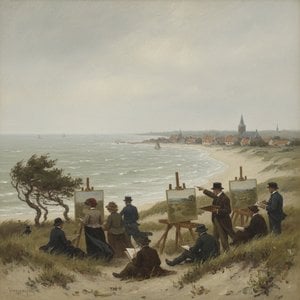
Valgus Valgus: António Xavier Trindade maailm
António Xavier Trindade, nimi, mis kõlab India kunstiloos vaikendava jõuga, oli olnud palju enamat kui pelgalt maalik; ta oli kultuuriline sild. Sündinud 1870. aastal Goas, Sanguemis, katoliklikku peresse, algas tema teekond keskmel lopsaka looduse ja Portugali India keeruka koloniaalsel kanga sel. See kujundav keskkond sõlmis oma kätte tema kunstilise visiooni, luues unikaalse segu Lääne akadeemilisest koolitustest ja sügavast India elu ja iseloomu tundmisest. Trindade varajane silmapaistvus tõi teda Bombaya prestiižsesse Sir Jamsetjee Jeejeebhoy Kunsti Kooli – murdelisse institutsiooni, mis tutvustas talle Euroopa naturalismi, samal ajal kui see toitlustas kasvavat India kunstnike põlvkonda. Just nendes pühendatud saalides teritas ta oma oskusi, saavutades tehnilised meistriastmed, mis hiljem määratasid tema signatuurstiili ja tõid talle tunnustust, nagu Mayo hõbedamedal kunstilise väärtuse eest 1892. aastal – see oli tõend tema kasvava talenti kohta.
Bombay kool ja tõusvane täht
Trindade kättesaamine Bombay kunstimaastikul oli kiire ja kindel. Pärast ametisse nimetamist Sir J.J. Kunsti Kooli joonistamise ja maali õpetajaks 1898. aastal, ei panustanud ta mitte ainult tulevaste põlvkondade haridusse, vaid kinnitas ka oma positsiooni kasvava Bombay kooli juhtfiguresena. Hiljem, täitis 1eks Reay Kunsti Tööakadeemia superintendendi rolli aastatel 1914–1926, mõjutades edasi kunstilist tootmist ja pedagoogikat. Kuid tema edu ei tulnud pelgalt institutsionaalsest tunnustusesest; see lekis tema teoste lummavast olemusest. Kuigi alguses keskendudes traditsioonilisele portreedi- ja maastikukunstile, arendas Trindade järk-järgult stiili, mida isutas realism, valguse tundlikkus ja võime tabada oma teemade psühholoogilist sügavust. Ta become tuntuks India naiste kujutamisest väärikusega ja intiimsustega, mida koloniaalajalase kunsti harvasti nägi, pakkudes pilgu nende elule beyond ühiskondlike ootuste piiridest. See tõi talle armsalt nimetuse „Ida Rembrandt“, tunnustades nii tema tehnilist meistriklassi kui ka sügavat inimlikkuse ja emotsioonide mõistmist.
Teemad ja tehnikad: maailmade sünd
1920nd aastad olid Trindade kunstilise avaldustuse täitumise aeg, mida isutas suurem fookus portreettidele, maastikule ja hübriidsetele vaatestele. Tema linaed muutusid aknaid tema kaaslaste eludesse – rikkate patroonide, pereliikmete ja igapäevaste inimeste maailma –, kus iga detail oli kujundatud hoolikalt ja oli peidetud võimas emotsionaalne resonants. Teos
Dolce Far Niente (Flora või puhkavas ema), mis pälvis 1920. aastal Bombay Art Society kuldmedali, on selle perioodi suurepärane näide; see ei ole pelgalt kujustus puhkavast naisest, vaid emaduse, rahu ja koduse elu vaikse ilu uurimine. Sarnaselt sellele näitavad Gubernatori auhinna saanud
New Year’s Song (1928) ja
Hindu Girl (1930) tema võimet tabada kultuurilisi nüansse ja individuaalseid isikuid suurepäraselt tundlikult. Trindade tehnika oli juurdunud Lääne akadeemilistesse põhimõttele – chiaroscuro meistrlus, täpne joonistustöö ja sofisteeritud värviteoria –, kuid ta infuseeris need elemendid India tundlikkusega, luues unikaalse visuaalse keele, mis ületas stiililised piirid. Ta ei kordanud lihtsalt õpitud asju; ta muutis neid, ülepildistades oma kodumaa vaimu.
Pärand ja igav mõju
Vaatamata isiklikest väljakutsetest, sealhulgas haiguse progresseerumisele ja hilisemle pimedusele, jätkas Trindade maalamist, saades toetuseks oma tüparelt Ângela Trindade, kes oli ise talentne kunstnik ja jätkas oma isa pärandi hoidmist. Tema töö sai veelgi suuremat tunnust 1934. aastal Londoni Wembley Festival of the Empire näitusel, tuues tema kunsti rahvusvaadilisele publikule. Täna on António Xavier Trindade maalid nii muuseumide kui ka erakogujate väärtuslikud omandid, eriti märgatav on nende kogumine Goas asuvas Fundação Orienties. Seal asuvad püsinäitusid – sealhulamas ka tema 150. sünnipäeva tähistav pühendatud näitus 2021. aastal – tagavad, et tema kunstiline visioon jätkab inspireerimist ja võllemist põlvkondadeks. Tema mõju ulatub kaugemale kui pelg estetiika hindamine; ta esindab murdelikku hetke India kunstiloos, aega, mil kunstnikud hakkasid looma oma identiteeti, ühendades traditsiooni ja modernismi ning väljakutsudes valitsevat koloniaalset vaadet. Trindade elu ja töö seisavad kui tõestus kunstilise avalduse jõust ületada kultuurilisi piire ja valgustada ühist inimlikku kogemust.
Olulised teosed
- Dolce Far Niente (Flora või puhkavas ema) – Bombay Art Society kuldmedal, 1920.
- New Year’s Song – Gubernatori auhind, 1928.
- Hindu Girl – Gubernatori auhind, 1930.
- Girl with a Vase – National Gallery of Modern Art, New Delhi.
- Self-portrait in Green – Fundação Oriente.



 Eelvaade
 Lülita trükkitoodetele
 Saada
Saada Jaga
Jaga
 Teave teose kohta

 Laadi alla
 Sarnased teosed
 Röntgenuuring
 Slaidietendus
 Statistika


 Loe lähemalt






































 Klaasivalik on saadaval ainult suuruses kuni 110 cm