Pioneer Orientaalsete Visioonide Maailmas: Alexandre Gabriel Decampsi Elu ja Kunst
Alexandre Gabriel Decamps, nimi mis kõlab eksotiliste maastike elavate toonidega ning romantismitunnetusega, kerkis 19. sajandi Prantsuse maalikunstis oluliseks figuuriks. Sündinud Pariisis 3. märtsil 1803. aastal, oli tema kunstiline teekond julge innovatsiooni rada, mis väljakutse akadeemilistele konventsioonidele ja sillutas tee sellele, mida hiljem tuntaks orientalismismina. Kuigi kaasaegsed nagu Delacroix ja Ingres olid silmapaistvad Prantsuse kunstimaailmas, eristas Decamps end intensiivselt isikliku stiili poolest – täpse observatsiooni, dramaatilise kompositsiooni ning võluva narratiivse kvaliteedi segu, mis tõi vaatajad tuttavatesse ja samal ajal sootuks võõrastesse maailmadesse. Tema varane tunnustus andekana viitas karjäärile, mida iseloomustas kriitiline kiitus, kulmineerudes 1855. aasta Pariisi näitusel antud grand prix’ga – tunnistus tema erakordsest oskusest ja unikaalsest visioonist. Lõuendi taga oli Decamps mees, kes oli sügavalt seotud loodusega, leides lohutust ja inspiratsiooni Pariisi ümbruses asuvatel maapiirkondadel, kus ta nautis oma kirge loomade ja jahimõnude vastu – kiindumus, mis peegeldus salakavalasti paljudes tema kunstilistes teostes.
Skriptuurist Saharasse: Kunstilise Stiili Evolutsioon
Decampsi kunstiline areng iseloomustas valmisolekut uurida mitmekesiseid objekte ja tehnikaid. Esialgu paelusid teda ajaloolised ja piibellood, kuid ta eristus kiiresti nende narratiivide kujutamisel enneolematu realismitasemega – maandades need autentselt kohalike keskkondade sisse, selle asemel et tugineda idealiseeritud või konventsionaalsetele esitustele. See pühendumine verisimilitudile tulenes tema reisidest Idasse, kogemustest, mis mõjutasid sügavalt tema kunstilist tundlikkust. Ta ei kujutanud lihtsalt seda, mida ta nägi; ta edastas atmosfääri tunde, valgust ja nende kaugete maade olemust. Näiteks
Joseph Sold by His Brethren ei ole pelgalt piibelloo illustratsioon, vaid elav portree kindlast ajast ja kohast, mis on täidetud emotsionaalse sügavuse ja psühholoogilise ülevaatega. See lähenemine laienes ka tema suurematele ajaloolistele töödele nagu
The Defeat of the Cimbri, kus ta meisterlikult tabas lahingu kaoset ja brutaliteeti, demonstreerides oma võimet käsitseda dünaamilise energiaga suuri kompositsioone. Kuid just tema idaelu kujutused eristasid teda tõeliselt. Ta paljastas igapäevaseid stseene – turge, koole, kodusisesi interjööre – truudusega, mis esialgu segas kriitikuid, kes olid harjunud romantiseeritud või stereotüüpsemate esitustega.
Orientalismi Isa ja Tema Püsiv Mõju
Decampsi õigustatult peetakse prantsuse maalikunstis orientalismismi rajajaks. Enne teda filtreeriti ida kujutused sageli fantaasia ja eksootilismi läbi. Ta esitas erineva visiooni – juurdunud otsekui vaatlusse ja siirasse uudishimu. Tema 1831. aasta Salongi näitus tähistas pöördepunkti, tutvustades Pariisi publikule vääramatu pilgu Põhja-Aafrika ja Lähise idaelule. See murranguline lähenemine resoneeris nii kunstnike kui ka kirjanikega, inspireerides orientalistlike tööde lainet, mis domineerisid suure osa 19. sajandi kunstis. Tema stiil – iseloomustatud julgete pintslijoontega, silmatorkavate valguse ja varju kontrastidega ning käegakatsutava atmosfääri tunde – sai põlvkondade maalikunstnike, fotograafide ja autorite jaoks võrdluspunktiks.
Maxime du Camp nimetas teda kuulsalt “Oriendi Kolumbuseks”, tunnustades tema pioneeri rolli selle uue kunstilise territooriumi avamisel.
The Albanian Dancer, oma elavate värvidega ja energilise kompositsiooniga, on näide tema võimest tabada kultuuri vaimu, säilitades samal ajal eristava prantsuse esteetilise tundlikkuse. Isegi satiirilised teosed nagu
The Monkey Connoisseurs, mänguline pilke Académie des Beaux-Arts konservatiivsele žüriile, demonstreerivad tema valmisolekut väljakutsetada kindlaid norme ja omaks võtta iseseisvam kunstiline visioon.
Traagiline Lõpp ja Püsiv Pärand
Kahjuks katkestati Decampsi elu 22. augustil 1860, 57-aastaselt jahimõnude õnnetuse tõttu Fontainebleau lähedal. Tema enneaegne surm võttis kunstimaailmalt tõeliselt uuendusliku andekuse, kuid tema pärand kestab tema lummavate maalid ja nende kestev apellatsioon. Täna tähistatakse meistriteoseid nagu
Incendie d'un village italien, oma dramaatilise konfliktikujutusega ja impasto meisterliku kasutamisega ning
A Bedouin and a Camel Resting in a Desert, mis näitab kõiki tekstuure ja kõrbeelu rahu, nende kunstiliste omaduste ja ajaloolise tähtsuse eest. Tema teoseid võib leida prestiižsetes institutsioonides nagu Musée du Louvre Pariisis, tagades et tema visioon jätkab inspireerimist ja lummamist kogu maailmas. Platvormid nagu WahooArt.com mängavad olulist rolli tema kunsti säilitamisel ja levitamisel, pakkudes kvaliteetseid reprodutseerimisi, mis võimaldavad austajatel kogeda Decampsi maalid ilu ja jõudu otse käega katsutavalt. Tema mõju ulatub kaugemale maalimisvaldkonnast, kujundades ida ettekujutusi ja jättes kustumatu jälje 19. sajandi Euroopa kultuurimaastikule.
Decampsi Maailma Avastamine: Märkimisväärsed Teosed
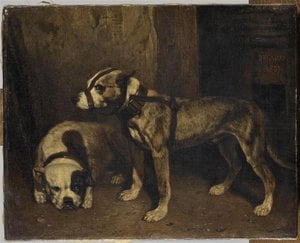
- CHIENS BRIFAUTS: Võluv orientalistlik stseen, mis kujutab koeri elavas keskkonnas.
- LA COUR DE FERME: Vapustav 19. sajandi maalikunstis, mis ühendab prantsuse romantismit ajaloolise detailiga.
- L’ÉCOLE TURQUE: Elav kujutus türgi koolist, mis tabab igapäevase elu energiat ja atmosfääri.
- PAYSAGE TURC: Rahulik maastik, mis uurib realismit ja romantismit prantsuse keskkonnas.



 Eelvaade
 Lülita trükkitoodetele
 Saada
Saada Jaga
Jaga
 Teave teose kohta

 Laadi alla
 Sarnased teosed
 Röntgenuuring
 Slaidietendus
 Statistika

 Loe lähemalt