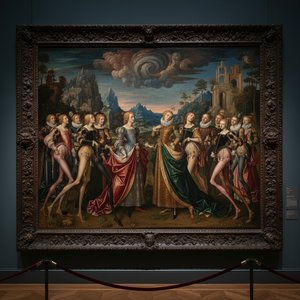
Albrecht Düreri Elu: Nürnbergist Renessanssi Täheni
Albrecht Dürer, kelle nimi on sünonüüm Saksamaa renessanssiga, sündis 1471. aastal Nürnbergis, kus valitses käsitöömeistrite ja innovatsiooni vaim. Tema isa, samuti Albrecht Dürer, oli Ungari päritolu kuldsepp, kes andis pojale stabiilse aluse ning tutvustas teda käsunduslike oskuste maailma. Noore Albrechtil oli aga selge kutsumus – ta ei soovinud järgida isa jalgu vaid pühenduda kunstile. Tema varajane talent ilmnes juba kolmeteistaastaselt, mil ta asus õppima Michael Wolgemuti juurde, tolleaegset Nürnbergi silmapaistvamat kunstnikku. Wolgemuti töökojas sai Dürer põhjaliku hariduse joonestamise, maalimisega ja eriti puulõike tehnikas. See oli ainulaadne võimalus õppida suurte projektide kallal, nagu näiteks *Nürnbergi kroonika*, mis pakkusid väärt kogemust kompositsiooni, disaini ja kujunduse osas. Varajane eneseportree, tehtud 1484. aastal, on juba tolleaegse noore mehe erakordse talendi tõestuseks – see annab aimu tema kasvavast kunstilisest identiteedist.
Itaalia mõju ja Kunstniku Täiandamine
Düreri ambitsioonid ulatuvad kaugemale Nürnbergi piiridest. 1494. aastal astus ta esimesele Itaalia reisimisele, mis oli rohkem kui pelgupäevareis – see oli palverännak renessanssi südamesse. Ta kohtas selliseid meistreid nagu Rafael, Giovanni Bellini ja Leonardo da Vinci, kes defineerisid uuesti vormi, perspektiivi ja inimväljenduse võimalusi. See kogemus mõjutas teda sügavalt. Dürer omandas klassikud motiivid, harmoonilised kompositsioonid ning peened sfumato efektid, mis iseloomustasid Itaalia kunsti, kuid ei kaotanud oma põhjamurde rahulikku täpsust ja sümbolismirikast sügavust. Teine reisi Itaaliasse aastatel 1505–1507 kinnistas neid mõjutusi veelgi, võimaldades tal uurida muistseid Rooma varemeid ning täiustada oma arusaama anatoomiast ja proportsioonidest. See põhjamurde täpsuse ja itaalia graatsia süntees sai Düreri ainulaadse kunstilise stiili tunnusmärgiks.
Meedia Meister: Maalimine, Graveerimine ja Puulõige
Dürer oli mitmete meediakanute meister, igaüks neist pakkus talle erinevaid võimalusi loova väljenduse jaoks. Tema õlimaalid, kuigi vähema arvu kui tema trükised, näitavad suurepärast valdkonnamastust ja võimet nii füüsikalise sarnasuse kui ka psühholoogilise sügavuse tabamiseks. Teosed nagu *Roosikülluse pidu* avaldavad elavat värvigammat, mis on mõjutatud Veneetsia värviksist. Kuid just graafika valdkonnas – eriti graveerimises ja puulõikes – Dürer tõeliselt revolutsioneeris kunstipraktikat. Ta tõstis neid tehnikaid pelgud reproduktsioonivahenditest iseseisvateks kunstivormideks, mis on võimelised edastama keerulisi narratiive ja sügavaid emotsioone. *Apokalipsise* sari (1498), neljateistkümne puulõike kogu, mis illustreerib Ilmutuse raamatut, näitas tema valitsemisoskust selle keskkonnas, hoolimata sellega kaasnevast piirangust. Hilisemad graveeringud nagu *Melanhoolia I* (1514) ja *Püha Peeteru Stuudiumis* (1514) on ülitähtsad tunnustused tema võrratust oskust – keerulised kompositsioonid, mis on täis sümbolilist tähendust ja mida teostatakse vapustava täpsusega. Ta ei kujutanud lihtsalt reaalsust; ta andis sellele intellektuaalse ja vaimse tähenduse kihtide.
Teoreetik ja Innovaator: Albrecht Düreri Pärand
Dürer polnud pelgupäevakunstnik, vaid ka teadlane, teoreetik ja innovaator, kes püüdis mõista kunstiloomise põhilisi printsippe. Ta uskus kunsti matemaatilistesse alustele ning pühendas end meetodi juurde tähelevaatava ja ratsionaalse analüüsi loomisele. Tema kirjutised geomeetria, proportsioonide ja inimese anatoomia kohta – eriti *Neli raamatut inimese proportsioonidest* (1528) – olid oma aja kohta murrangulised, näidates tema pühendumust rangetele vaatlustele ja ratsionaalsele analüüsile. Need kirjutused ei olnud pelgud akadeemilised harjutused; nad püüdsid tõsta kunstnike staatust lihtsatest käsitöölistest intellektuaalseteks praktikuteks. Düreri pärand ulatub kaugemale tema individuaalsetest teostest. Ta sillutas vahet põhjamurde traditsioonide ja itaalia renessansi ideaalide vahel, tuues klassikalisi motiive põhja-Euroopa kunstisse säilitades samas selle eripära. Tema teoreetilised panused aitasid luua uue raamistikku kunstipraktika jaoks, inspireerides põlvekunstnikke tema tehnilise oskusega, innovatiivse vaimuga ja sügava visiooniga.
Ta jääb tänapäevani lääne kunsti ajaloo üheks olulisemaks tegelaseks.
Mõjud ja Püsiv Toime
- Michael Wolgemut: Düreri esmane mentor, kes pakkus alustal edukas joonestamise, maalimisega ja puulõike tehnikas.
- Leonardo da Vinci: Inspiris Dürerit anatoomia, perspektiivi ja sfumato uurimisel – toonide peene segamisel.
- Rafael: Mõjutas Düreri kompositsioonilist harmooniat ja idealiseeritud vorme.
- Giovanni Bellini: Aitas Dürerit mõista värvi ja Veneetsia maalimisega traditsioone.
Düreri mõju kajab sajandite jooksul läbi kunstiajaloos. Tema täpne realism, tema innovatiivne printimise kasutamine ning tema teoreetilised kirjutused jätkuvad kunstnikele ja teadlastele inspiratsiooniks. Ta näitas, et kunst võib olla nii tehniliselt meisterlik kui ka intellektuaalselt põhjustatud – pärand, mis jätkab kunsti maastiku kujundamist tänapäevani.
Tema töö on tunnistus vaatluse võimsusest, teadmiste otsimisest ja lõputust inimlikust soovist luua ilu ja tähendust.



 Eelvaade
 Switch to Print
 Saada
Saada Jaga
Jaga
 Teave teose kohta

 Laadi alla
 Sarnased teosed
 Röntgenuuring
 Slaidietendus
 Stats
Stats


 Loe lähemalt






































 Klaasivalik on saadaval ainult suuruses kuni 110 cm