


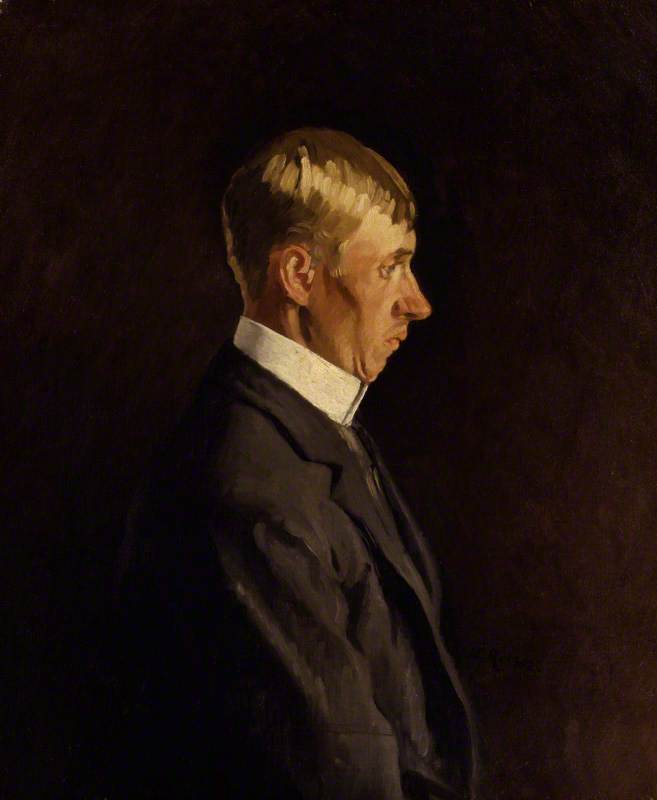
 1902
1902 43.0 x 35.0 cm
Ostke kõrglahutusel ja täiustatud digitaalne pilt, mis on oluliselt parem kui veebilehel näidatud eelvaade.
Iga fail on meie spetsialistide poolt hoolikalt ette valmistatud, kasutades kaasaegseid tööriistu ja professionaalset käsitsi retušeerimist. Tagame, et igal pildil on erakordne selgus, täpne värvitäpsus ja peen detail.
Lõplik fail saadetakse e-posti teel 72 tunni jooksul, olles optimeeritud koheseks kasutamiseks professionaalsetes, toimetuslikes ja trüki keskkondades. See on sama kvaliteet, mida usaldavad tipptasemel disainistuudiod, kirjastused ja galeriid.
Laadi alla kõrge resolutsiooniga fail isiklikuks vaatamiseks, trükkimiseks ja loomingulisteks projektideks. ( Osta print Osta käsitsi maalitud maal)
Valides WahooArt.com, ei saa sa lihtsalt pilti – saad professionaalselt parandatud digitaalse teose, mida on valmistatud täpsusega ja mis on toetatud rahuldamatusgarantiiga. Siin on kõik, mis sinu tellimusega automaatselt kaasneb:

Teie kõrge resolutsiooniga digitaalne pildifail saadetakse teile e-posti 72 tunni jooksul pärast tellimist – kohe kasutamiseks valmis.

Teie teos on professionaalselt optimeeritud arenenud tehisintellekti tööriistade ja käsitsi redigeerimise abil, tagades maksimaalse detailitaseme, selguse ja värvitäpsuse.

Kas kustutasid faili kogukalu unustamisel või kustutamisel? Puudub mure – saad selle uuesti igal ajal ilma lisatasuta.

Nautige oma teoseid koheselt ilma tolli-, maksude või tarnimaskuludeta – digiletchargused on alati maksuvabadud.

Me tagame, et teie digitaalne pilt kajastaks originaali värve professionaalsete tööriistade ja värvihalduse abil võimalikult täpselt.

Kui te ei ole oma digitaalse pildi eest rahul, siis me parandame seda või tagastame 100% summast 100 päeva jooksul – küsimusteta.

Ei ole rahul? Saate täielise tagastaja 100 päeva jooksul pärast digitaalse faili kättesaamist – ilma küsimusteta.

Osta 3 pilti, säästa 10% - Osta 5, säästa 15% - Osta 10+, säästa 20%. Sobib suurepäraselt loomingulisteks projektideks, galeriideks ja agentuurideks.

In the vibrant tapestry of early twentieth-century British art, few figures possessed the multifaceted brilliance of Albert Rutherston. Born in 1881 to a German Jewish family in Bradford, Yorkshire, Rutherston’s life was shaped by a profound intersection of tradition and transformation. The son of immigrants who settled in England's textile heartland, his upbringing was steeped in the industrious spirit of the wool trade, yet his soul was irrevocably drawn toward the ethereal realms of aesthetics and design. Alongside his brothers—the esteemed painter Sir William Rothenstein and the art collector Charles Rutherston—Albert became part of a formidable artistic dynasty that would influence the British cultural landscape for decades.
His formal education at the Slade School of Art provided him with a rigorous foundation in realism, a period during which he mastered the delicate nuances of form and light. However, the rigid boundaries of representational art could not long contain his creative impulses. Around 1910, Ruther and his artistic contemporaries began to feel the pull of a new, more rhythmic aesthetic. This marked a pivotal transition in his career as he moved away from the literal toward the decorative. Embracing the burgeoning Art Deco movement, Rutherston began to experiment with bold color palettes, intricate patterns, and a streamlined elegance that would become his hallmark.
Rutherston’s genius lay in his ability to transcend the canvas, treating every medium as an opportunity for storytelling. He was not merely a painter but a true designer of worlds. His work in theatrical design remains some of his most enduring legacy; through his collaborations with the legendary Harley Granville Barker, he breathed life into the stage with opulent sets that captured the dramatic grandeur of the era. He understood that the theater was a total work of art, where scenery, light, and movement converged to create a singular emotional experience.
This mastery of space and ornament extended far beyond the footlights. Rutherston’s versatility allowed him to leave an indelible mark on various facets of visual culture:
As the decades progressed, Rutherston’s influence deepened through his roles as an educator and critic. Holding the prestigious post of Ruskin Master of Drawing at Oxford from 1929 to 1948, he played a vital role in shaping the next generation of British artists, instilling in them the same respect for craftsmanship and observation that had guided his own journey. His ability to navigate the shift from the Victorian era into the modern age allowed him to act as a bridge between the old world of meticulous detail and the new world of graphic abstraction.
Though he passed away in 1953, Rutherston’s significance remains etched in the history of the decorative arts. He was an artist who refused to be confined by a single discipline, finding beauty whether in the sweeping landscapes of a painting, the structured lines of a poster, or the dramatic shadows of a stage set. His life stands as a testament to the power of artistic evolution—a journey from the grounded reality of Bradford to the limitless possibilities of the imagination.

1881 - 1953

 Eelvaade
 Saada
Saada Jaga
Jaga
 Teave teose kohta

 Laadi alla
 Sarnased teosed
 Röntgenuuring
 Slaidietendus
 Loe lähemalt


